


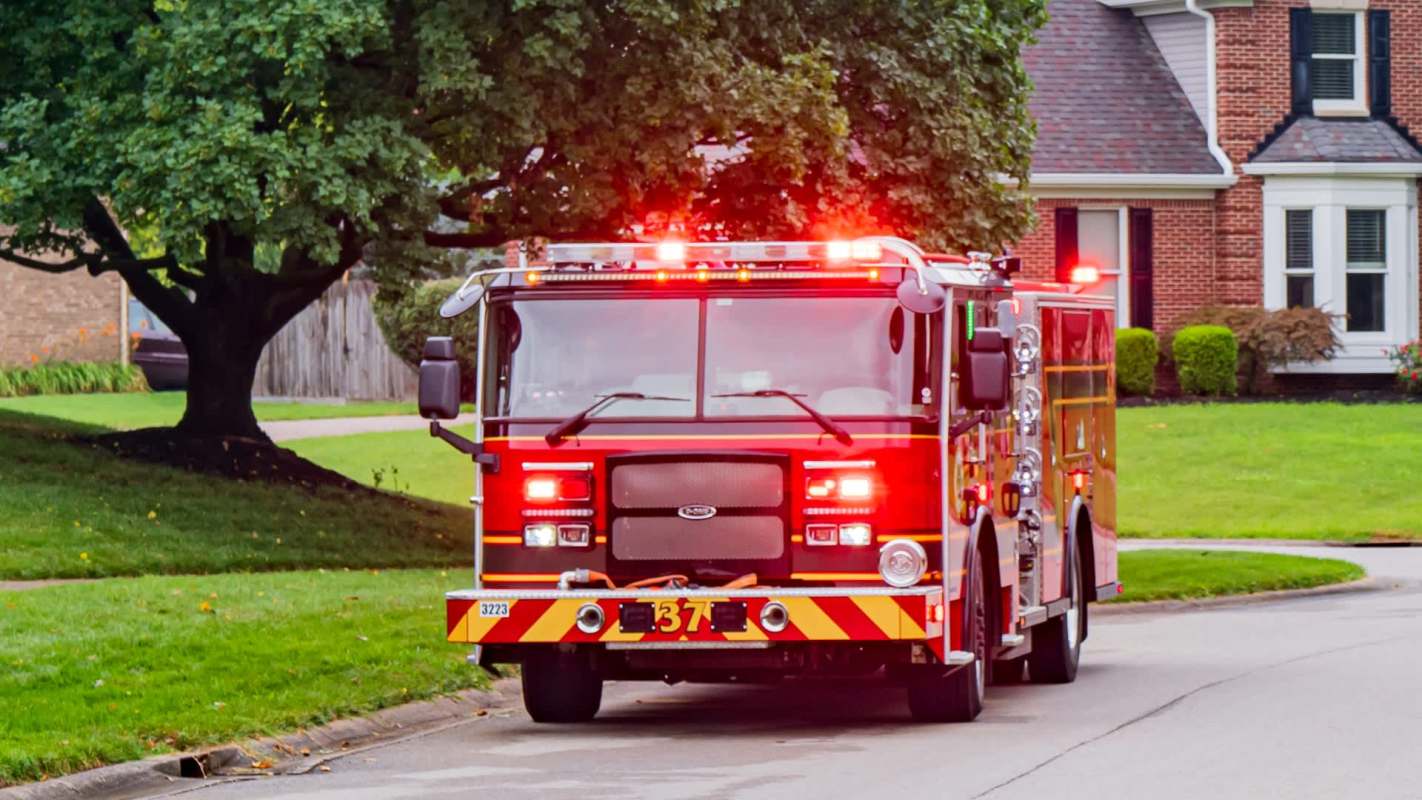
One fire department in the Midwest warned citizens about the dangers of using gas-powered appliances indoors.
What's happening?
The Kansas City Fire Department advised residents about the potentially deadly consequences of using power generators — which are often fueled by gas — inside homes.
"They produce significant amounts of carbon monoxide and can quickly fill up the house with deadly levels of carbon monoxide," public information officer Michael Hopkins told KCTV5 News.
He added that even when homeowners place generators outside, they should make sure to do so downwind from doors and windows. "The draft can actually still pull the carbon monoxide in," he said.
The station also advised against using a gas stove to heat a home during cold weather.
Why is this announcement important?
Carbon monoxide is an invisible and odorless gas that is known as the "silent killer." The Centers for Disease Control and Prevention estimates that carbon monoxide poisoning kills more than 400 Americans each year. Many others are admitted to emergency departments and hospitals after exposure.
As Hopkins mentioned, gas-powered generators are still a threat when placed outside. In fact, one federal investigation found that carbon monoxide from these devices entered 105 Louisiana homes following Hurricane Ida in 2021. That's why the Consumer Product Safety Commission recommends that generators be placed 25 feet away from abodes.
What's being done about carbon monoxide?
One easy way to avoid the dangers of gas-powered generators is to combine solar energy with battery storage. This clean alternative can keep your home running through power outages while also cutting energy costs. According to Stanford University, about 60% of American families could reduce their electricity costs by an average of 15% by installing a solar-battery system. Plus, a solar-battery setup can also reduce reliance on increasingly unreliable power grids.
Save $10,000 on solar panels without even sharing your phone number Want to go solar but not sure who to trust? EnergySage has your back with free and transparent quotes from fully vetted providers in your area. To get started, just answer a few questions about your home — no phone number required. Within a day or two, EnergySage will email you the best options for your needs, and their expert advisers can help you compare quotes and pick a winner. Solar panels can save you more than $50k over their 25-year lifespan, and EnergySage can help you save as much as $10k on installation. Which begs the question — isn't that worth an email or two? |

EnergySage has free tools to help you learn more about home battery storage options and gather competitive installation estimates. The company has also teamed up with the electrification company Qmerit to make sure homeowners get the best prices.
Pila is another company that offers battery backup options, including plug-and-play batteries that cost much less than whole-home backup systems.
|
Which of these savings plans for rooftop solar panels would be most appealing for you?
Click your choice to see results and earn rewards to spend on home upgrades. |
 Save $1,000 this year 💸
Get TCD's free newsletters for easy tips to save more, waste less, and make smarter choices — and earn up to $5,000 toward clean upgrades in TCD's exclusive Rewards Club.
Cool Picks






