


Yardwork is an eternal chore for suburban and rural folks, made worse by being the most externally visible household task.
Laundry can be concealed, and doors to messy rooms can be closed to keep unexpected visitors out, but overgrown grass is highly visible and often mortifying.
Especially if a neighbor stumbles upon unflattering aerial photographs of your mismanaged yard and bypasses r/landscaping and r/gardening to share them on Reddit's r/funny.
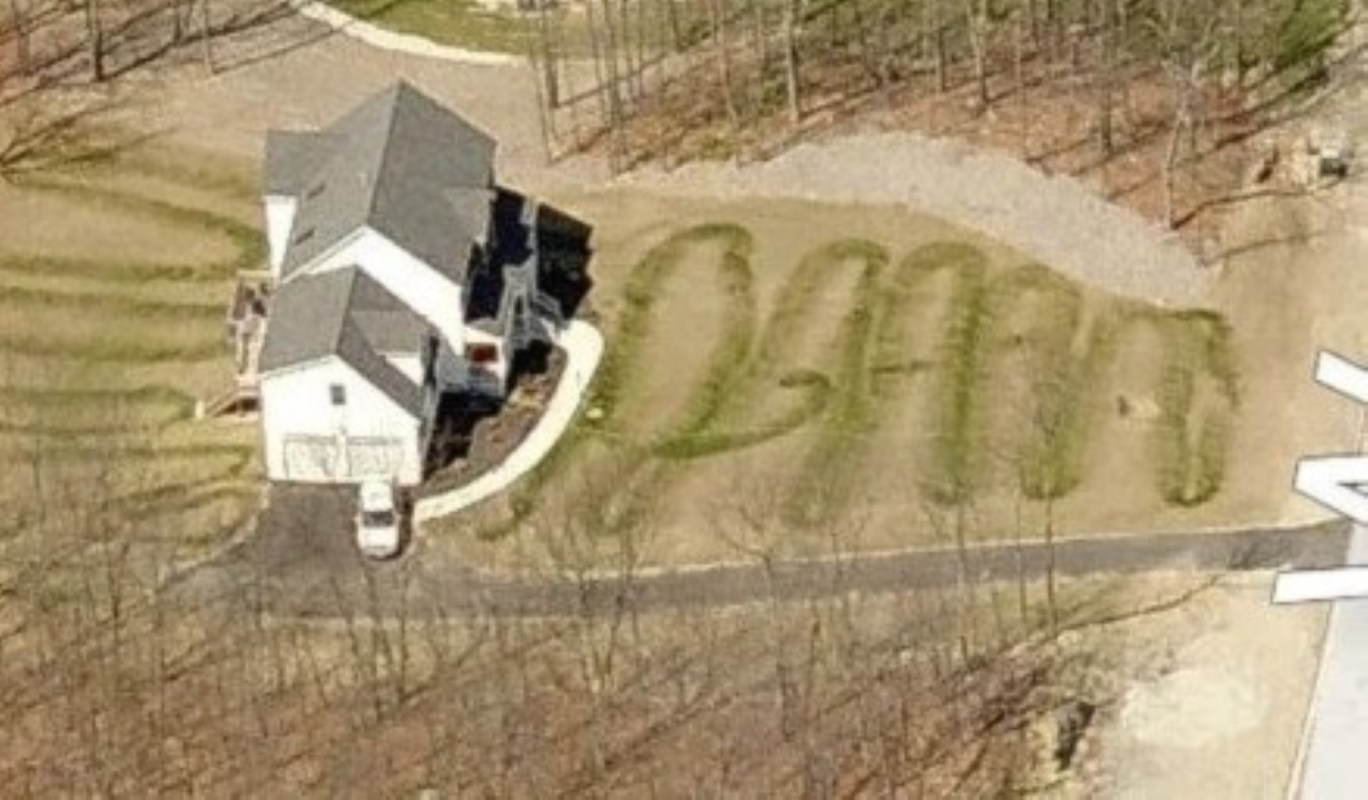
"My neighbor decided to fertilize his lawn," the title read.
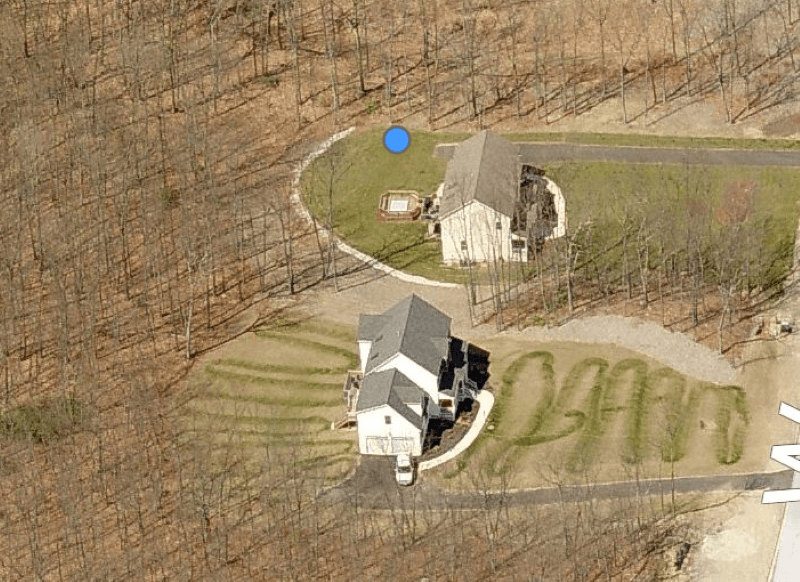
Three attached images, which the poster attributed to Bing Maps, inadvertently illustrated the many pitfalls of monoculture lawns.
Two homes were visible, one with unremarkable turf. The second house, however, had far paler land, with clear stripes of green traversing the yard, front and back.
According to the original poster, their neighbor used a "broadcast spreader" to fertilize, but failed to properly space the passes. It was immediately obvious that the unfortunate outcome resulted from a misguided attempt to save time.
Lawn care referral service GreenPal polled users about the time they devote to lawn maintenance — 23% estimated they spent two to three hours each week (4-6.5 days a year) babying their lawns, while nearly 8% spent over five hours a week (10.8 days a year) on yardwork.
According to the Ecological Landscape Alliance, around 2% of the United States is turfgrass, "native to Europe" and wholly unsuited to local climates. The issue is particularly acute in New England, where the pictures were taken.
In short, these problems stem from the fact that one-size-fits-all grasses require constant "life support" to grow. On the other hand, natural lawns use plants native to the region, and need far less money and time to thrive.
TCD Picks » Quince Spotlight
💡These best-sellers from Quince deliver affordable, sustainable luxury for all




|
What's the hardest thing about taking care of your yard? Click your choice to see results and speak your mind. |
 Mowing the lawn 🏡
 Rewilding is another time and money-saving alternative, even if only done in part. Native plants aren't just easier and cheaper to maintain; they also bolster local ecosystems by providing crucial support to the pollinators that uphold the global food supply.
One commenter asserted that lawns protect the land from floods and high winds, prompting a response that highlighted turf's visible weaknesses.
"[A] monoculture lawn isn't very good at those tasks, as demonstrated by the input they need … to get something growing," another user observed.
Others agreed.
"Not gonna hate. I tried fertilizing my lawn and wound up with some nice dead spots cause I didn't have a spreader and thought I could do it by hand," one confessed.
"At least he knows the stuff works," a third joked.

💰Get TCD's free newsletters for easy tips to save more, waste less, and make smarter choices — and earn up to $5,000 toward clean upgrades in TCD's exclusive Rewards Club.
Cool Picks






