


Many home gardeners treat August like the finish line, easing off just as their growing beds could be setting up for another productive stretch.
Here's what to know
In a video on YouTube, kitchen-gardening creator Gardenary (@Gardenary) argues that fall can be the simplest and most satisfying time to keep planting and that stopping too soon may mean forgoing additional months of homegrown produce.
The video's case for fall gardening rests on five advantages: cooler conditions, soil that is still warm from summer, reduced pest pressure, less demanding upkeep, and crops that grow quickly while fitting easily into limited space.
As the creator put it, "If you think that summer is the only season that you can garden, you are missing out because there's another season that's easier, more productive, and dare I say more fun."
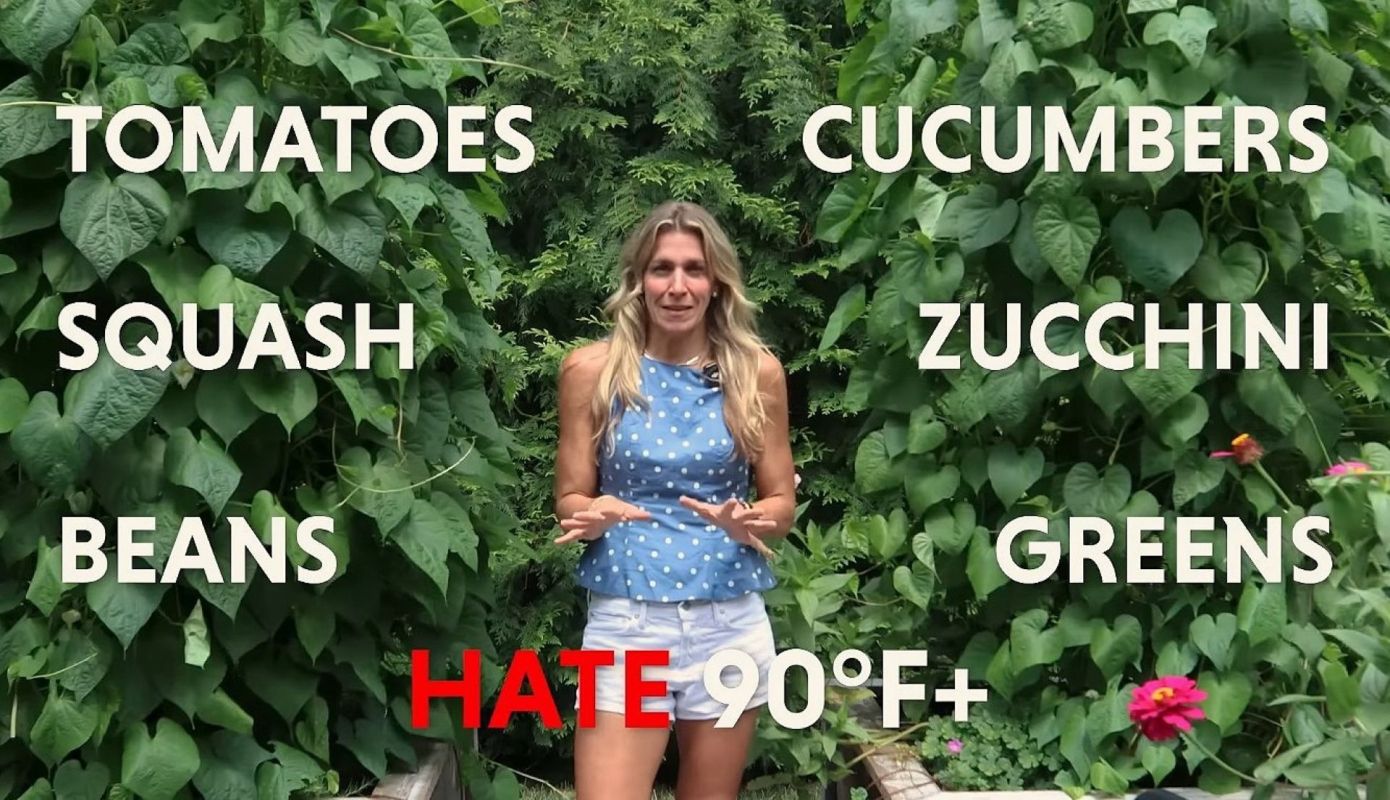
A prolonged stretch above 90 degrees Fahrenheit can be tough on many familiar vegetables, particularly when nighttime temperatures stay above 70 degrees. When fall brings milder conditions, those plants may grow better and keep producing.
Warm ground is another late-season plus. Because fall sowings go into soil that has retained summer heat, they can get going faster than spring seeds that are often slowed by cold earth.
TCD Picks » Quince Spotlight
💡These best-sellers from Quince deliver affordable, sustainable luxury for all




Commenters echoed both the enthusiasm and the regional differences.
One wrote, "When you watch an ember flutter up from the fire, it slowly burns cooler and at the end there is a 'flash' of light before the ember is no more. THAT moment is the time of the season you are describing."
Another added, "I just planted another round of summer vegetables. We have temperatures over 90 degrees for another three months, here in Arizona."
More background
After weeks of intense heat, insect pressure, and frequent watering, many gardeners are ready to call it a season.
The video's main point is that this late-stage stretch can actually be easier to handle and more productive than people expect.
When a fall planting works out, it can keep an already-used garden bed productive and extend the supply of fresh produce.
Spinach, arugula, radishes, carrots, and sugar snap peas were among the crops highlighted as especially attractive options because they can mature quickly.
Lower temperatures can also make the work feel more manageable, since planting, watering, and harvesting are often easier to tackle outside of peak summer heat.
The creator also emphasized that many fall crops stay relatively compact and are simple to care for, which can make them useful for gardeners with smaller yards, raised beds, or container gardens.
What can be done?
For gardeners trying to keep the season going, the weather is a better guide than the calendar. A run of days in the 70s or 80s, along with cooling nights, can be a sign that it is time to sow cool-season crops.
Another approach is to use fall vegetables in spots opened up by spent summer plants. According to the video, filling those gaps can help suppress weeds while still allowing food to be grown.
For more ideas on growing your own food, starting with quick, dependable cool-weather crops can be a helpful first move.
In especially hot regions, that planting window may arrive later. But for many gardeners, there is still time left in the season.
As the creator summed it up: "The things that we grow when the temperatures come down, when you're in going into the cool season, you have plants that number one, they grow faster."

Get TCD's free newsletters for easy tips, smart advice, and a chance to earn $5,000 toward home upgrades. To see more stories like this one, change your Google preferences here.






