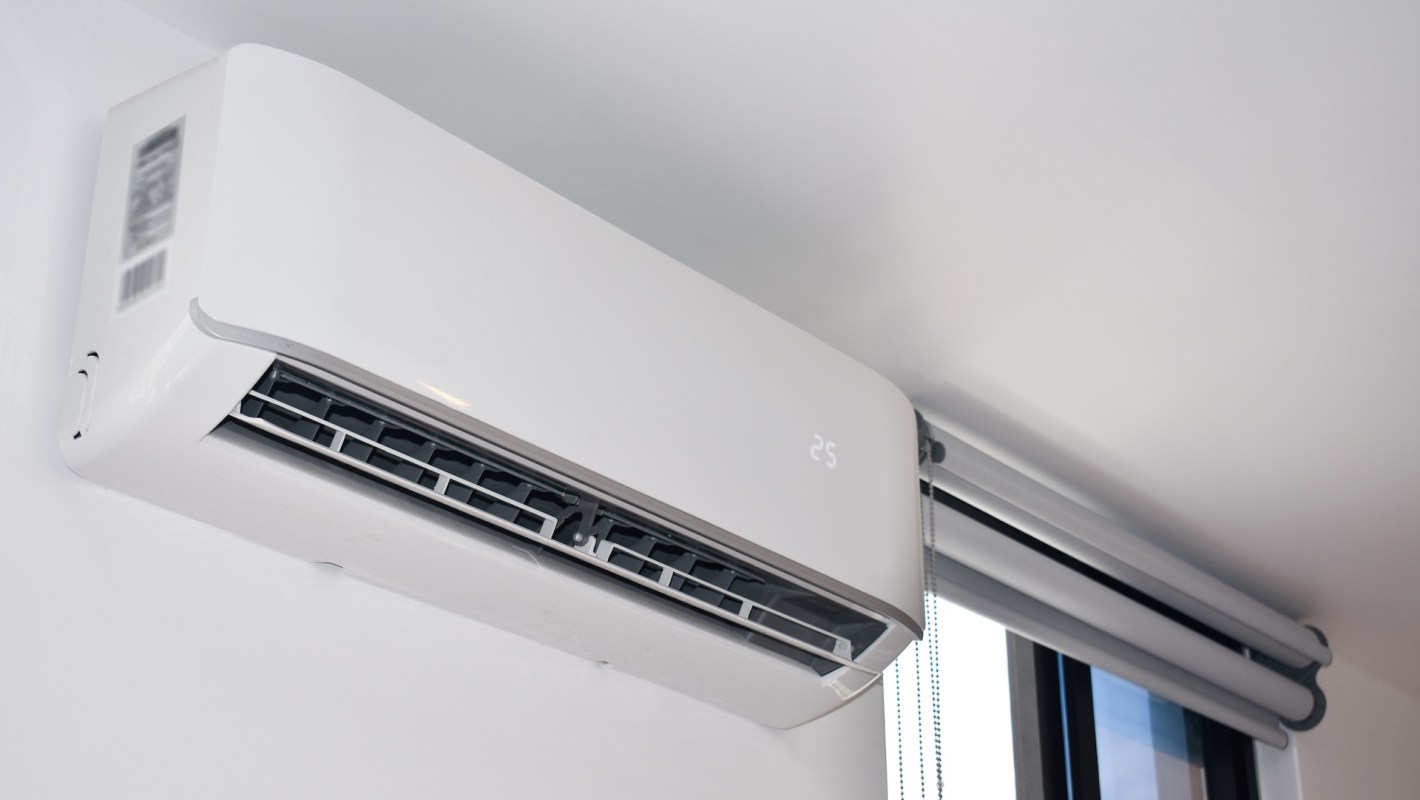
For homeowners in colder parts of New England, ductless mini-splits are no longer just a cooling upgrade for the warmer months.
What's happening?
In one online discussion on Reddit, several people living through freezing winter temperatures said their systems kept them comfortable.
A New England homeowner seeking advice described a 1,450-square-foot house with 2x6 insulated walls and double-pane windows, then captured a concern many shoppers share: "My biggest priority is keeping the house comfy without having the backup heat running all the time if possible."
The question appeared in Reddit's heat pump forum and prompted replies from people in similarly cold climates.
After replacing a flawed forced-air system, a commenter in New Jersey said their ductless setup has delivered "every room has perfect climate control year round." They also said they have gone three years without needing any secondary heat.
"We don't have a backup heat source and never needed one in the 3 years since it was installed," the commenter wrote.
TCD Picks » Quince Spotlight
💡These best-sellers from Quince deliver affordable, sustainable luxury for all




One response from eastern Massachusetts was less enthusiastic. The homeowner said contractors had warned that a Mitsubishi HyperHeat system probably would not lower heating costs versus oil and baseboard heat because electricity is expensive in Massachusetts. In practice, they wound up using oil for heat and preferred the mini-split for cooling.
Why does it matter?
The answers seem to depend heavily on the home, local utility rates, and the installer.
The New Jersey homeowner said, "Our air conditioning cost was cut in half and heating is efficient as well."
Cost was not the only theme in the discussion. Zoned mini-splits can provide room-by-room control, which may help address hot-and-cold spots often caused by aging ductwork. One homeowner with ducts in the attic said their heat pump "kept us toasty last season without any issues."
Heating is often the biggest energy use in a cold-climate home, and the system a household chooses can shape monthly bills, comfort, and reliance on fossil fuels.
What can I do?
If you're considering a ductless mini-split in a cold climate, the thread suggests starting with the house itself rather than the equipment brochure. Insulation, air sealing, and window quality can all affect performance. One of the happiest commenters said they had "seal[ed] the attic and maxed out insulation."
It is also worth getting multiple quotes and asking specifically about cold-climate performance, not just cooling efficiency. A contractor should be able to explain how the system will perform in weather below 10°F, whether backup heat is recommended, and how local electricity prices compare with your current fuel costs.
Mini-splits can absolutely work in cold climates, but savings and satisfaction are not one-size-fits-all.

Get TCD's free newsletters for easy tips, smart advice, and a chance to earn $5,000 toward home upgrades. To see more stories like this one, change your Google preferences here.