


Dry stream beds are not only an attractive feature for a DIY native plant backyard, but they are also incredibly functional for controlling drainage.
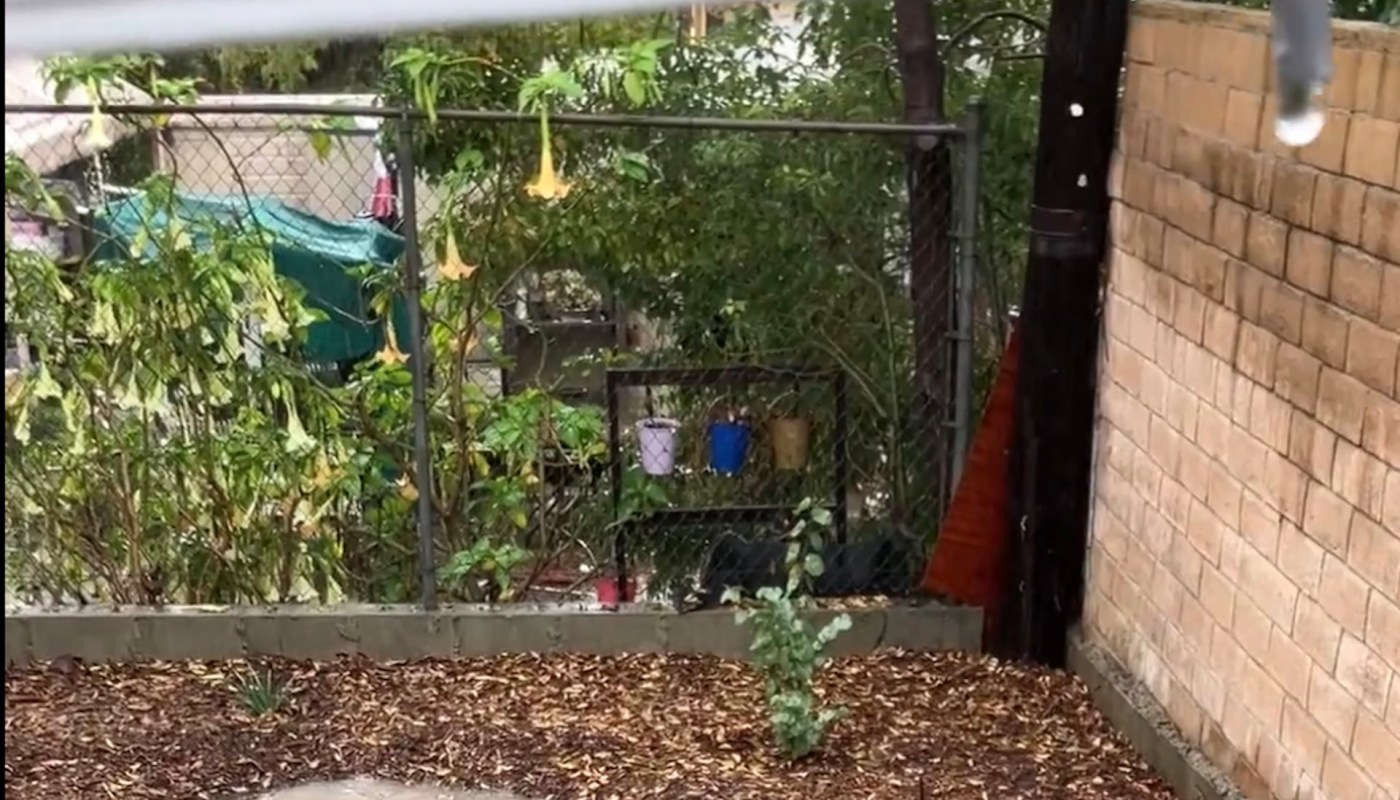
Unfortunately, one Redditor shared in the r/Ceanothus subreddit that a storm hit before she finished her project.
"As I've previously mentioned, my garden progress is very slow… meaning I didn't get all the river rock into the dry stream before the weekend's storm started… oh well," the OP posted.
(Click here to watch the video if the embed does not appear.)
The attached video shows the dry stream bed overfilled with water and directing excess water towards another part of her garden.
Dry stream beds are mostly used to direct water flow, but they are also a great way to add texture and natural borders between your garden's sections. They are very easy to maintain, require little effort to install, and are inexpensive to create.
The ideal border plantings for dry stream beds are native plants as they can provide both shelter and food for local wildlife. Depending on your area, native plants can attract an array of creatures from birds and pollinators to bunnies and frogs.
Many pollinators, such as the monarch butterfly and many bumblebees, are experiencing declining populations due to a lack of habitats available, according to Pollinator.org, which makes every additional habitat in an urban area much-needed.
Native plant lawns make a wonderful upgrade to a home as they require less time, energy, resources, and money to maintain. For those looking into upgrading to a natural lawn or rewilding their yard, they can consider options such as clover, buffalo grass, and xeriscaping.
The other Redditors were very supportive in the comments.
TCD Picks » Quince Spotlight
💡These best-sellers from Quince deliver affordable, sustainable luxury for all




|
If you were to switch from a grass lawn to a more natural option, which of these factors would be your primary motivation?
Click your choice to see results and speak your mind. |
 Making it look better 🌱
 "Looks fantastic! Congrats!" one commented.
Another left valuable advice for the OP: "Just an FYI for people planning water harvesting features, you should always install an overflow when doing this to plan for extreme rain events. Without an overflow, the water will decide itself where it wants to go in the case of too much water, which could damage your landscape or worse buildings."

Get TCD's free newsletters for easy tips to save more, waste less, and make smarter choices — and earn up to $5,000 toward clean upgrades in TCD's exclusive Rewards Club.
Cool Picks






