


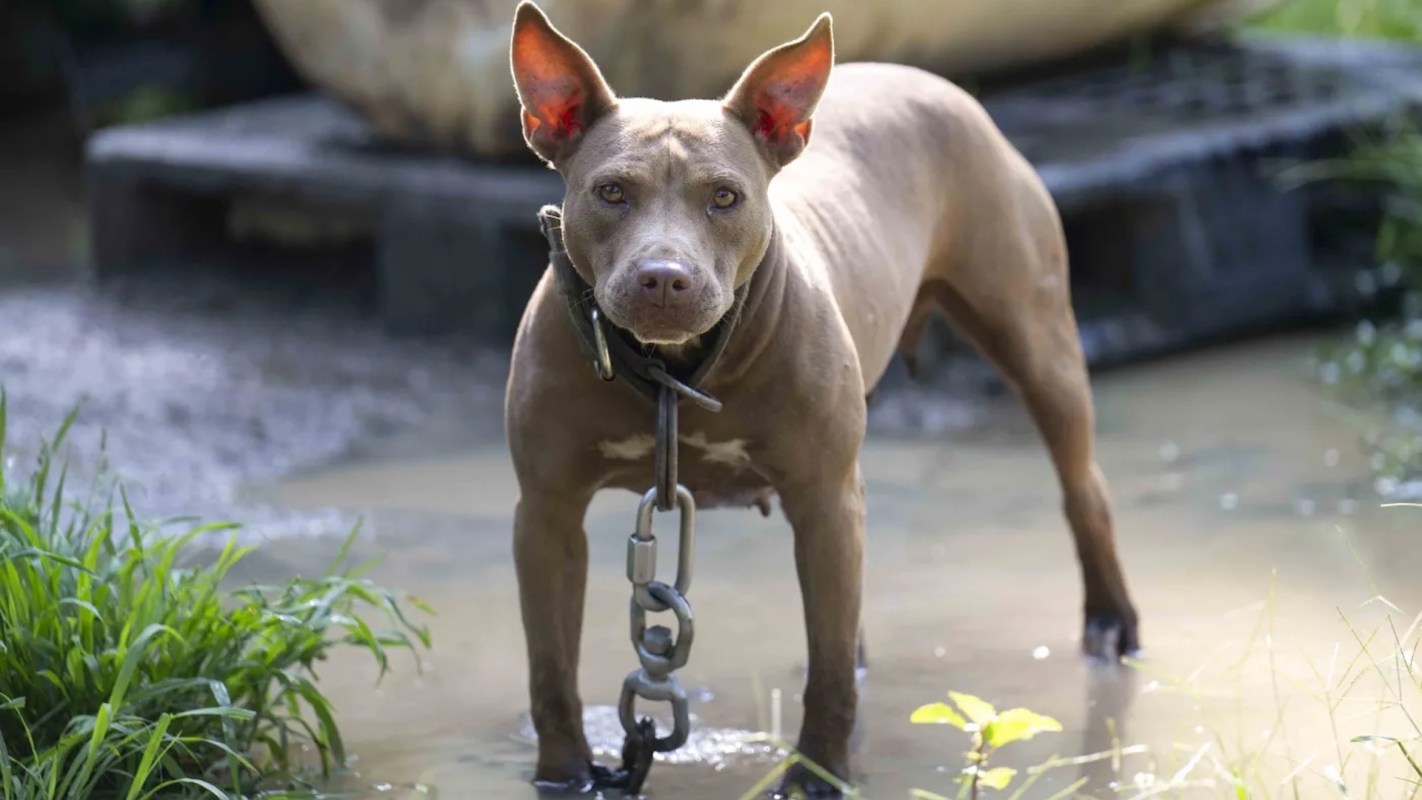
More than 40 dogs and puppies were rescued from a Berkeley County, South Carolina, property where investigators suspect a dogfighting operation may have been active.
Animal welfare officials said many of the animals were found chained up and standing in filthy, stagnant water. The rescue represents a growing challenge for shelters, as housing dozens of additional animals during a criminal investigation can put major strain on already limited resources.
Here's what to know
On Aug. 11, according to WCIV, deputies with the Berkeley County Sheriff's Office carried out a search-and-seizure warrant near Cordesville alongside the Humane World for Animals and the Charleston Animal Society.
Responders said the scene had several features often associated with suspected dogfighting activity, and a criminal investigation is now underway.
Responders encountered the 42 dogs chained in foul conditions, said Aldwin Roman, whom ABC4 identified as the Charleston Animal Society's senior vice president and chief operating officer. He told the outlet that, "Many of them were on chains, living in pools of water, that just looked filthy. You could tell from their paws they had just been sitting in that for quite a while."
ABC4 reported that this was the fourth recent animal cruelty case uncovered in the Lowcountry, after cases in Georgetown, Charleston, and Mount Pleasant.
TCD Picks » Quince Spotlight
💡These best-sellers from Quince deliver affordable, sustainable luxury for all




More background
Under South Carolina law, dogfighting is a felony that can carry a prison term of up to five years. ABC4 reported that such cases are often tied to other serious crimes, including illegal drugs, gambling, and weapons offenses.
Yet, finding room for the rescued animals is one of the most immediate problems. With the Berkeley County investigation still active, the dogs have to remain in custody as evidence until a court decides who will ultimately receive them.
Roman told ABC4 that this requirement creates a significant strain for the shelter, saying, "Until a court decides that custody of those animals is awarded to somebody else, we have to hold them. They are evidence. So, we are providing them all of the care that we can, just like any other animal. But it does put a strain on our resources."

Get TCD's free newsletters for easy tips, smart advice, and a chance to earn $5,000 toward home upgrades. To see more stories like this one, change your Google preferences here.






