


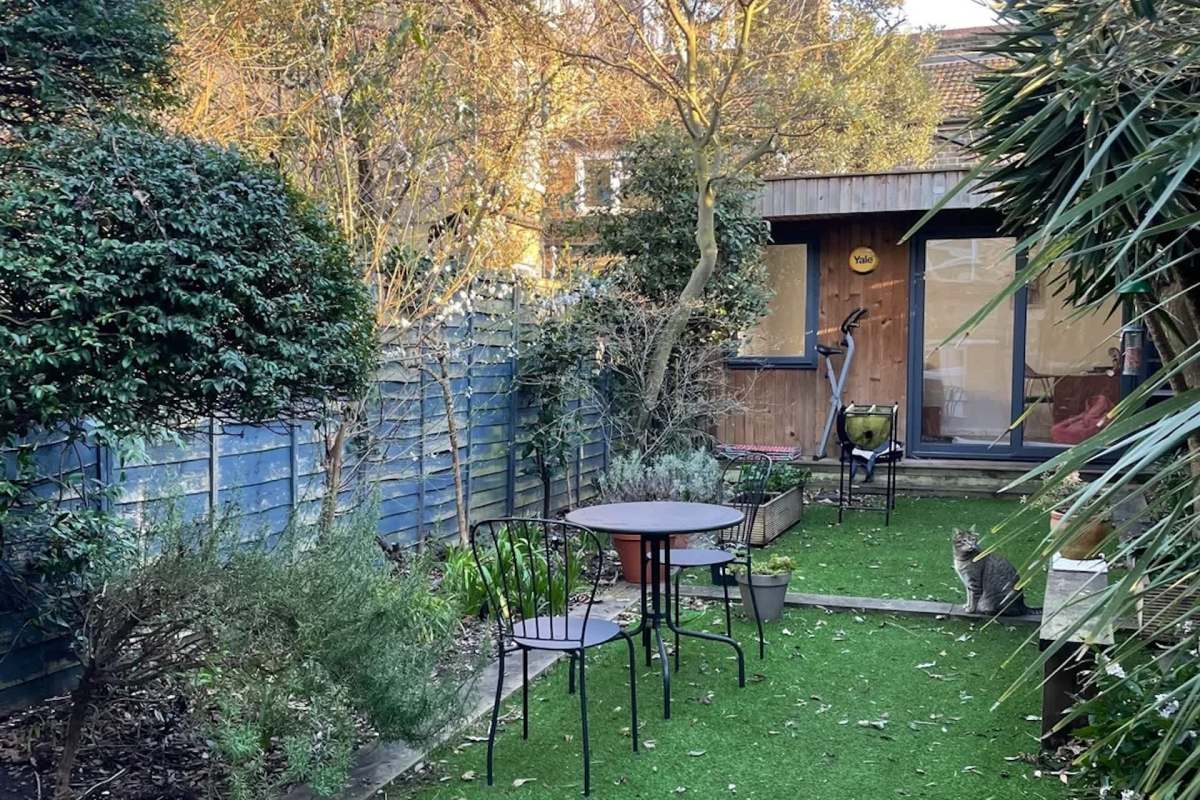
One homeowner put in the work to reverse the damage done to their garden by artificial grass turf laid down by previous owners.
They documented before and after pictures of their lawn-rescue effort and shared them to the r/GardeningUK subreddit.
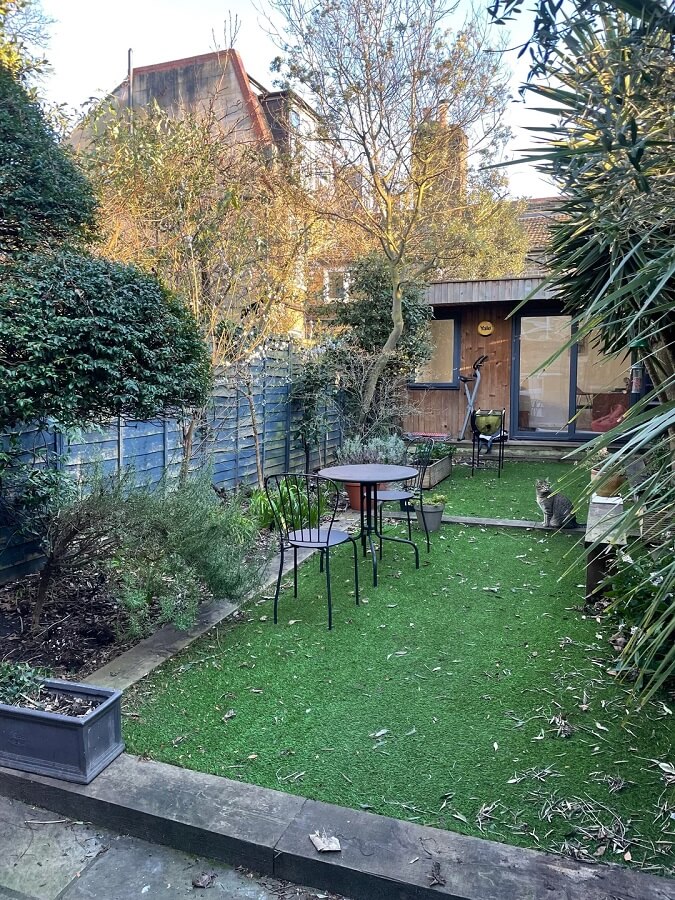

"No more astroturf," the original poster wrote. "It was quite a job to turn over the compacted clay and sand that was underneath but we have a couple of ferns and other bits growing in that area now as well as a mini clover lawn!"
The OP's photos show a previously turfed lawn area that has been transformed into a more natural woodland scene. The "after" picture shows small patches of green and wood-chipped or mulched areas.
"Oooooh love a good de-astroturfing, well done," one commenter complimented.
Artificial turf is an aesthetic choice, offering no real benefits to the environment it is added to.
Perk up the winter blues with natural, hemp-derived gummies Camino's hemp-derived gummies naturally support balance and recovery without disrupting your routine, so you can enjoy reliable, consistent dosing without guesswork or habit-forming ingredients. Flavors like sparkling pear for social events and tropical-burst for recovery deliver a sophisticated, elevated taste experience — and orchard peach for balance offers everyday support for managing stress while staying clear-headed and elevated.
Learn more → |

In fact, artificial turf is harmful for the environment in part because the plastic material it is made from can break down into microplastics.
Deterioration of plastics can also increase human exposure to harmful chemicals and gases, accelerated by plastic exposure to the sun, elevating the dangers to human health, Newsweek and other sources revealed.
Though artificial turf may seem like a low-maintenance option to maintain the aesthetic of a green lawn, it still needs maintenance; it requires sweeping or vacuuming instead of mowing.
Artificial turf also blocks water, sunlight, and nutrients from entering the soil layers below, which has a negative impact on soil quality and the ecosystem. As seen in the OP's case, the soil hardens and becomes compacted, making plant growth difficult.
TCD Picks » Upway Spotlight
💡Upway makes it easy to find discounts of up to 60% on premium e-bike brands





|
What is the biggest reason you don't grow food at home? Click your choice to see results and speak your mind. |
 Not enough time ⏳
 Without real plants to help absorb solar radiation and cool the air, artificial turf can trap heat, contributing to the "urban heat island effect" in communities and rising global temperatures.
Artificial turf costs around $5,000 to install on average, according to Angi — and it requires costly replacement as the materials deteriorate.
Alternative lawn replacement options that are lower-maintenance, inexpensive, and better for the environment are buffalo grass and clover — the latter of which the OP has started to grow. These lawn options still keep your lawn green without demanding excess time, money, and energy for water and upkeep.
Native lawns are great replacement options for homeowners looking to cut back on lawn maintenance and water bills. Native plants support local wildlife and attract pollinators, which ultimately protect the human food supply.
"Beautiful … The devil's carpet should be illegal imo," one commenter said.
"So much better," another user wrote.
"The insects will thank you! The birds and hedgehogs will thank you! The soil will thank you!" a third commenter said.

Join our free newsletter for easy tips to save more and waste less, and don't miss this cool list of easy ways to help yourself while helping the planet.
Cool Picks






