


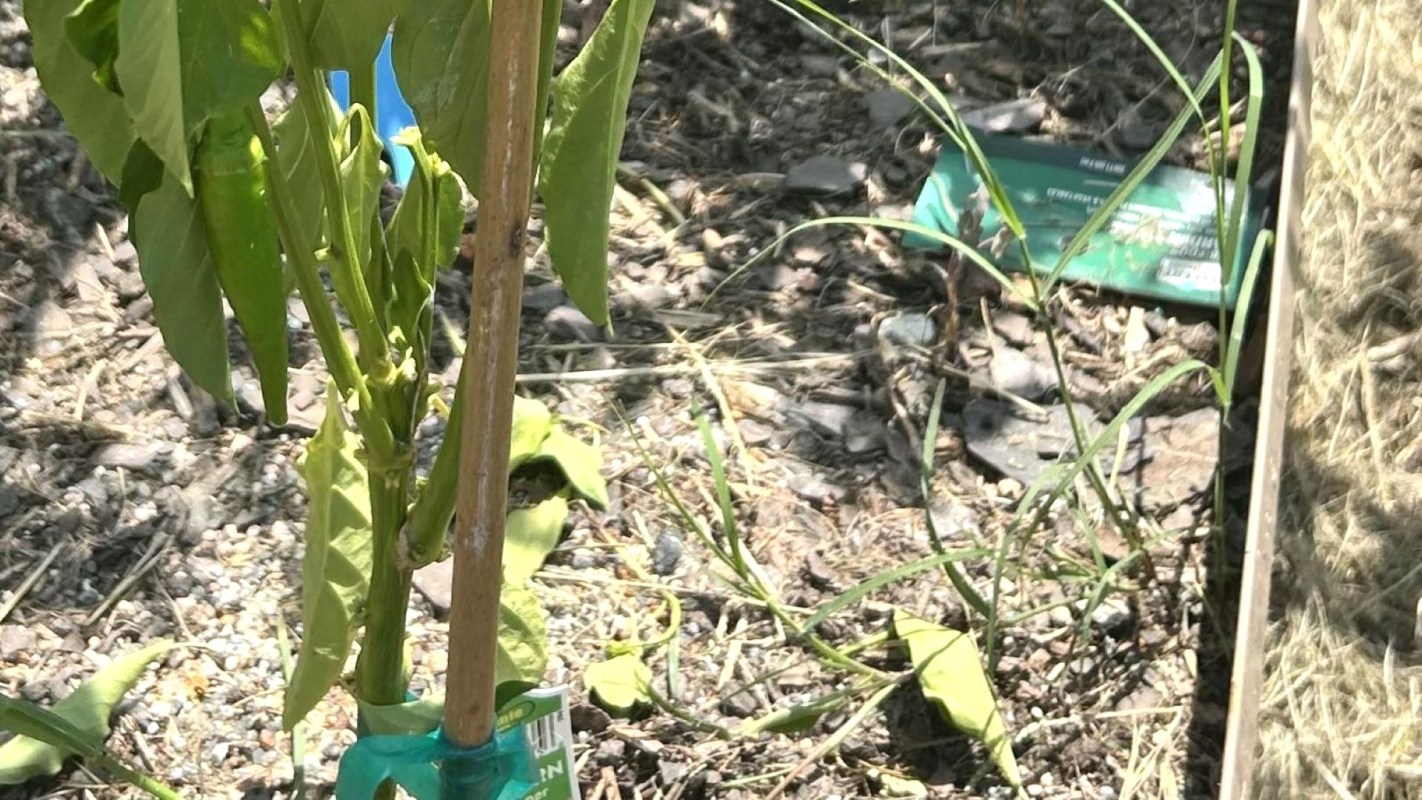
During a stretch of punishing temperatures in Georgia, one gardener watched their pepper plant sag so badly it seemed like it might be done for.
What happened?
The gardener shared the drooping cowhorn hot pepper plant during a heat wave on Reddit and asked whether it could recover.
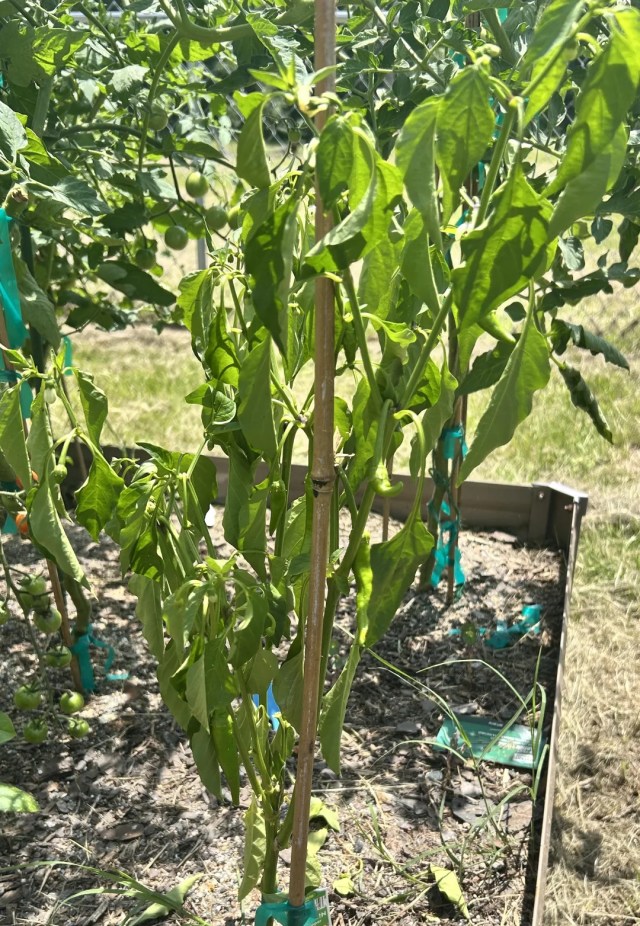
In response, other users said peppers can look alarmingly limp in extreme temperatures and still bounce back, since this kind of midday collapse is often tied to the plant trying to conserve moisture and get through the most stressful part of the day.
Across the comments, the practical advice was mostly the same, recommending watering deeply in the morning, keeping heavy mulch around the base to retain water, and using shade to take the edge off intense afternoon sun.
One suggestion did not go over well. A commenter told the original poster to "remove the mulch," but others called that risky in extreme heat, warning that bare soil can dry out faster and put even more stress on a struggling plant.
Why does it matter?
Heat waves can make even experienced growers second-guess what they are seeing, especially when a plant that looked healthy in the morning suddenly appears limp and lifeless by afternoon.
TCD Picks » Quince Spotlight
💡These best-sellers from Quince deliver affordable, sustainable luxury for all




That kind of panic can lead to overwatering, unnecessary pruning, or other moves that create more problems than they solve. Knowing the difference between temporary heat stress and a truly dying plant can save a harvest and prevent water waste.
Even "heat-loving" crops have limits. Peppers generally tolerate warm conditions better than some vegetables, but sustained high temperatures, hot roots, and dry soil can still overwhelm them.
What can I do?
If your pepper plants are drooping in extreme heat, start by checking conditions instead of assuming the worst. Look at the soil, water deeply early in the day, and leave mulch in place to protect roots and hold moisture. If the plant recovers after sunset or by the next morning, that is often a sign it was responding to heat rather than dying.
During long hot stretches, temporary shade can help a lot. A lightweight barrier such as shade cloth can reduce stress without cutting off all the light your plants need to keep producing.
Beyond the vegetable bed, it may be worth rethinking the rest of your yard, too. Replacing even part of a traditional lawn with native plants, clover, buffalo grass, or xeriscaping can save money and time on mowing and maintenance while lowering water bills. A native-plant lawn or partial lawn replacement can also support pollinators and make your yard more resilient in intense summer weather.
If you want to make those changes, consider rewilding your yard and upgrading to a natural lawn.

Get TCD's free newsletters for easy tips, smart advice, and a chance to earn $5,000 toward home upgrades. To see more stories like this one, change your Google preferences here.






