


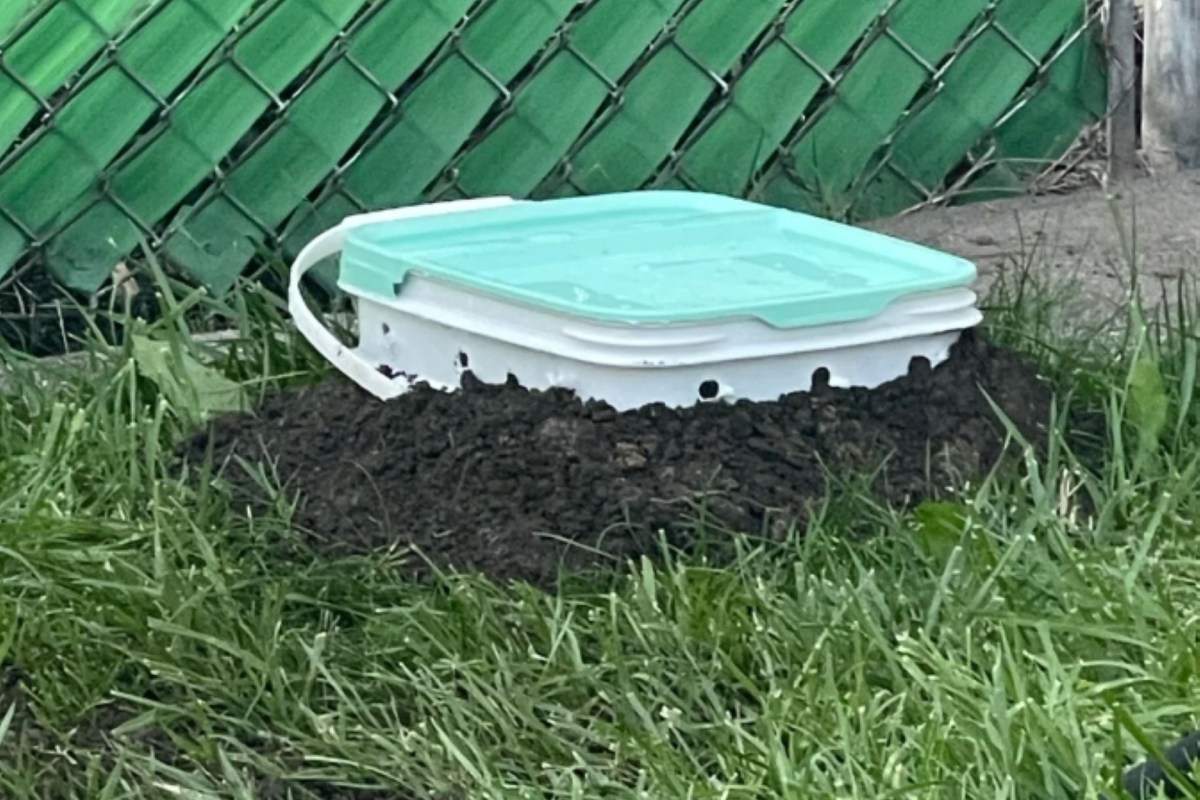
A gardener navigating strict city rules thought they had found a clever way to compost at home, but green-thumbed commenters were quick to point out the flaws in their setup.
What's happening?
"Watched a few YouTube videos and started my first compost bucket today," the original poster said on Reddit. "Give me your best tips and tricks!"
Because the city would not allow an open, uncontained compost pile, they initially buried a repurposed cat-litter bucket with holes drilled into it.
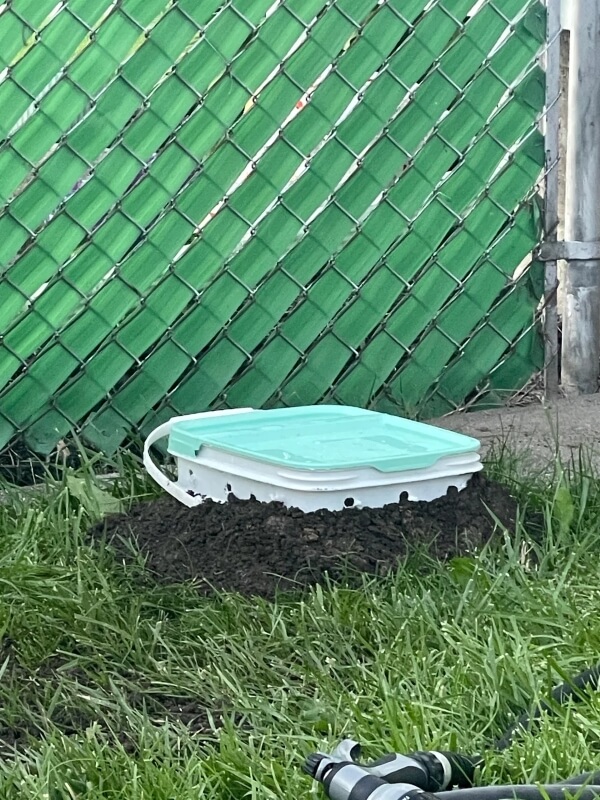
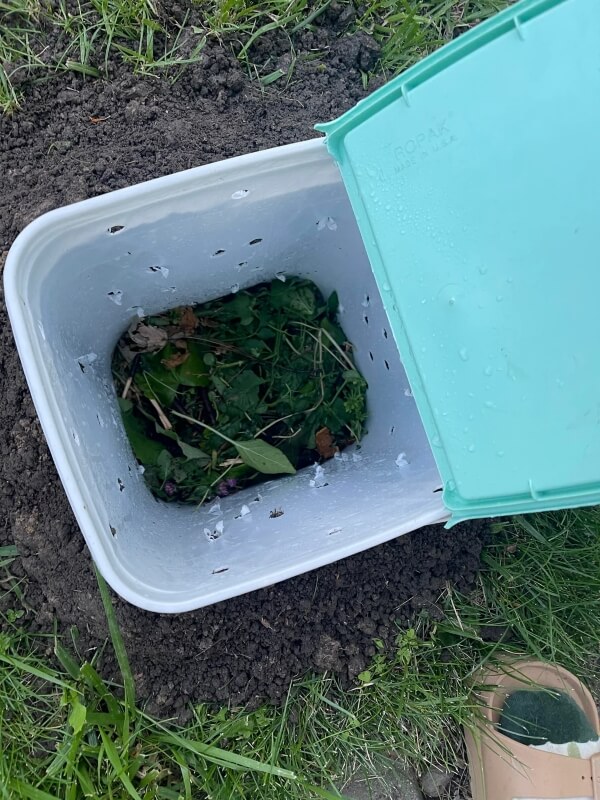
While commenters were encouraging about the effort, many also pointed out a likely limitation: the small bucket buried in the ground would likely not heat up, which is an important element of the composting process. Instead, some said the setup may instead end up acting more like an in-ground worm bin.
"This is an inground worm farm and you're supposed to bury them near the plants you want fertilized by the worms," one said.
Others focused on balancing the food scraps with more carbon-rich "browns" such as cardboard, junk mail, and toilet paper tubes, while some added their personal tips for maximizing compost.
TCD Picks » Quince Spotlight
💡These best-sellers from Quince deliver affordable, sustainable luxury for all




Why does it matter?
A buried system like the one the OP shared can still be useful outside apartment buildings, in crowded neighborhoods, or in cities with compost restrictions.
While the compost mix itself drew some negative feedback, with commenters saying the bucket, many agreed it was a good first effort.
Successful compost setups can also produce healthier soil that can support home gardens, container plants, and raised beds. Growing food at home can help families save money on produce, enjoy fresher and often better-tasting fruits and vegetables, and spend more time outside doing light physical activity that can also support mental health.
What are people saying?
Commenters added a few useful notes for the OP to consider.
"Speaking from personal experience: I would upgrade to more durable 5 gallon buckets because the upcycled cat litter buckets will begin breaking apart in a year or two," one said.
"Careful with those top air holes, bees might start a hive in there if left undisturbed for a while," another added.

Get TCD's free newsletters for easy tips, smart advice, and a chance to earn $5,000 toward home upgrades. To see more stories like this one, change your Google preferences here.






