


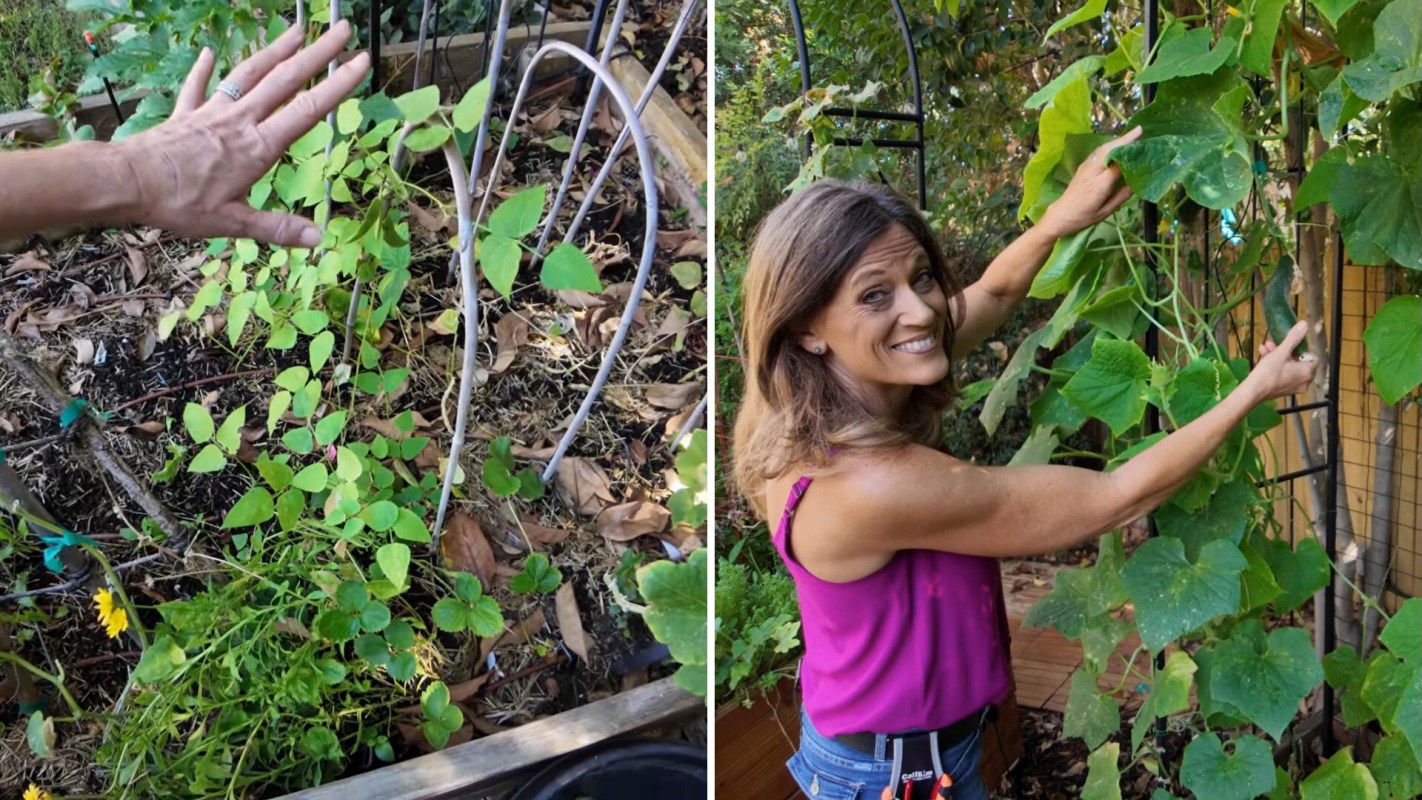
Ripping out an exhausted summer garden in one weekend can feel productive, but that hardcore push may actually set you back.
What happened?
In a YouTube video, CaliKim (@CaliKim29) told home gardeners not to rush into pulling warm-season crops like tomatoes and peppers just because the beds look untidy.
CaliKim said, "Some plants are still producing, some have really slowed down, and some are just plain done."
In this stage, it can be harder than expected to judge what should remain and what should be removed.
Among the four pitfalls CaliKim discussed were judging plants by a rough appearance, assuming a green plant is still actively growing fruit, and failing to check beneath the foliage before ripping a plant out.
Ultimately, the gardener advised to remove gradually and observe what's happening in the garden before making any decisions.
TCD Picks » Quince Spotlight
💡These best-sellers from Quince deliver affordable, sustainable luxury for all




Why does it matter?
While bad timing can lead to a reduced harvest of what's already there, delaying bed preparation too long can also shrink the window for fall crops.
Growing produce at home can help cut grocery bills, especially when prices for fresh vegetables rise. Many gardeners also prefer the taste of homegrown food because it can be harvested at peak ripeness instead of being shipped long distances.
Gardening gets people moving, encourages time outdoors, and can support mental health by providing a calming, hands-on routine.
And all of that being said, finding the right timing in a garden can be overwhelming. If you're not able to adhere to it perfectly, it's still better to grow some fresh produce for your home than nothing at all.
What can I do?
Instead of making one decision for an entire bed, assess each plant on its own.
Handling the changeover in stages can make fall prep more manageable. Pull the plants that are truly finished, and keep productive crops in place until they stop contributing. That approach can preserve food while still creating room for the next planting.
The same gradual method works for container gardens too. You can replace plantings pot by pot rather than emptying everything all at once.

Get TCD's free newsletters for easy tips, smart advice, and a chance to earn $5,000 toward home upgrades. To see more stories like this one, change your Google preferences here.







