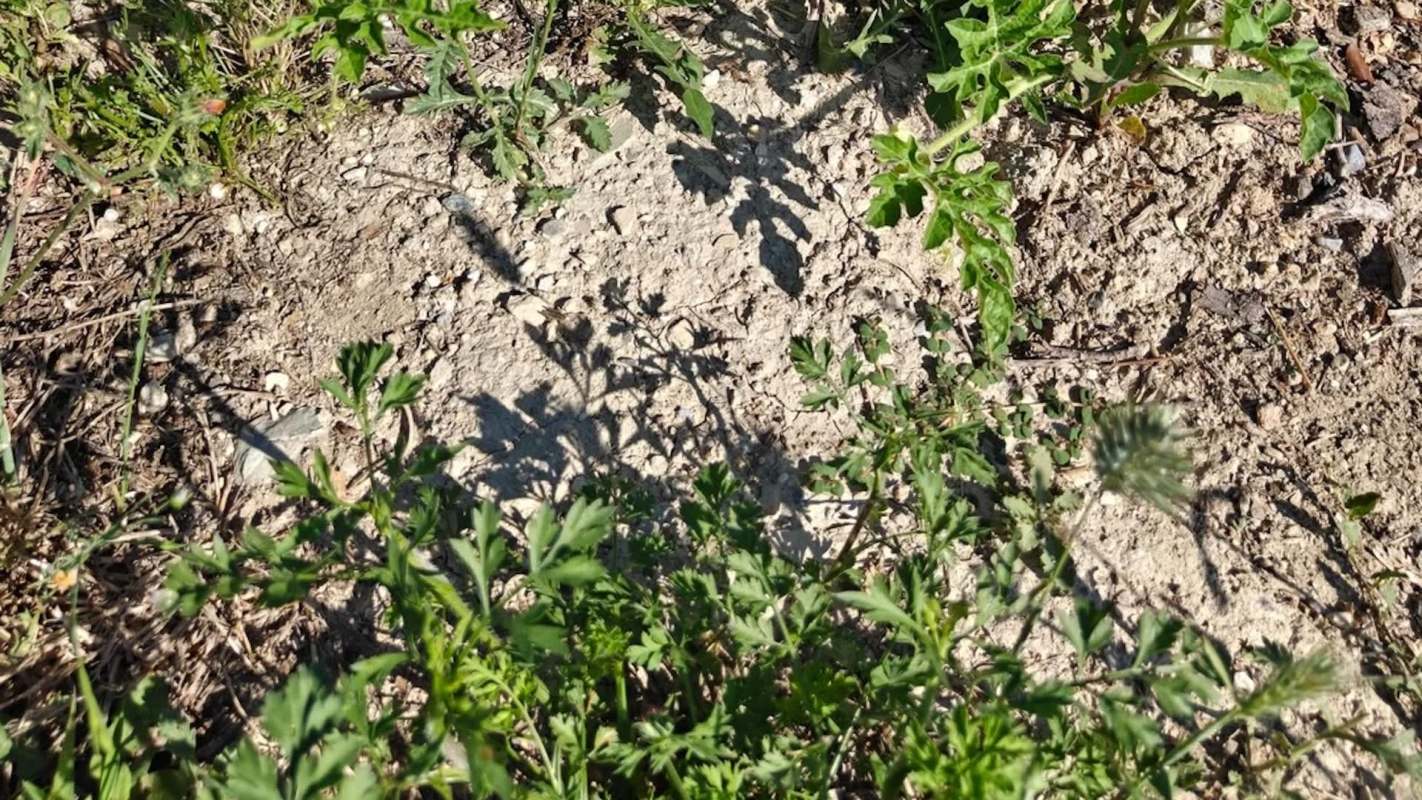
A homesteader is proving that clay-heavy yards don't have to be a lost cause for vegetable growing.
What's happening?
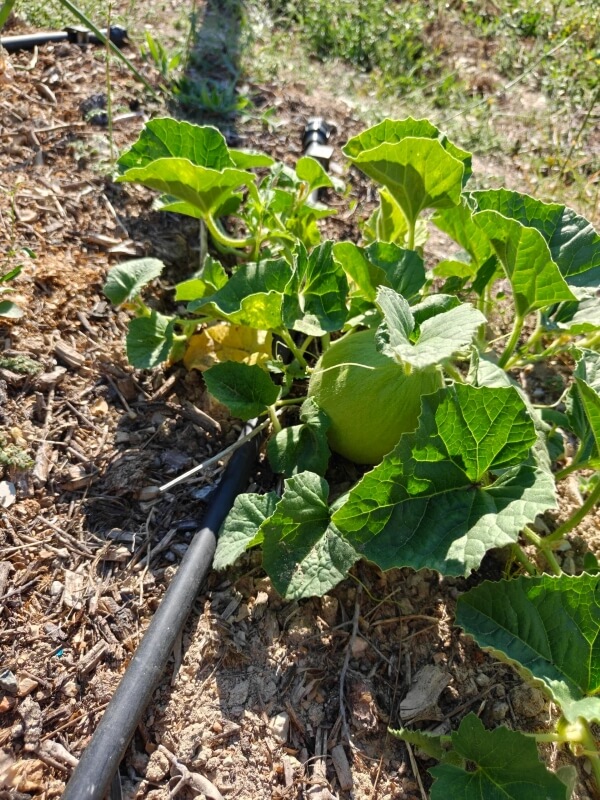
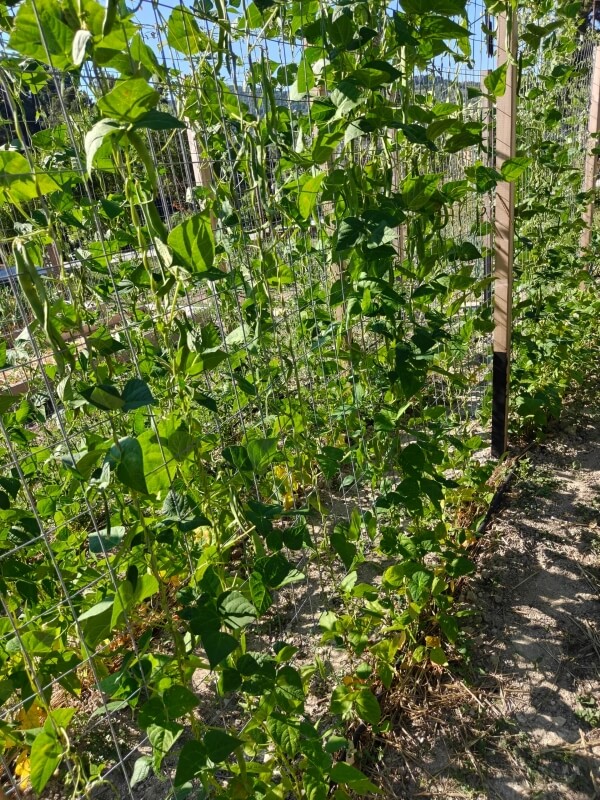
A third-year homesteader in southeastern Europe shared that their hard clay soil has produced a bounty of produce in hot, windy conditions, including melons, tomatoes, peppers, okra, beans, and aubergines.
"Clay soil works," they revealed in Reddit's r/homestead.
Surprisingly, their soil required "zero amendments" except for compost and wood chips.
One of the secrets, they said, is the watering schedule. Every three days, they water their garden for 10 minutes at 4 liters per hour using drip irrigation, a practice that delivers water more effectively to a plant's roots.
"Clay holds water extremely well," they emphasized, while also being practical about some of the downsides of clay soil.
TCD Picks » Quince Spotlight
💡These best-sellers from Quince deliver affordable, sustainable luxury for all




For one, their harvest was slightly later in the season than expected. They also said their potatoes and other root vegetables "don't like heavy soils."
Why does it matter?
For many households, gardening can be a meaningful way to save money.
As grocery prices rise, even a modest backyard harvest can help reduce food bills while giving families access to fresher-tasting food.
Homegrown produce is often harvested at peak ripeness, giving it a better flavor than fruits and vegetables picked early and shipped long distances. For people who enjoy cooking, that difference can be significant.
Gardening can also support health in multiple ways. It provides light physical activity, time outdoors, and a routine that can benefit mental well-being.
In hotter regions, soil that retains moisture well can be a major advantage when water is limited, especially when paired with mulch.
What can I do?
If you have heavy soil, you may not need to replace it or fight against it. It may be more useful to learn how it behaves. Clay can compact easily, but it also holds nutrients and moisture, which can help plants get through hot, dry periods. You can also build your garden slowly over time.
"It's been 5 years and the small patch I started with is doing amazingly well now," shared one commenter, who said they'd also been amending their clay soil.
Low-cost strategies include adding mulch to protect the soil surface, using modest amounts of compost rather than overworking the bed, and drip irrigation to deliver water slowly and efficiently. As your garden continues to bloom, you can also keep costs down — and your food free from toxins — by learning how to control weeds and pests without chemicals.

Get TCD's free newsletters for easy tips, smart advice, and a chance to earn $5,000 toward home upgrades. To see more stories like this one, change your Google preferences here.