


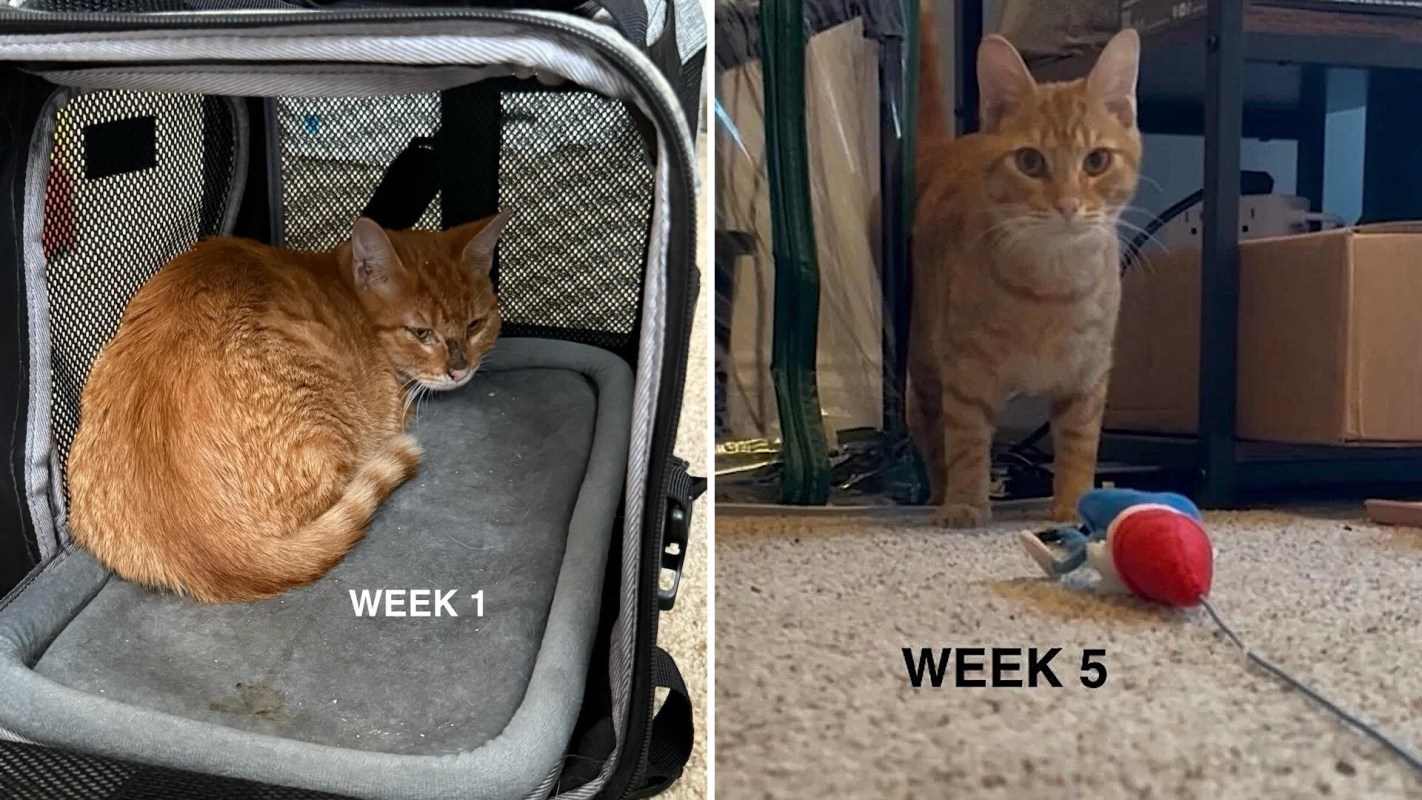
Cheese Doodle's rescue from death at an overcrowded shelter to finding his forever home is the kind of feel-good story everyone should hear.
What happened?
In a post on Reddit's r/BeforeNAfterAdoption, a forum built around before-and-after pet stories often showing how much a stable environment can change an animal's life, Cheese Doodle's foster parent gave an update.
According to a post on Reddit, Cheese Doodle had been saved from death at a local shelter facing overcrowding. In the beginning, he "wouldn't eat" and "wouldn't let anyone near him," showing how overwhelmed and shut down he was.
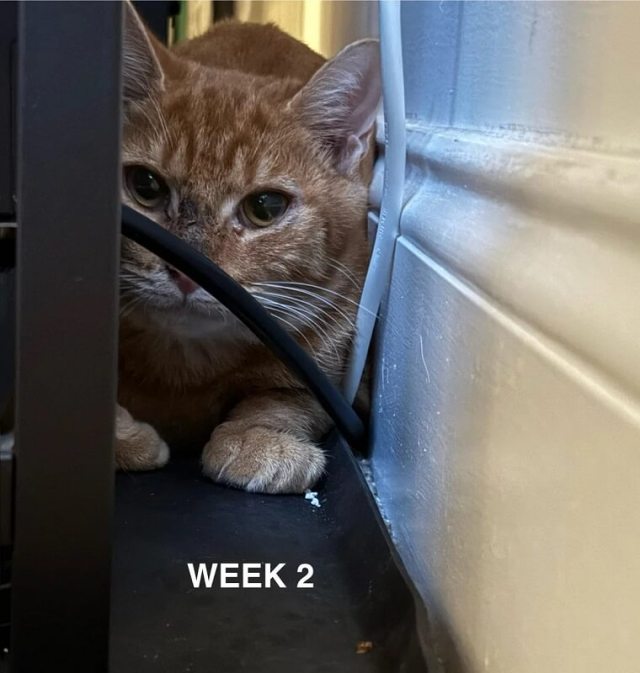

Unfortunately, this type of behavior can make shelter animals seem unadoptable, even when what they really need is decompression, routine, and a quieter place to settle. In Cheese Doodle's case, foster care gave him that chance.
His progress has now reached the point that he is headed to a permanent home.
Why does it matter?
Shelter environments can be overwhelming, especially for cats that are already frightened, sick, or undersocialized. When animals stop eating or avoid contact, their odds of survival can worsen quickly.
TCD Picks » Quince Spotlight
💡These best-sellers from Quince deliver affordable, sustainable luxury for all




A different setting, even temporarily, can reveal a completely different animal. The shy cat hiding in the back of a kennel may become affectionate and relaxed once the noise, confinement, and stress of their environment are gone.
It also underscores the importance of foster networks. When a foster steps in, they are not only saving animals and helping them recover — they are also easing pressure on crowded shelters and creating space for other animals in immediate need of care.
What can I do?
If you are thinking about bringing home a pet, local shelters and rescue groups are a strong place to start. Ask staff which cats have been overlooked or seem shut down in the shelter and whether a foster-to-adopt setup is available.
If you are not ready to adopt permanently, fostering can still make a major difference. Temporary homes help animals decompress, give rescues more information about a pet's personality, and can be lifesaving when shelters are full.
People can also support rescue efforts without taking an animal home. Donating food, litter, carriers, or bedding — or even helping share adoptable pets online — can help shelters stretch limited resources.

Get TCD's free newsletters for easy tips, smart advice, and a chance to earn $5,000 toward home upgrades. To see more stories like this one, change your Google preferences here.






