



Another round of triple-digit weather is expected in inland California, with Sacramento, Modesto, Fresno, and Merced among the cities in the path. For many households, the bigger worry may be what it costs to keep the air conditioner running through it.
What's happening?
With some parts of California heading back above 100 degrees, The Sacramento Bee reported that Pacific Gas and Electric Co. is warning customers to prepare for steeper summer electricity costs.
PG&E told the Bee, "Warmer temperatures could lead to increased electricity usage as customers often increase electricity usage to cool their homes." If the high temperatures persist, that extra cooling demand can balloon energy bills even more.
PG&E says there are several free ways customers can try to reduce those costs. The utility recommends making sure a household is on the least expensive rate plan, using its Home Energy Checkup and Energy Action Guide. It also suggests looking into HomeIntel, a free coaching program that can help participating households save about $350 a year.
The company also points customers to SmartRate, which gives credits to people who reduce electricity use between 4 p.m. and 9 p.m. on high-demand days. Budget Billing and Bill Forecast Alerts are additional options aimed at helping customers manage costs and avoid unexpected charges.
"This summer, customers with an active electric account will receive a $36.18 California Climate on their August and September billing statements, providing a total of $72.36 in relief," PG&E added.
Why is this program helpful?
In California, dangerous summer heat can quickly translate into much higher electricity bills when air conditioners have to run for long stretches.
Regulators have also warned that PG&E customers statewide could see bills climb by hundreds more dollars a year by 2030, part of a broader pattern of rising California energy costs.
Save $10,000 on solar panels without even sharing your phone number Want to go solar but not sure who to trust? EnergySage has your back with free and transparent quotes from fully vetted providers that can help you save as much as $10k on installation. To get started, just answer a few questions about your home — no phone number required. Within a day or two, EnergySage will email you the best local options for your needs, and their expert advisers can help you compare quotes and pick a winner. |

The California Public Utilities Commission changed the timing of the 2026 California Climate Credit so it arrives when many residents are using the most electricity, instead of during milder times of year.
For homeowners, going solar is also one of the best ways to save money on home energy over the long term. If you want to see what that could look like for your house, you can use EnergySage, or look for community solar programs in your area.
What can I do?
The U.S. Department of Energy suggested beginning with simple steps. Keep vents open and clear, use fans only in occupied rooms, and shift tasks such as dishwashing or laundry to off-peak hours. PG&E also said customers should not fall for myths like the idea that setting a thermostat to 60 cools a home faster.
PG&E's free tools may be a useful first step, but solar shoppers can also benefit from outside comparison tools.
More From EnergySage
💡Go deep on the latest news and trends shaping the residential solar landscape

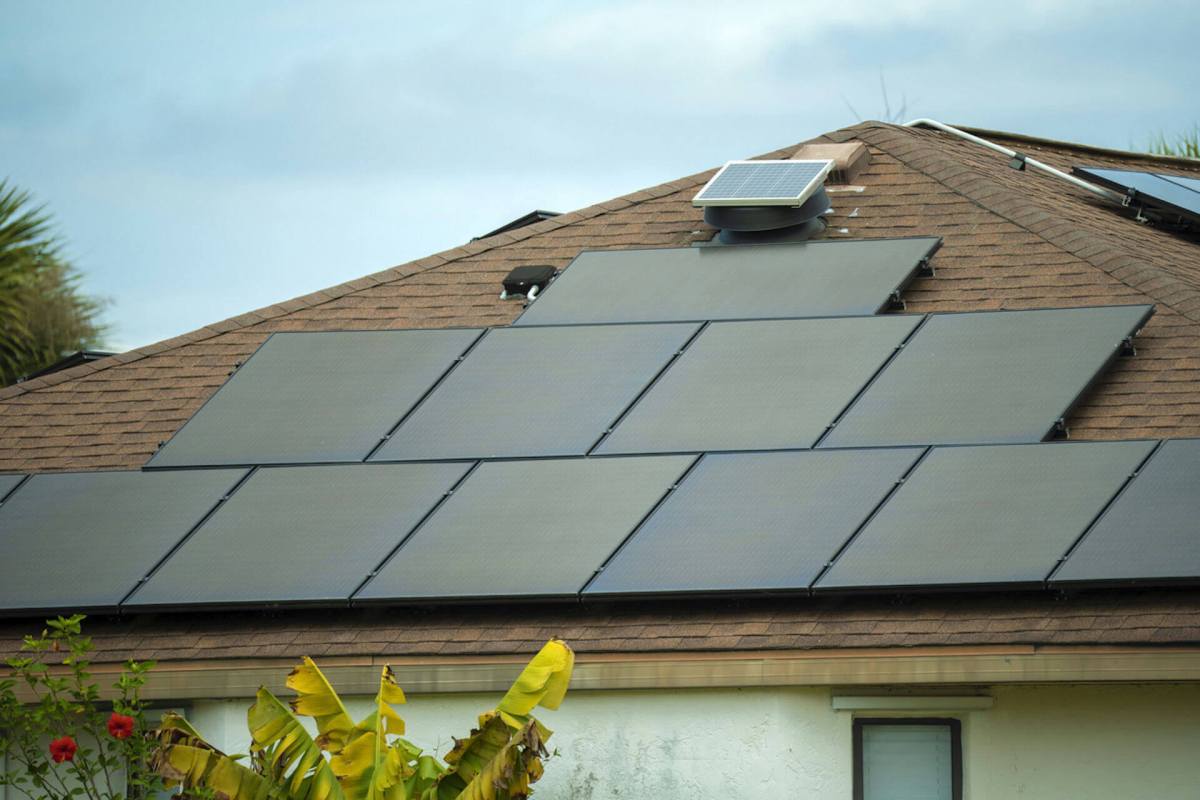

With EnergySage's help, the average person can save on solar purchases and installations. EnergySage's solar map shows the average cost of a home solar panel system, helping homeowners find the best price for rooftop panels and claim the savings they qualify for.
Adding battery storage to a solar setup is one of the best ways to protect your home during outages, save money on energy, and go off grid. To learn more, explore EnergySage for free information about home battery storage options.

Get TCD's free newsletters for easy tips, smart advice, and a chance to earn $5,000 toward home upgrades. To see more stories like this one, change your Google preferences here.






