


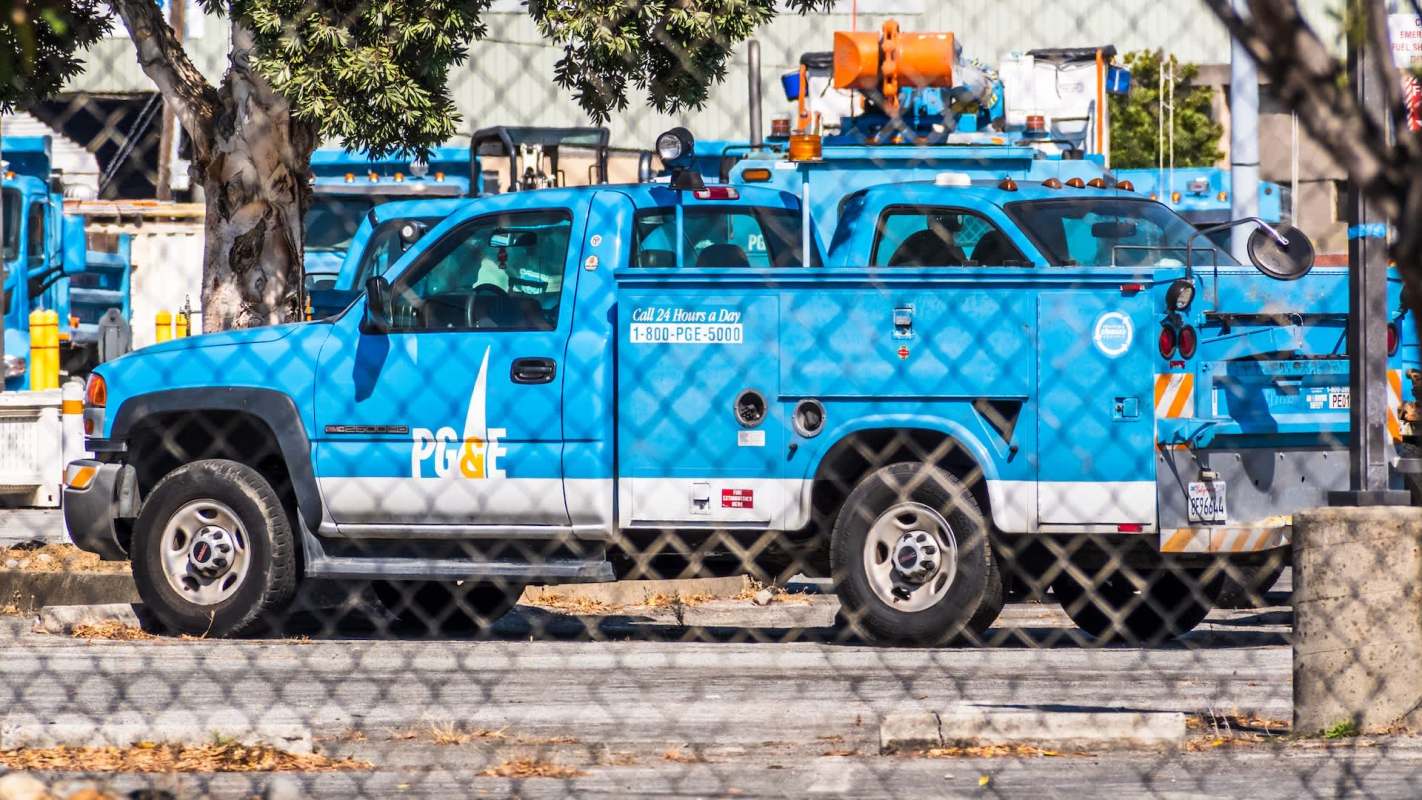
Millions of Californians who get electricity from Pacific Gas & Electric are now facing the possibility of yet another increase in the cost of powering their homes.
If current projections prove accurate, routine household electricity use could cost many customers several hundred dollars more each year.
That possibility is especially troubling for families already dealing with expensive housing, groceries, and insurance, as reported by Yahoo Finance. Going solar is one of the best ways to save money on home energy when utility prices keep climbing. Homeowners can use EnergySage to get quick solar installation estimates and compare quotes to see whether rooftop panels could lower monthly bills.
What's happening?
By 2030, PG&E customers may be paying as much as $840 more per year for energy, based on projections from the California Public Utilities Commission's Public Advocates Office. PG&E serves about 16 million people in California, so an increase of that size would touch a substantial portion of the state.
The office's estimates suggest a typical household could see bills rise by $444 in 2027. That would add to recent increases that have already raised costs for customers. In 2024, the average PG&E household reportedly spent about $443 more on energy than a year earlier.
The projection also conflicts with remarks PG&E Chief Executive Patti Poppe made in 2025, when she told the San Francisco Chronicle: "I'm begging you. Tell the story: Bills will be flat."
Why does it matter?
A higher power bill can mean tougher choices about food, medicine, transportation, and staying cool during dangerous heat waves. It also adds to concerns about how utility and policy decisions are being passed down to customers.
When rate hikes become routine, families can end up paying for a system that feels increasingly unaffordable, even as electricity becomes more essential for daily life.
Save $10,000 on solar panels without even sharing your phone number Want to go solar but not sure who to trust? EnergySage has your back with free and transparent quotes from fully vetted providers that can help you save as much as $10k on installation. To get started, just answer a few questions about your home — no phone number required. Within a day or two, EnergySage will email you the best local options for your needs, and their expert advisers can help you compare quotes and pick a winner. |

What's being done?
For households trying to protect themselves from rising utility costs, rooftop solar can offer one of the clearest ways to reduce dependence on expensive grid power. EnergySage's free services are designed to help people compare vetted quotes and understand whether solar makes financial sense for their home. With EnergySage's help, the average person can save up to $10,000 on solar purchases and installations.
Readers can also check EnergySage's solar map, which shows the average cost of a home solar panel system on a state-by-state level, along with details on solar panel incentives for each state. Together, those resources can help shoppers get the best price for rooftop solar panels and access available incentives.
Adding battery storage to a solar setup is one of the best ways to protect your home during outages, save on energy costs, and go off-grid. It can also help households keep critical devices running during utility shutoffs or blackouts. Readers can also explore EnergySage for information about home battery storage options, including competitive installation estimates.
Meanwhile, the latest PG&E warning is likely to intensify scrutiny of how utilities, regulators, and state leaders plan for affordability in the years ahead.
More From EnergySage
💡Go deep on the latest news and trends shaping the residential solar landscape



Get TCD's free newsletters for easy tips, smart advice, and a chance to earn $5,000 toward home upgrades. To see more stories like this one, change your Google preferences here.






