


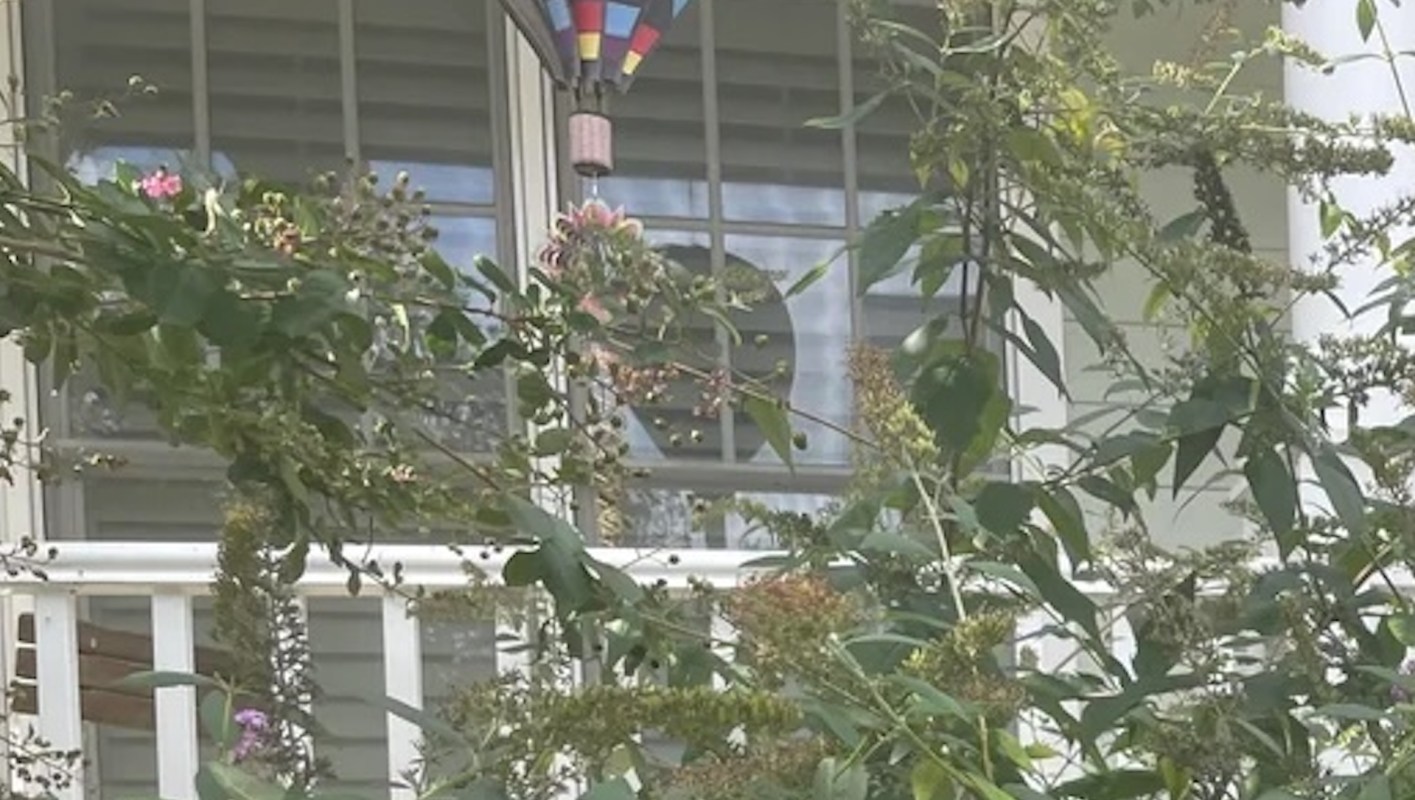
A homeowner wanted to learn more about the plant attracting insects outside of their house. But the reveal made them get their gardening tools ready for removal.
The original poster shared images of the plant in r/whatplantisthis. The homeowner explained that it was "popular with butterflies and bees," and they were determined to identify the species.
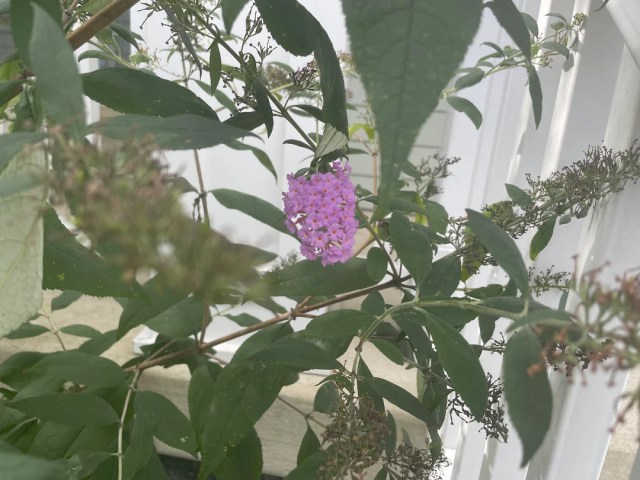
Commenters identified the plant as a butterfly bush. After a quick online search, the OP discovered that it is an invasive species.
"Will have to remove it," the OP said in a comment. "Hopefully it's easy."
The butterfly bush, also known as Buddleja davidii, is native to China, per the Brandywine Conservancy. The bush starts to bloom in mid-summer and can grow up to 15 feet high. It also reproduces quickly — a study found that just one flower spike contains more than 40,000 seeds.
Invasive animal or plant species threaten an ecosystem by outcompeting native species for vital resources, according to the National Wildlife Federation. Oftentimes, they grow and take over an area quickly. Invasive species can spread disease, which puts human health at risk too.
There's also the economic impact. From crop damage to wildlife threats, invasive species cost the U.S. nearly $20 billion per year.
Installing a native plant lawn can help prevent invasive species from appearing. Clover and buffalo grass are eco-friendly landscaping options that require less maintenance and water. Using these plants saves homeowners money and benefits pollinators that protect our food supply.
Some commenters on the Reddit post were already aware of the benefits of native plants, reminding the OP to upgrade after the invasive plant is removed.
"After it's dead, you can still grow natives in its place," one commenter said.
TCD Picks » Quince Spotlight
💡These best-sellers from Quince deliver affordable, sustainable luxury for all




|
What is the biggest reason you don't grow food at home? Click your choice to see results and speak your mind. |
 Not enough time ⏳
 When asked about native alternatives to consider, another person replied, "Butterfly Milkweed or one of the sage or salvia species maybe? Those won't get as big but the bees and butterflies love it."
Meanwhile, another commenter just wanted to make their feelings about the butterfly bush clear.
"I hate this plant bro," the commenter wrote.

Join our free newsletter for easy tips to save more and waste less, and don't miss this cool list of easy ways to help yourself while helping the planet.
Cool Picks




