


For home gardeners trying to keep birds away from their produce, a YouTuber shared a ranked list of what works best.
Here's what to know
An Aug. 12 video on the MIgardener (@MIgardener) YouTube channel walked through bird-deterrent options from least to most effective.
The creator, Luke, was most critical of bird netting, saying birds and other animals can be injured or killed if they become tangled in it, having seen it himself when a rabbit died after getting caught in one. "I do not like bird netting under any circumstances," he said.
One commenter supported this and wrote, "I put bird netting on my blueberry bush one season but never again. I had a bird get trapped in it and it died before I found it so I won't ever be putting it on anything again."
Another pushed back, noting that newer materials may be safer, saying, "The new stuff is made out of super fine mesh, like tulle fabric. The birds can't get trapped in it."
Luke said pie tins and scarecrows often stop working once birds figure out they are not actual threats. He spoke more favorably about reflective items that stay in motion, such as old CDs and scare tape, warning their light weight and constant movement make them less predictable in the wind.
TCD Picks » Quince Spotlight
💡These best-sellers from Quince deliver affordable, sustainable luxury for all




He also said some species can be more effectively discouraged by predator sounds played on speakers. Another method he especially liked was setting out water and bird feed somewhere else to distract birds from juicy garden crops.
Why is this important?
The advice comes at a useful time for home gardeners trying to protect their harvests without harming wildlife. Losing part of that harvest to birds can be frustrating, especially in hot weather when tomatoes and berries are ripening.
Gardening helps households save money on produce, enjoy fresher, better-tasting fruits and vegetables, and support both physical activity and mental health. Managing pests without using toxic, store-bought products keeps harsh chemicals out of the soil and waterways.
Luke also pointed out that birds are not always "ruining" a garden, since many of them are eating insects and helping lower pest pressure.
What can be done?
If you're already growing your own food, protecting your plants in a wildlife-friendly way can help preserve your harvest while keeping your yard more balanced. If you are dealing with birds in your garden, this is a great way to decide what method to use, taking advice from someone who has already done the legwork.
There are all kinds of ways to control pests without chemicals, and plenty of them are simple strategies worth trying.
Among the inexpensive ideas highlighted were hanging CDs, reflective scare tape, and strips cut from mylar-style emergency blankets, all of which may help keep birds away without traps or chemicals.
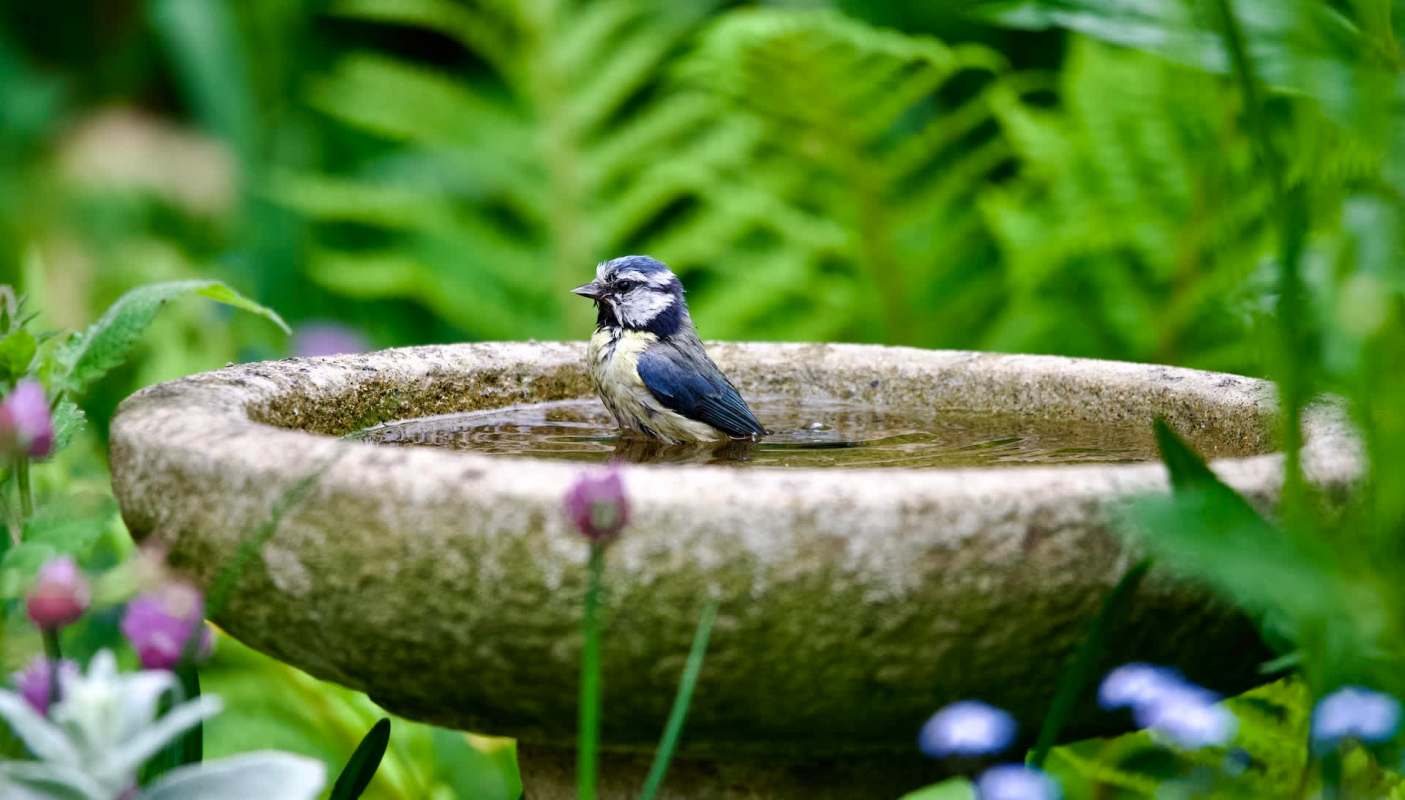
Rather than only trying to scare birds off, he suggested giving them an alternative destination. A bird bath during hot weather, along with seed or mealworms placed away from crops, may reduce pecking at tomatoes, strawberries, and berries.
One comment said, "It brings me so much pleasure to watch them and they mostly leave my garden alone."

Get TCD's free newsletters for easy tips, smart advice, and a chance to earn $5,000 toward home upgrades. To see more stories like this one, change your Google preferences here.






