


A gardener is going viral after being completely candid about a disappointing harvest.
However, her mistakes serve as a reminder that missteps can become useful lessons by next spring.
What happened?
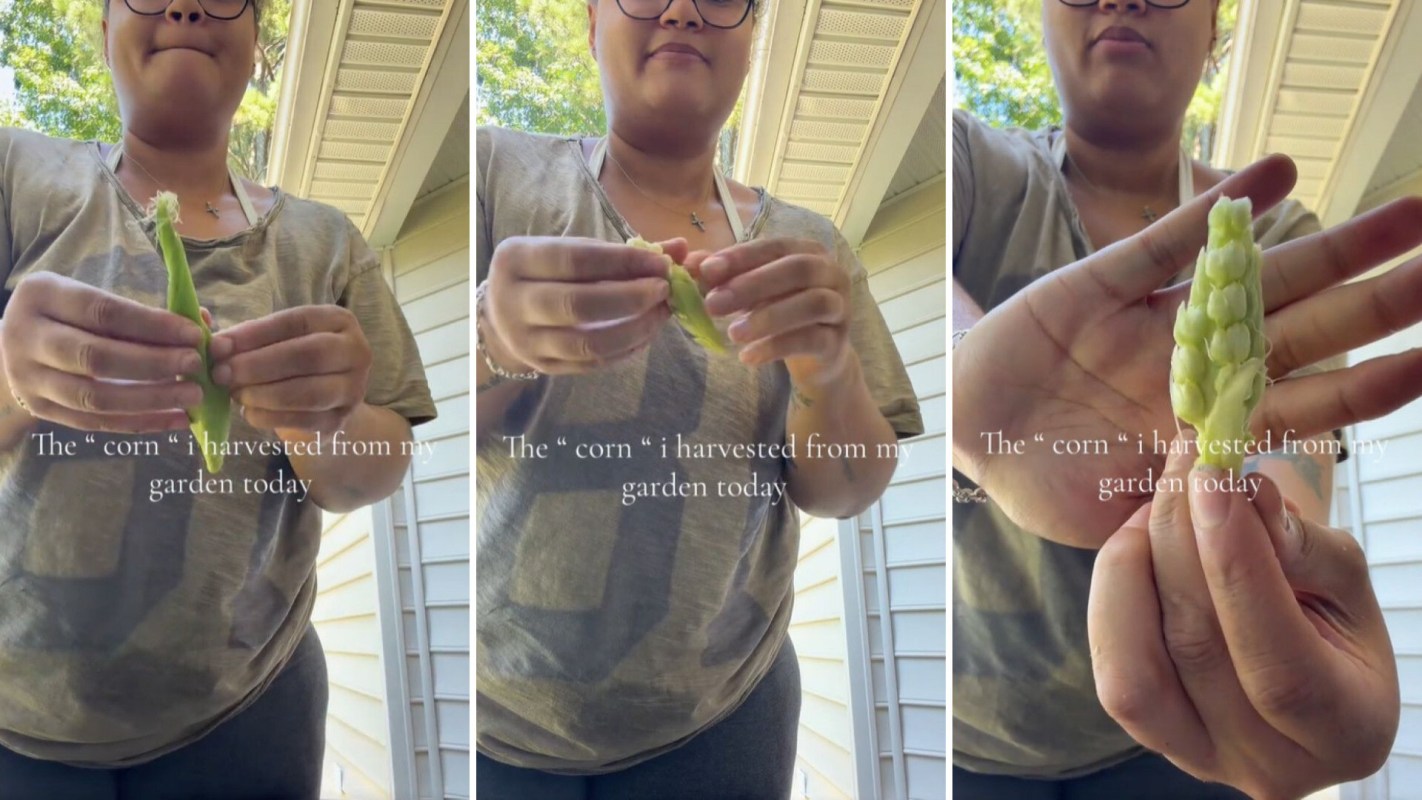
In a TikTok video, summerjenaee (@summerjenaee) showed the "corn" they harvested from their garden — and it's not what they expected.
The content creator peeled layer after layer of husk from the corn to reveal a tiny ear with oddly green kernels.
"Yikes!" they wrote. "Maybe next year I know what to do and what not to do."
@summerjenaee 😬🫤🤣🤣🤣 yikes ! Maybe next year i know what to do and what NOT to do now! #beginner #gardening #garden #gardenupdate #harvesting ♬ original sound - kjtheproducer
Viewers appreciated summerjenaee's relatable snafu and posted photos of their own gardening missteps.
TCD Picks » Quince Spotlight
💡These best-sellers from Quince deliver affordable, sustainable luxury for all




"Perhaps a watermelon to add something sweet?" one asked while revealing a watermelon that fit in the palm of their hand.
"I'll bring the peppers!" another said, showing off tiny red bulbs.
"All the pics of the mini vegetables are killin me," a third joyfully remarked.
Why does it matter?
Seeing a gardener be transparent about what went wrong shows that things don't have to be perfect on the first attempt, encouraging those who are looking for practical ways to cut costs at the grocery store and spend more time outdoors to keep trying.
That same mindset can apply beyond vegetable beds. Homeowners looking for a lower-stress yard may benefit from replacing some or all of a traditional lawn with lower-maintenance options, such as native plants, clover, buffalo grass, or xeriscaping. However, it might take a while for your garden to look exactly as you intended, so it's good to practice patience.
Even a partial lawn replacement can save time and money on mowing and upkeep, lower water bills, and create a healthier habitat for pollinators. Typically, a native-plant lawn also requires less fertilizer and fewer chemical treatments than conventional grass.
What can I do?
Starting small is often better than trying to overhaul everything at once. A few containers, one raised bed, or a modest patch of easy-to-grow crops can make it easier to learn what works in your climate and schedule.
Ultimately, early gardening errors can be frustrating, but they can also steer people toward smarter, more sustainable decisions the next time they try.

Get TCD's free newsletters for easy tips, smart advice, and a chance to earn $5,000 toward home upgrades. To see more stories like this one, change your Google preferences here.






