


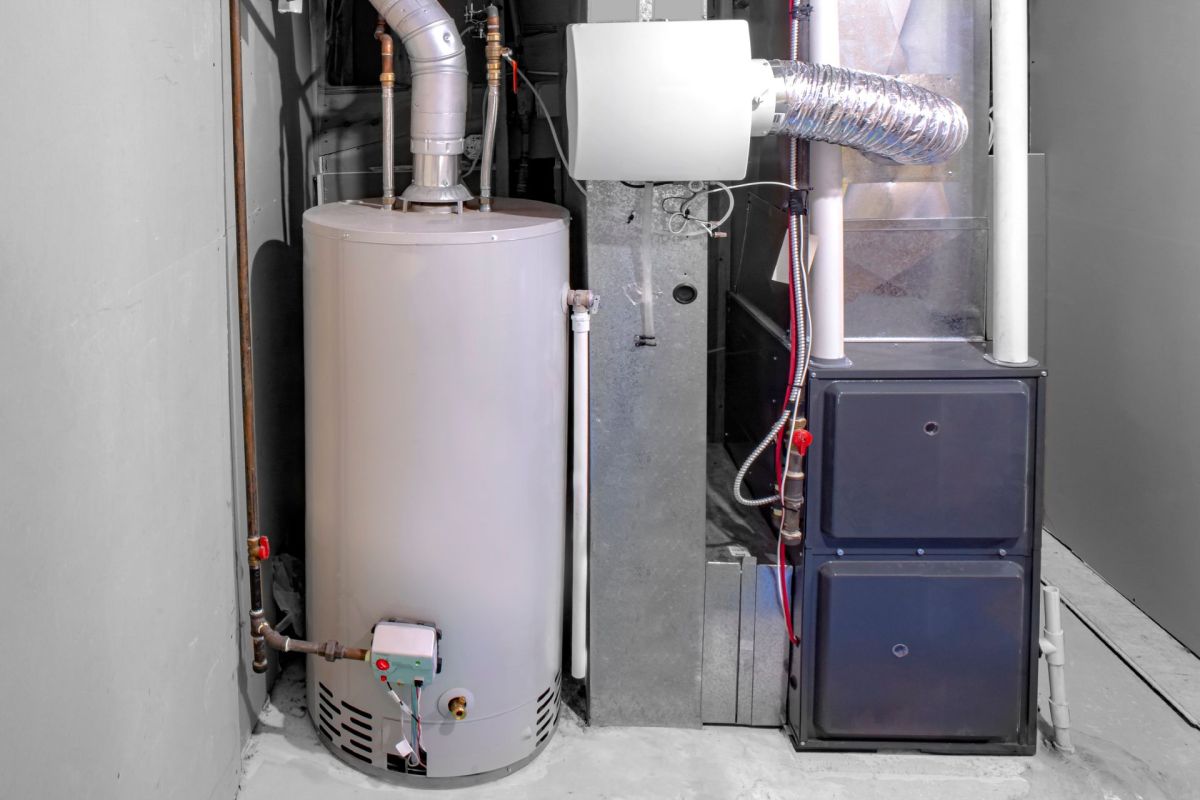
A planned phaseout of new gas water heaters in the Bay Area is still moving forward, but not as soon as some residents had feared.
Regulators have pushed the policy to 2028 and added hardship exemptions, signaling that the region remains focused on cleaner homes while making more room for households facing real cost and logistical barriers.
What's happening?
The proposed sales ban on new gas water heaters has been postponed, and the revised version now includes exceptions for households that may have a hard time making the switch right away.
According to The Press Democrat, officials are still trying to move homes away from gas appliances, but the latest draft gives more flexibility to residents worried about affordability, emergency replacements, and the challenges that often come with older housing.
Water heaters are among the most common gas appliances in homes, and when they fail, families often have to move fast. A delayed timeline and exemption process could give homeowners, renters, landlords, and contractors more time to prepare instead of forcing rushed decisions during an already stressful repair.
The move shows how climate policy is evolving in real time. Regulators are still working to reduce pollution, but they are also recognizing that not every household is starting from the same place.
TCD Picks » Quince Spotlight
💡These best-sellers from Quince deliver affordable, sustainable luxury for all




Why does it matter?
Gas water heaters contribute to both indoor and outdoor air pollution, and they lock homes into non-renewable resource use for years. Shifting to cleaner electric options, including heat pump water heaters, can help cut pollution while improving neighborhood air quality over time.
For families, the benefits can be practical as well as environmental. Newer electric systems can be more energy-efficient, and over time they may help reduce utility costs.
Replacing a broken water heater is rarely optional, and some households may not have the money, electrical capacity, or building flexibility to install a new electric unit on short notice.
That is especially true for seniors on fixed incomes, residents of multifamily buildings, and people in older homes that may require panel upgrades first. If the transition is not handled carefully, the people already under the greatest financial pressure could end up bearing the heaviest burden.
What's being done?
The added exemptions and later start date are meant to answer those concerns, according to The Press Democrat. Regulators are trying to hold onto the policy's public health and climate value while also giving relief to people who cannot reasonably comply right away.
That process could offer a path for households dealing with sudden equipment failures, unusually high upgrade costs, or building and electrical limitations that make an immediate change unrealistic.
But exemptions alone will not solve everything. A smoother transition will likely depend on broader support systems, including rebates, low-interest financing, contractor training, and clearer guidance for property owners and tenants. Local and state agencies can also help by expanding public education so people know what options are available before their equipment fails.
Households with aging gas water heaters may have more options if they check for local incentives, ask contractors about electric-ready upgrades, and find out whether a home's electrical panel can handle a replacement before the unit fails.
The revised policy does not eliminate the challenge, but it gives communities more time to make the transition in a way they can actually manage.

Get TCD's free newsletters for easy tips, smart advice, and a chance to earn $5,000 toward home upgrades. To see more stories like this one, change your Google preferences here.






