


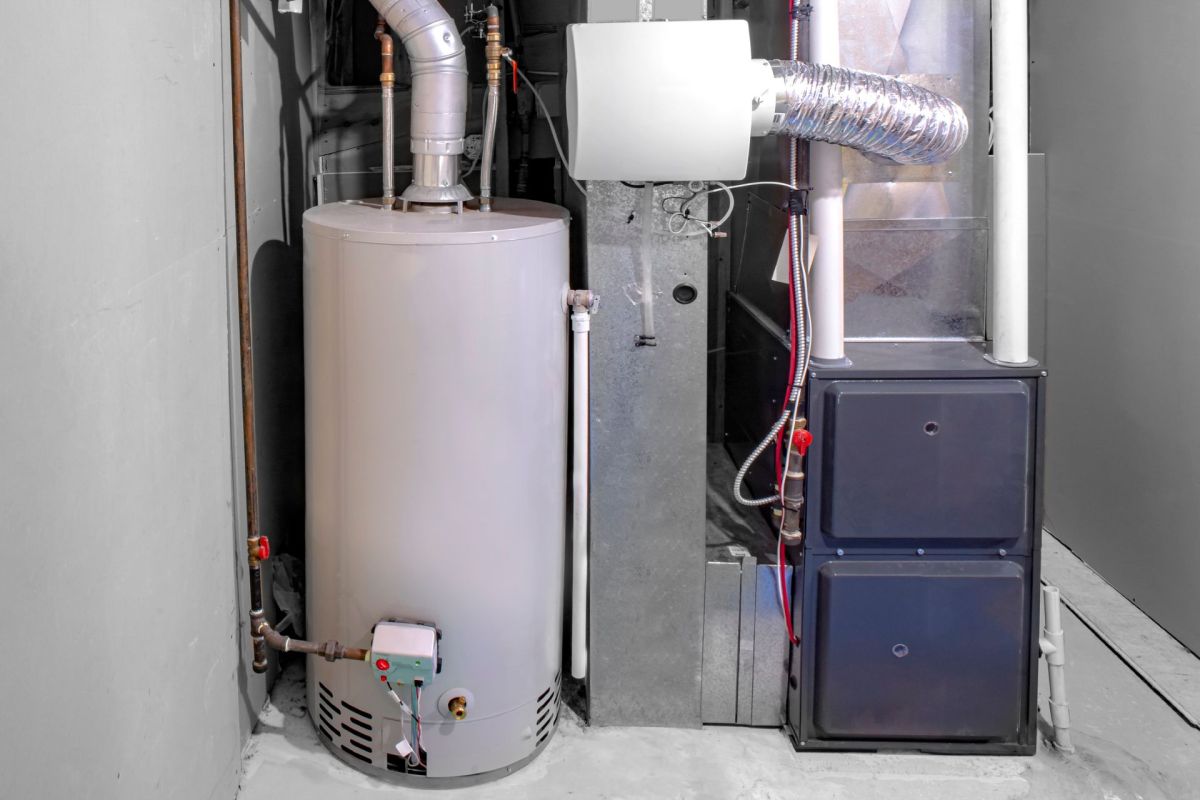
A closely watched Bay Area clean-air rule is still advancing, and supporters have said it is welcome news for families who want healthier homes and neighborhoods. However, local officials continue to grapple with residents' affordability concerns.
At a meeting, Bay Area air regulators were divided over whether to put the rule on hold. The policy would phase out the sale of many natural-gas water heaters and steer the region toward electric replacements.
Eight board members supported either delaying the rule or making it voluntary. Ten others said they want to keep it in place, while adding key amendments. Those changes, as described by the San Francisco Chronicle, would push the start date back to October 2027 and carve out exceptions for some lower-income households or homes with especially high installation costs.
The rule, first approved in 2023, is among the most ambitious local appliance-pollution measures in the United States. Air district officials have said replacing broken gas water heaters with cleaner electric heat pump models could improve public health and help reduce planet-warming air pollution across the region.
According to the Chronicle, the district estimated that the rule may avert as many as 85 premature deaths each year and avoid up to $890 million annually in health-related air-pollution impacts. For residents, that could translate to fewer pollution-related illnesses, fewer missed days of work or school, and cleaner air in communities that already shoulder a disproportionate health burden.
The policy could also help accelerate the shift to cleaner home technology. Heat pump water heaters are widely seen as an important part of the transition to more efficient homes, alongside other home upgrades that reduce pollution and modernize aging appliances. While the upfront cost is often higher, these systems can use energy more efficiently over time, slashing energy bills and reducing reliance on gas.
TCD Picks » Quince Spotlight
💡These best-sellers from Quince deliver affordable, sustainable luxury for all




Still, the discussion demonstrates how difficult it can be to balance long-term health benefits with immediate financial pressure.
Air district staff said that installing an electric heat pump water heater can cost about $3,500 more than replacing a standard gas model, per the Chronicle. Some homes may also need electrical upgrades or changes to the space to accommodate the equipment. Those added costs can be especially challenging during an emergency replacement, when a broken water heater is already an expensive and stressful problem.
Several board members said those financial realities cannot be overlooked. Others argued that delaying action carries its own costs.
The compromise now under consideration is meant to address some of those concerns. According to the district, proposed exemptions could apply to nearly 38% of water heater replacements. Officials also referenced existing education and incentive efforts, and staff said some homeowners may be able to choose plug-in models that lower installation costs. The full 24-member board is expected to vote on the exemption package in October.
Vice chair Vicki Veenker told the Chronicle, "Change is not easy. We shouldn't pretend that it is. But resisting change isn't easy either. It has a cost, and in this instance, the cost is health."
Board member Noelia Corzo made a similar point, saying, "If you ask any family if they would prefer to be slowly poisoned and have their health and the health of their children be negatively impacted over the risk of maybe a slight cost increase, it's kind of a no-brainer."
At the same time, board director Mark Salinas voiced the concern many residents are likely feeling right now: "It's the wrong time to do this. … Everyone we talk to, what's the top-of-mind issue right now? It's affordability."
That divide is exactly why the October vote will be so important. If regulators can preserve the rule's health benefits while building in meaningful cost protections, the Bay Area could offer a roadmap for how communities can reduce household pollution without leaving struggling families behind.

Get TCD's free newsletters for easy tips, smart advice, and a chance to earn $5,000 toward home upgrades. To see more stories like this one, change your Google preferences here.






