



A Stanford-led study found that gas- and propane-powered stoves release dangerous amounts of nitrogen dioxide, a pollutant linked to lung cancer, into homes. Opting for electric varieties can reduce this risk.
What's happening?
For the paper, researchers combined measurements of indoor air quality with data for outdoor air quality to identify where pollutants came from and their effects on human health, according to Stanford Report.
The publication added that most nitrogen dioxide exposure comes from outdoor sources such as gas-guzzling vehicles. However, the study identified that for 22 million Americans — especially those living in small homes or rural areas — gas cooking leads to "nitrogen dioxide levels that surpass recommended long-term safety thresholds when outdoor exposure alone would not."
"We know that outdoor air pollution harms our health, but we assume our indoor air is safe," senior author Rob Jackson said. "Our research shows that if you use a gas stove, you're often breathing as much nitrogen dioxide pollution indoors from your stove as you are from all outdoor sources combined."
TCD Picks » Induction Cooking
💡Discover the induction option that’s just right for your needs and your home



Why is this study important?
Nitrogen dioxide has been linked to health problems including asthma, obstructive pulmonary disease, preterm birth, diabetes, and lung cancer, according to Stanford Report. It added that previous research by the same team has linked gas stoves to dangerous levels of benzene, a pollutant that has been linked to leukemia and other blood-related cancers.
What's being done about the dangers of gas stoves?
The researchers concluded that replacing gas stoves with electric varieties could reduce nitrogen dioxide exposure by over 25% across the United States. For those who use the stoves the most, it could halve exposure, they said.
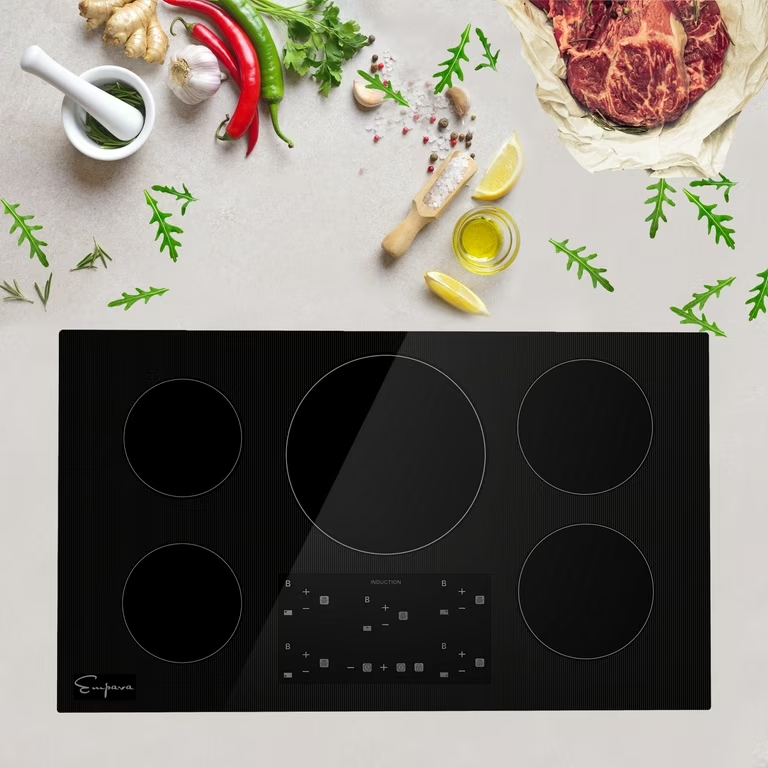
Induction ranges are a type of electric stove that can help people avoid the dangers of cooking with gas. In fact, one journalist put induction cooking to the test, finding that while her gas burners released all sorts of dangerous pollutants, her induction burner ran clean. While installing a new stove can be costly, some states help offset this obstacle by offering up to $840 off the cost of an induction range.
The benefits of an induction stove go beyond better health, too. They also cook food significantly faster than other options by using electromagnetism to directly heat cookware. For instance, they can boil water 20-40% faster than gas and radiant electric ranges and cooktops, according to Consumer Reports.
Save $10,000 on solar panels without even sharing your phone number Want to go solar but not sure who to trust? EnergySage has your back with free and transparent quotes from fully vetted providers in your area. To get started, just answer a few questions about your home — no phone number required. Within a day or two, EnergySage will email you the best options for your needs, and their expert advisers can help you compare quotes and pick a winner. Solar panels can save you more than $50k over their 25-year lifespan, and EnergySage can help you save as much as $10k on installation. Which begs the question — isn't that worth an email or two? |

Plus, induction cooking can save you money. The Department of Energy states that induction appliances are up to three times more energy-efficient than gas stoves.
For renters and people who don't want to undergo a major kitchen renovation, plug-in induction burners are a great alternative. These appliances start at around $50, and they are easy to use and maintain. And most importantly, plug-in induction burners offer all the same health, cooking, and energy benefits as induction ranges.
|
Do you worry about the quality of the air inside your home?
Click your choice to see results and speak your mind. |
 Yes — often 😬
Get TCD's free newsletters for easy tips to save more, waste less, and make smarter choices — and earn up to $5,000 toward clean upgrades in TCD's exclusive Rewards Club.







