


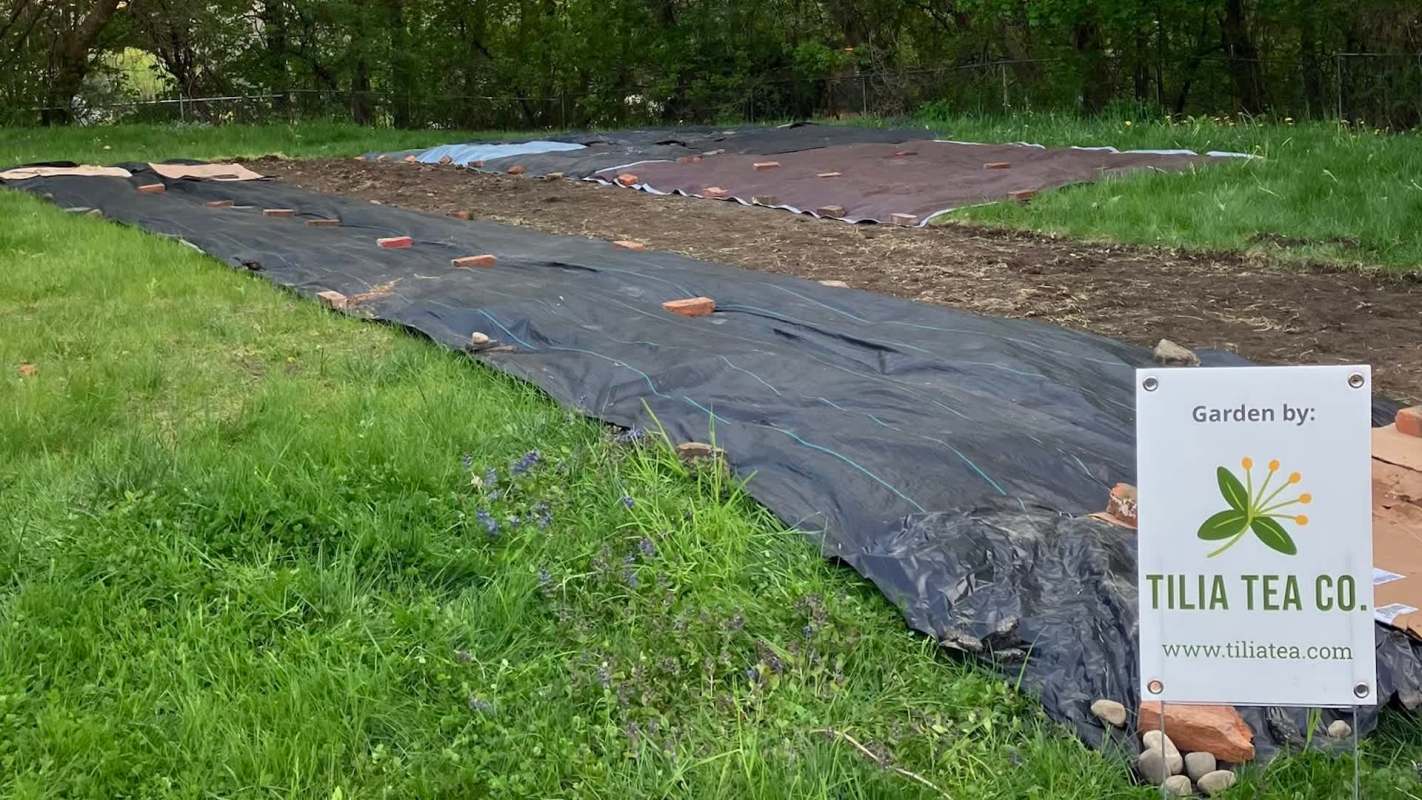
A land use dispute in Barre, Vermont, has grown into a city-wide debate about who should have a say in public land use after a tea-growing project was allowed to plant on a flood buyout parcel.
An attempt to improve a vacant city-owned lot is being used to ask bigger questions about public input, climate recovery, and what post-disaster land should become.
What's happening?
According to a story republished by Valley News, Tilia Tea Company owner Amber Collett Terway began growing herbs and flowers on a 0.3-acre city-owned property on Hilltop Avenue after getting approval from then-city manager Nick Storellicastro. The parcel had been empty since flood damage in 2011 led to the home there being condemned.
Some people living nearby said the microfarm took shape without enough notice to neighbors. Merrill Creagh, who lives next to the property, told city councilors: "One of the neighbors came to me and said, 'What's with the plastic?' And I was like, 'I don't know.'"
Supporters of the project, though, say it brings benefits beyond tea production by helping pollinators, improving a vacant lot, and aiding a local small business. Terway said her small plots grow tea herbs, edible flowers, and rain-absorbing plants while also making the site more visually appealing.
For Barre officials, the conflict has highlighted a procedural problem. A fair process is at the core of the dispute rather than the crop itself. Mayor Thom Lauzon said the city needs a clearer system for determining how flood buyout lots are used.
TCD Picks » Quince Spotlight
💡These best-sellers from Quince deliver affordable, sustainable luxury for all




Why does it matter?
Barre has approved more than 20 buyouts after major flooding events, including damage tied to 2023 flooding, leaving the city with a growing number of vacant parcels that, under federal rules, must remain undeveloped indefinitely.
That requirement is intended to reduce future flood risk, but it can also leave communities with empty lots, ongoing maintenance costs, and fewer opportunities to restore neighborhood life.
The disagreement underscores how easily tensions can emerge when there is no transparent process. In Barre, a project seen by some as an ecological improvement and small-business activity ran into neighbors who felt they had already helped define the lot's purpose in 2014.
Creagh said residents did not view the site as unused space at all: "Dog walkers, we all talk and (go) there, and so we didn't feel it was underutilized."
As more communities face climate-fueled flooding, they will need ways to reduce future disaster risks without shutting out residents or slowing efforts that could make neighborhoods greener, more welcoming, and more economically resilient.
What's being done?
Barre officials are using the episode to shape policy for future cases. The city council voted to create a committee that will develop a formal process for private use of public land, especially parcels obtained through flood buyouts.
Lauzon said the city should first focus on maximizing flood mitigation and then consider uses that benefit the community. "What I'd like to see happen is obviously maximize the flood mitigation value of the property, and then secondly, don't just leave it an ugly dirt lot," he said.
That could include parks, gathering areas, or carefully managed small-business uses, but only after neighbors are given a meaningful opportunity to weigh in. Lauzon described that goal this way: "Now, maybe I buy into your opposition, and maybe I don't. But you're sure going to have the opportunity to voice it."
Terway has said she tries to build community around her microfarms, including by hosting neighborhood tea parties. She has also drawn support from other residents and landowners.
"There's a lot of uses, and again, that's why you need the process," Lauzon said. Terway said demand for her products remains high: "I am barely keeping up with demand at this point, which is also I think a really lovely problem to have."

Get TCD's free newsletters for easy tips, smart advice, and a chance to earn $5,000 toward home upgrades. To see more stories like this one, change your Google preferences here.






