


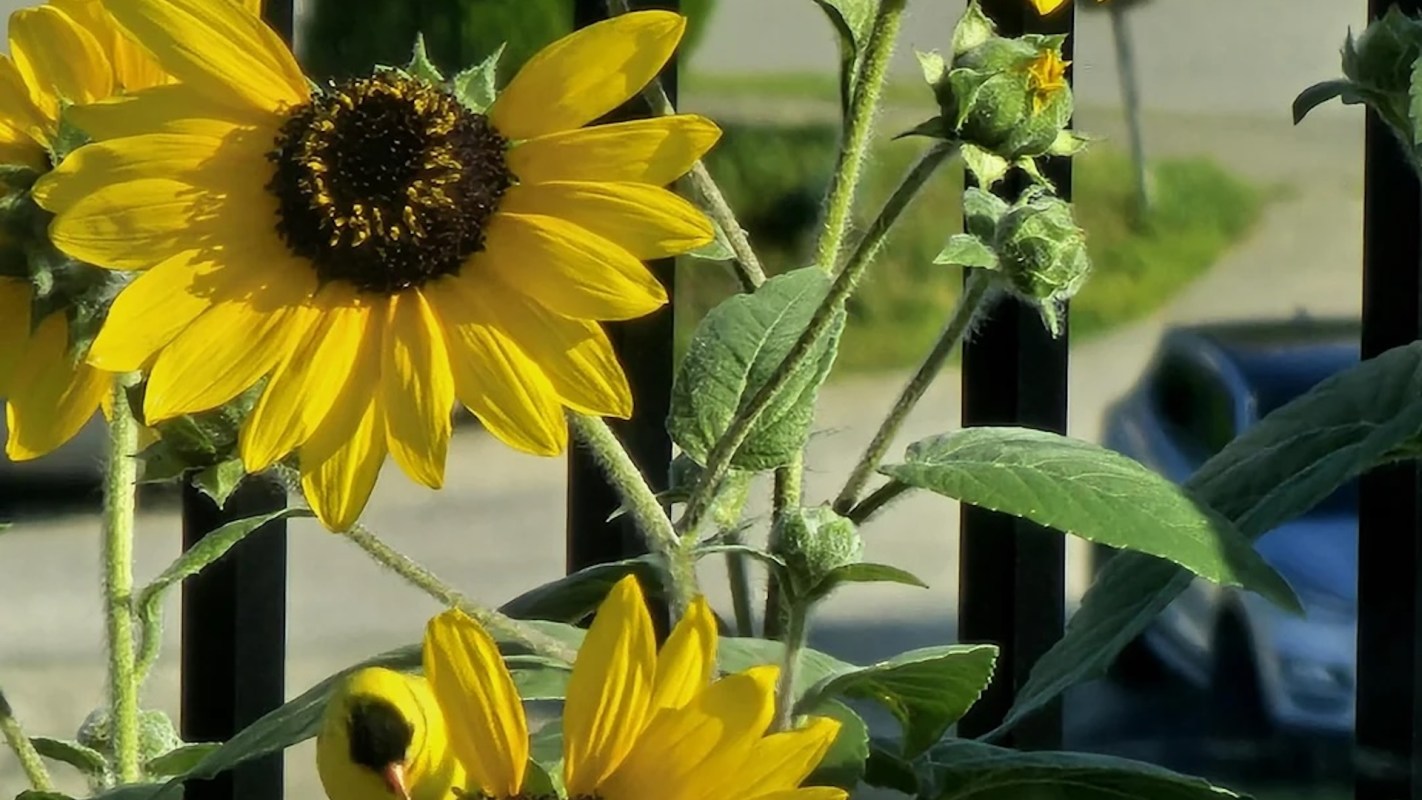
A New Hampshire balcony gardener who wanted to attract birds and pollinators discovered that goldfinches were pulling apart sunflower petals to get at the soft, not-yet-formed seeds.
What followed was a funny, surprisingly informative exchange about sharing a garden with wildlife.
What happened?
The discussion began in a post on Reddit, where the original poster wrote: "They like the almost-seeds of my sunflowers. And that's great — I want birds and bees to come to my garden. The problem is that they're yanking the petals from the flowers to get to the inside."
In the comments, the gardener said this was their first time trying a balcony garden after moving to the Granite State and noted that the sunflowers had been purchased as plants rather than grown from seed.
"I've tried talking to them, but they don't seem to care," they joked.
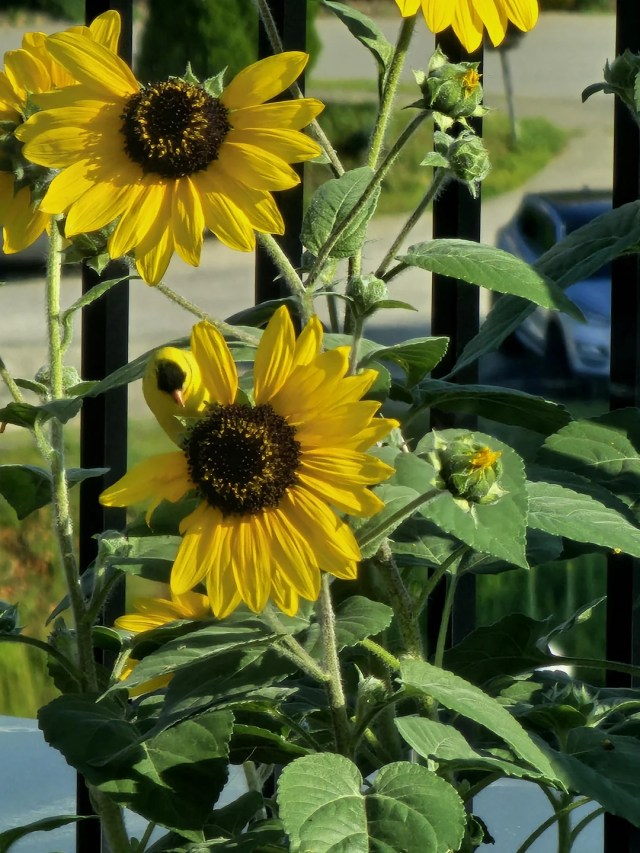
One commenter explained why the plants were so appealing to the birds.
TCD Picks » Quince Spotlight
💡These best-sellers from Quince deliver affordable, sustainable luxury for all




"Goldfinches target green sunflower seeds because they are granivores," they wrote. "... Fresh, green sunflower seeds are packed with fats and proteins. … Green, unripe seeds have softer shells that are much easier for their fine, conical beaks to pierce."
The conversation also widened into other wildlife stories.
Some people warned that squirrels can do even more damage, while others traded notes about feral parrots and monk parakeets in places including Chicago, San Francisco, New York City, and Tampa Bay, Florida.
Why does it matter?
Many gardeners face the same dilemma: You plant with nature in mind, and nature takes you up on the offer a little too enthusiastically.
A balcony garden can do more than brighten a small space. Gardening can help people save money on produce, enjoy fresher and better-tasting food, and support both mental and physical health through time spent outdoors and daily activity.
Even when a plant is ornamental, flowers such as sunflowers can provide real value for pollinators and seed-eating birds.
In this case, the "problem" was evidence that the tiny ecosystem was working.
Not every garden visitor is a pest to be eliminated. Sometimes, especially in wildlife-friendly spaces, the challenge is deciding how much you want to share.
What can I do?
Reply after reply pointed to the same basic solution: Grow more.
If birds are fixated on your sunflowers, some gardeners suggest planting enough that a few blooms can serve as a "sunny buffet" with still plenty left to enjoy.
For people who grow food, that mindset can reduce frustration. Starting small, staggering plantings, and building surplus into your garden plan can make it easier to share space with birds and pollinators while still bringing home herbs, greens, or vegetables.
If wildlife pressure becomes too intense, consider chemical-free options first, especially if your goal is to support bees and birds. Lightweight barriers, strategic placement, and companion planting can protect vulnerable plants without introducing harsh products.

Get TCD's free newsletters for easy tips, smart advice, and a chance to earn $5,000 toward home upgrades. To see more stories like this one, change your Google preferences here.






