A backyard garden does not have to cost much to start producing. One gardener is showing how a few inexpensive supplies, free community resources, and some patience can turn a bare patch of yard into a thriving food-growing space in just over two months.
What happened?
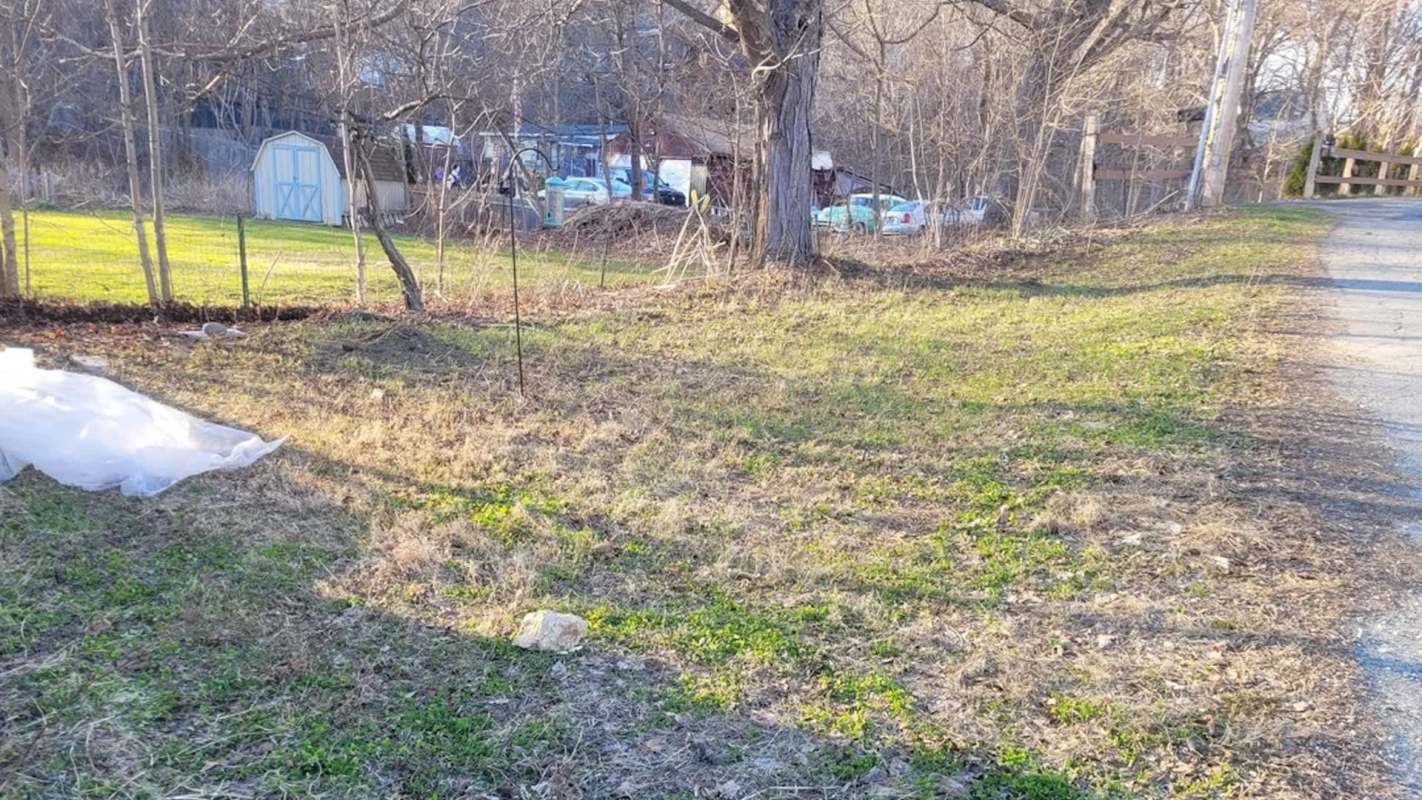
To show the progress, a gardener shared two photos on the Reddit forum r/gardening — one from April 8 and one from June 11 — revealing how much the space changed over a nine-week stretch.
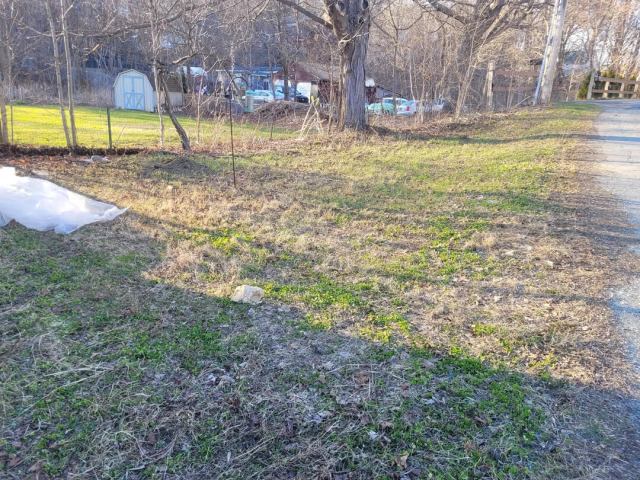
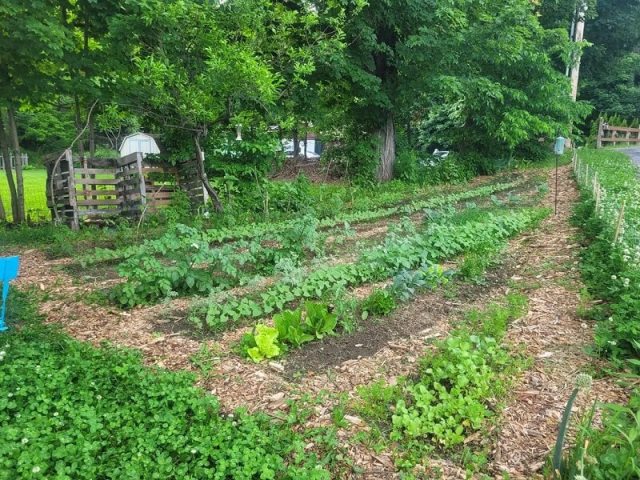
The Redditor wrote, "I spent $137 on an electric tiller, $20 on short fencing material just to keep people from letting their dogs pee on the strawberries, and less than $20 on a few seed packets." They added that the "Total of around $175 for garden startup this year" was enough to get the lush, expanding garden going.
Much of the garden was built with reused or shared materials instead of new purchases. Egg cartons served as seed-starting trays on a sunny windowsill, wood chips came from a town pile, and pallets were picked up from a nearby compost bay. For the remaining seeds and starts, the poster said they came from "the local library's seed collection, coworkers, friends, family, or neighbors."
"A lot can happen in 9 weeks," the gardener wrote.
Why does it matter?
Growing even part of your own food can help stretch a budget as grocery prices rise. Herbs, greens, and other vegetables can get expensive quickly at the store, while homegrown produce often tastes fresher because it can go from garden to plate in minutes instead of days or weeks.
TCD Picks » Quince Spotlight
💡These best-sellers from Quince deliver affordable, sustainable luxury for all




Gardening can also offer benefits beyond the harvest. Digging, planting, watering, and weeding provide light physical activity, while time spent outside can help people slow down and mentally reset. Even a small backyard plot or container garden can provide that mix of movement, routine, and satisfaction.
There is also a waste-reducing benefit. Reusing egg cartons, participating in seed swaps, and sourcing leftover materials locally can keep useful items in circulation instead of sending them to the landfill. Community seed libraries, neighborhood sharing, and free mulch piles can also make gardening more accessible for beginners who assume it will be too expensive to start.
What looked dramatic in the final photos was built gradually over those nine weeks.
What can I do?
If you have been thinking about starting a garden, the easiest approach may be to begin small and keep costs low. A few seed packets, some reused containers, and one sunny spot can be enough to get started. Local libraries, neighbors, and community groups may also offer free seeds, starts, or gardening advice.
Mulch and compost can make a major difference, too. As this gardener showed, low-cost or free materials such as wood chips and repurposed pallets can help build healthier beds while keeping expenses manageable.
You can also lower costs over time by skipping expensive chemical products and focusing on natural methods.

Get TCD's free newsletters for easy tips, smart advice, and a chance to earn $5,000 toward home upgrades. To see more stories like this one, change your Google preferences here.