


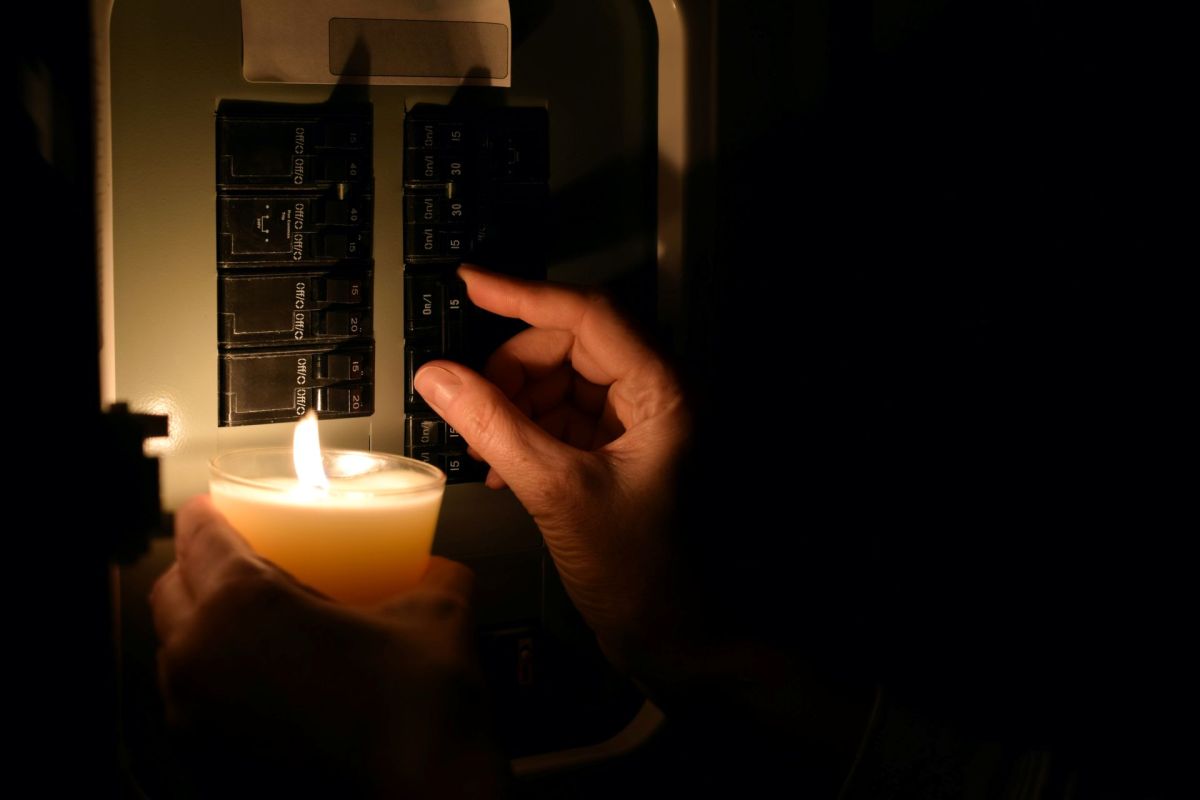
Across the United States, outages are becoming less of a brief annoyance and more of a planning issue. As blackouts stretch out for longer periods, many homeowners are starting to treat backup power as a practical resilience tool rather than a luxury.
Cheaper hardware is helping drive that change. In some situations, systems that would have cost about $10,000 in the past can now be assembled for under $1,500.
What's happening?
Last year, the average U.S. homeowner spent about seven hours without electricity, according to Hometown Station. In California, some Public Safety Power Shutoffs lasted for days, and the broader pattern is being reinforced by hurricane seasons in the Gulf and Southeast, ice storms in Texas, and wildfire-related power cuts in the West.
The report said backup power generally falls into two categories. A ready-made setup built around sealed LiFePO4 batteries and an inverter usually costs about $3,000 to $8,000 for roughly 5-10 kilowatt-hours, while a do-it-yourself system assembled from separate cells can bring that range down to around $1,000 to $3,000.
If you are not ready to build your own system from scratch, it may be worth exploring EnergySage's free tools to get information about home battery storage options, including competitive installation estimates. EnergySage has also teamed up with the electrification company Qmerit to guarantee you get the best price on home battery storage solutions.
Another option is Pila, which offers excellent battery backup choices. Its plug-and-play batteries cost a fraction of the price of a whole-home backup system.
Why does it matter?
One practical benefit of battery storage is that it can keep a home functioning during an outage. It can also reduce energy costs and move a household closer to going off-grid by keeping essentials such as refrigerators, lights, internet routers, phones, and well pumps running when the grid goes down.
Battery storage can also help even when the power stays on. Homeowners who pair batteries with solar can store electricity for later use, rely less on expensive peak-hour power, and add more flexibility to their monthly energy bills.
Crushed by your bills? See instant solar savings from vetted installers in just a few clicks With energy prices through the roof, there's never been a better time to go solar — and EasyHome can help you find the best prices from the best installers in your area. EasyHome takes the guesswork and headaches out of energy upgrades by showing you estimated savings from a network of vetted local partners. To get started, just enter your ZIP and share a few details about your home — seeing your estimate is really that easy. |

Battery storage also offers a direct path toward partial off-grid living without sacrificing modern necessities.
What can I do?
A good starting point is figuring out which devices actually need power during an outage. Hometown Station reported that many suburban households can get through a day with about 5-10 kilowatt-hours of usable storage if they focus on essentials rather than major loads like central air conditioning.
The price-and-time tradeoff is significant. A 5 kWh DIY 18650 setup may come in around $1,380 but take 30 to 40 hours to complete, while a similar drop-in LiFePO4 system may cost closer to $2,350 and be much quicker and easier to install.
Anyone thinking about the DIY path needs to treat safety as essential. The report highlighted cell-level fusing, a dependable battery management system, a ventilated enclosure, and spot welding rather than soldering directly to cells.
For many households, however, the easier answer may be a ready-made battery system that provides resilience without the steep learning curve.

Get TCD's free newsletters for easy tips, smart advice, and a chance to earn $5,000 toward home upgrades. To see more stories like this one, change your Google preferences here.






