


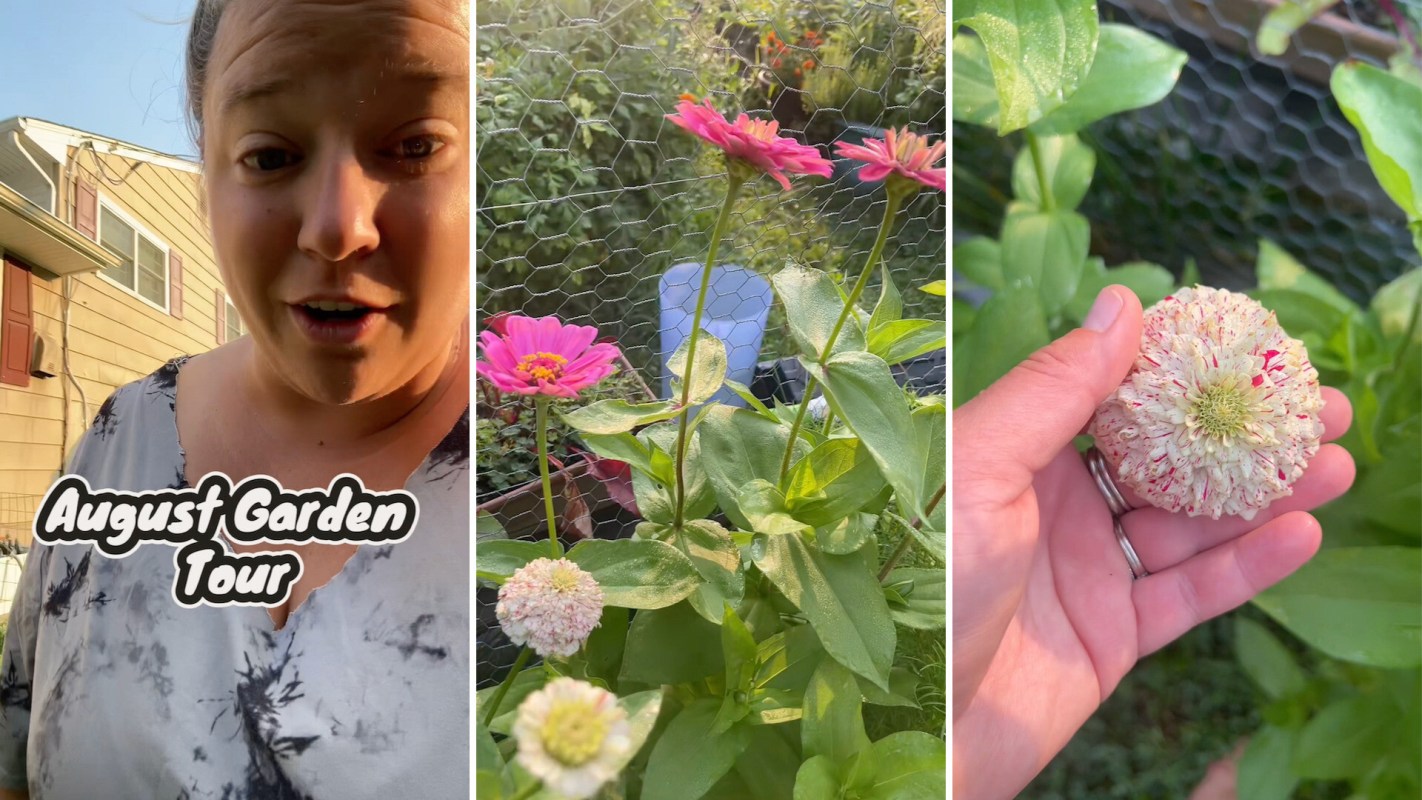
A late-summer garden can look unruly without meaning it is failing. A TikTok garden tour captured that in-between August stage with overgrown herbs, giant tomatoes, fading crops, and a small surprise waiting underground.
What happened?
In a video posted to TikTok, creator Katie Plants Plants (@katie_plants_plants) gave viewers a look at a late-season vegetable garden with giant tomatoes, baby potatoes, and a single squash plant still hanging on.
@katie_plants_plants The end of the season in the garden always looks a little crazy! Here's the August garden tour #goplantplants #gardentour2023 #homegarden #gardening #gardentips ♬ original sound - Katie Plants Plants
Several enormous tomatoes were hiding in the vines, one bed had been taken over by sage, and the remaining carrots were close to becoming "woody and kind of gross." Taking in the scene, the creator said, "I'm not gonna lie, it's looking rough."
There were also clear signs of transition. The creator said the fall garden had not yet been planted, and several beds were due for a reset because "things should be growing a lot better than they actually did because they're brand-new."
Some parts of the garden were still producing. After past pest trouble, the pumpkin patch felt like a success, with the creator saying she was "actually happy with how this has gone." The strawberry tower was putting out runners, the butternut squash were "looking great," and a volunteer potato yielded a tiny surprise harvest.
Viewers chimed in with advice and encouragement.
TCD Picks » Quince Spotlight
💡These best-sellers from Quince deliver affordable, sustainable luxury for all




One commenter suggested a fix for the overgrown sage: "Just cut the sage into longish stems and make a bunch, tie them up and hang somewhere warm, out of direct light and definitely not in the kitchen (greasy herbs are not it)."
Why does it matter?
Late-season gardens often look messy as spring crops fade, heat stresses plants, and growers begin preparing for fall planting.
But growing food at home can come with real benefits for consumers. Even a small garden can help households save money on produce, especially when it comes to frequently used items such as herbs, tomatoes, peppers, and squash. Homegrown food also tends to taste better because it can be harvested at peak ripeness instead of being picked early for shipping.
The creator's willingness to show imperfect beds, uneven yields, and pest-related frustration reflects a broader truth: Gardening is often less about perfection than about learning what works over time.
What can I do?
Starting with a few easy crops, such as basil, lettuce, tomatoes, or peppers, can make it easier to build confidence and reduce grocery costs over time.
Pull root vegetables before they get tough, harvest potatoes when plants are ready to be cleared, and preserve extra herbs by drying or freezing them. If a bed underperformed, it may be worth refreshing the soil with compost and trying again for fall.
Gardeners can also use this shoulder season to plan ahead. Fall crops such as kale, spinach, radishes, and collards can help extend the harvest and keep a garden producing longer.
As the creator put it, "It is okay to start over and sometimes you must."

Get TCD's free newsletters for easy tips, smart advice, and a chance to earn $5,000 toward home upgrades. To see more stories like this one, change your Google preferences here.







