


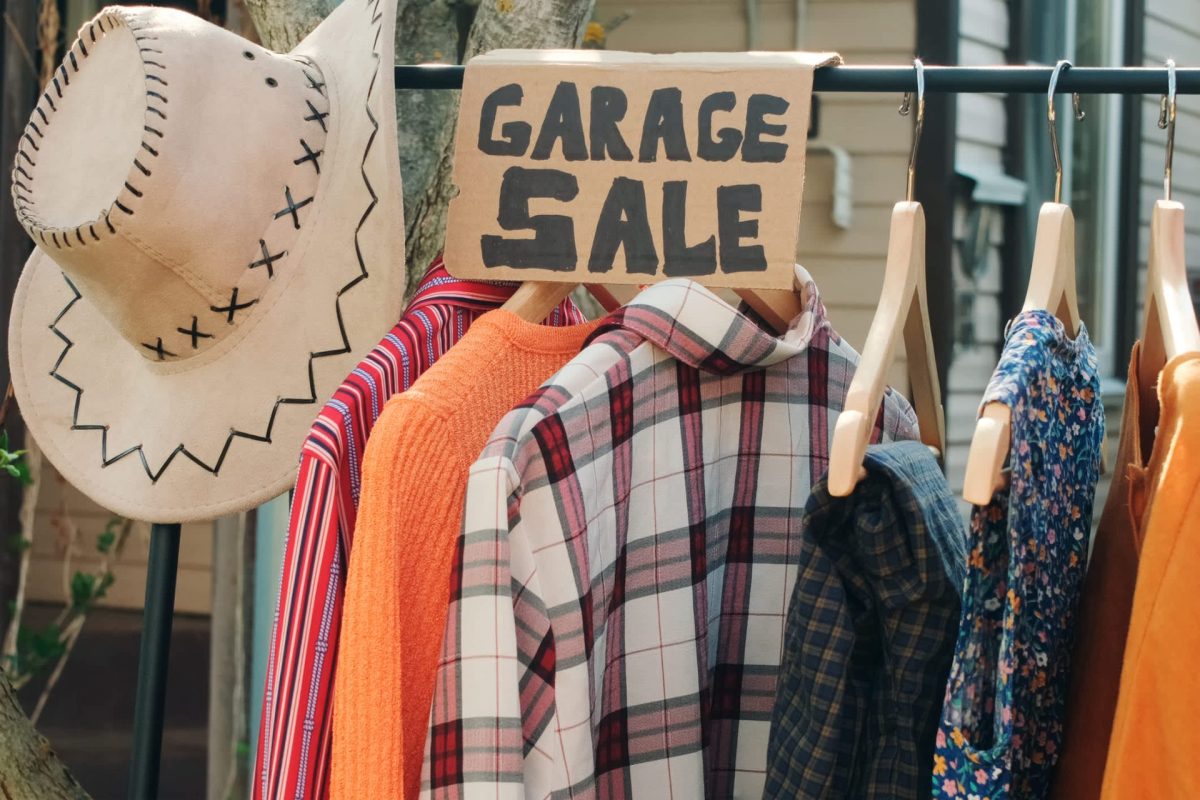
Some wise folk once said, "The best things in life are free." The second-best things come at an extreme discount at thrift or secondhand stores.
A thrifter took to Reddit to share a huge steal they got at a garage sale in France — an antique teak desk still in really good condition.
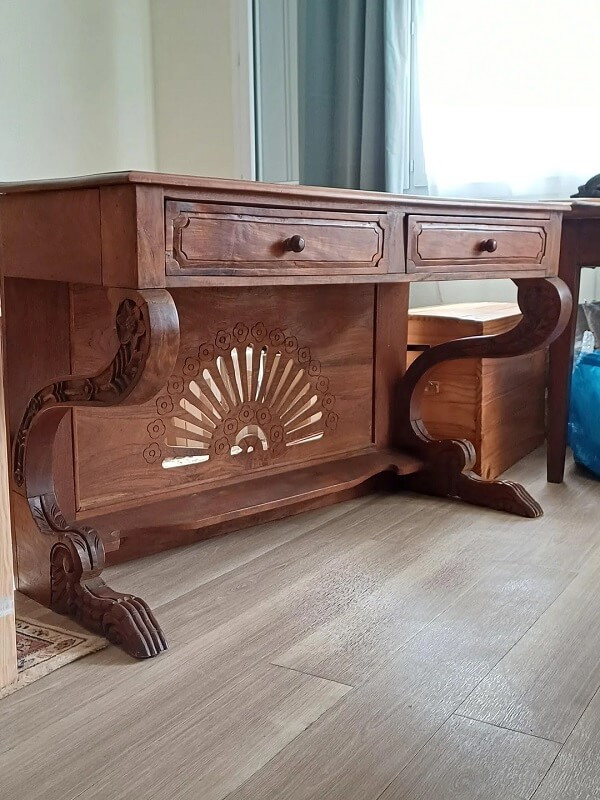
"Wow, that is stunning and so unique," another Redditor said.
The r/ThriftStoreHauls community was understandably in awe, and some were even jokingly jealous. "It's gorgeous! What a remarkable find, OP. You have great taste," one commenter said. "Also f*** you, respectfully, of course."
The original poster was amused and shared, "I still can't believe my luck."
You really can find some amazing gems at a steep discount going secondhand shopping, and it's beneficial for the environment too. One of the primary benefits of thrifting is the significant cost savings. Purchasing secondhand items often comes at a fraction of the price, like this gorgeous couch, vintage Nikon camera, and various clothes.
TCD Picks » Quince Spotlight
💡These best-sellers from Quince deliver affordable, sustainable luxury for all




Thrifting plays a crucial role in environmental conservation. By giving pre-owned items a new life, shoppers reduce the demand for new production, ultimately conserving resources and minimizing pollution. According to the University of Colorado Boulder's Environmental Center, thrifting can help keep unwanted and used clothing out of landfills. This reduces textile waste, which has a significant carbon footprint.
Clothes and shoes can take decades, or even centuries, to decompose. According to RoadRunner, some textiles can take over 200 years to decompose, much like plastic, gradually breaking down into smaller pieces. As the textiles deteriorate, they can emit harmful gases into the air and release toxic chemicals and dyes into the soil.
Whether you're at a thrift store or simply checking out your local garage sale, your finds are not only a win for you, they're a win for the environment, too.
|
What's your primary motivation in shopping at thrift stores?
Click your choice to see results and speak your mind. |
 Cheaper clothes 🤑
Join our free newsletter for easy tips to save more and waste less, and don't miss this cool list of easy ways to help yourself while helping the planet.






