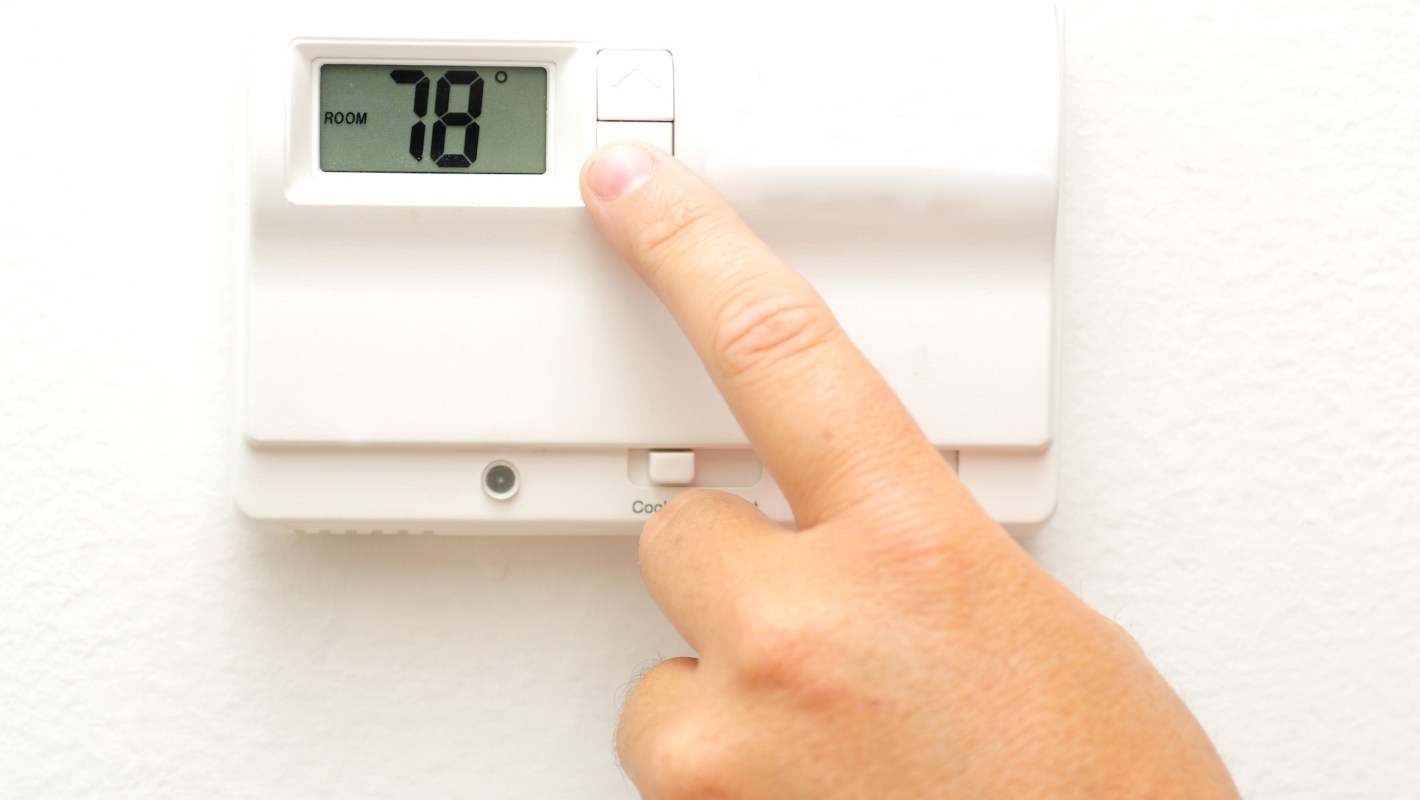
With parts of Illinois expected to reach 110 degrees Fahrenheit this week, many residents are preparing for dangerous conditions. But experts have said sending the air conditioner to its lowest setting is not necessarily the best way to stay comfortable or keep costs in check.
What's happening?
The National Weather Service has warned that some parts of Illinois will reach 105 to 110 degrees through Thursday, prompting concerns about both health risks and heavier electricity use.
As The Register-Mail noted, many households are searching for the fastest way to cool their homes during the extreme heat.
That often means turning the thermostat way down, but experts noted that it is not always the most effective option. Instead, federal guidance recommends controlling for humidity.
EnergyStar, which promotes energy efficiency under an Environmental Protection Agency program, says setting your AC to 78 degrees is a good balance of comfort and efficiency.
When no one is home, Energy Star recommends setting the thermostat about 7 degrees higher. If you're gone for 8 hours per day, this can save you up to 10% per year on heating and cooling.
TCD Picks » Good Store Spotlight
Get 10% off your next purchase with code TCD10


Why does it matter?
During a heat wave, air conditioners can run for long periods, and that can drive monthly utility bills higher at a time when they are already rising.
Even a small thermostat change can reduce unnecessary energy use without sacrificing comfort. By following Energy Star's guidance, you can keep indoor conditions manageable instead of pushing an AC system to run harder than needed.
Comfort is also about more than just the number on the thermostat. For example, if air leaks in your home are making rooms feel warm and sticky, you'll essentially be paying more for less cooling capabilities.
What else can I do?
Experts have also cautioned against turning your unit off completely, because cooling the house again later can make the system work harder, according to The Register-Mail.
Using curtains to block heat from the sun, as well as caulking or weather-stripping around windows, doors, and baseboards to seal any air leaks, can also help keep costs down and rooms more comfortable.
Limiting extra heat inside the house can make a big difference, too, which means using the stove or oven less or even leveling up to induction cooking. Meanwhile, fans can move cooled air around a space, but experts have cautioned against using them as "a sole cooling device," per The Register-Mail.
Ultimately, all of these small changes can add up to make rooms feel less oppressive during heat waves.

Get TCD's free newsletters for easy tips, smart advice, and a chance to earn $5,000 toward home upgrades. To see more stories like this one, change your Google preferences here.