


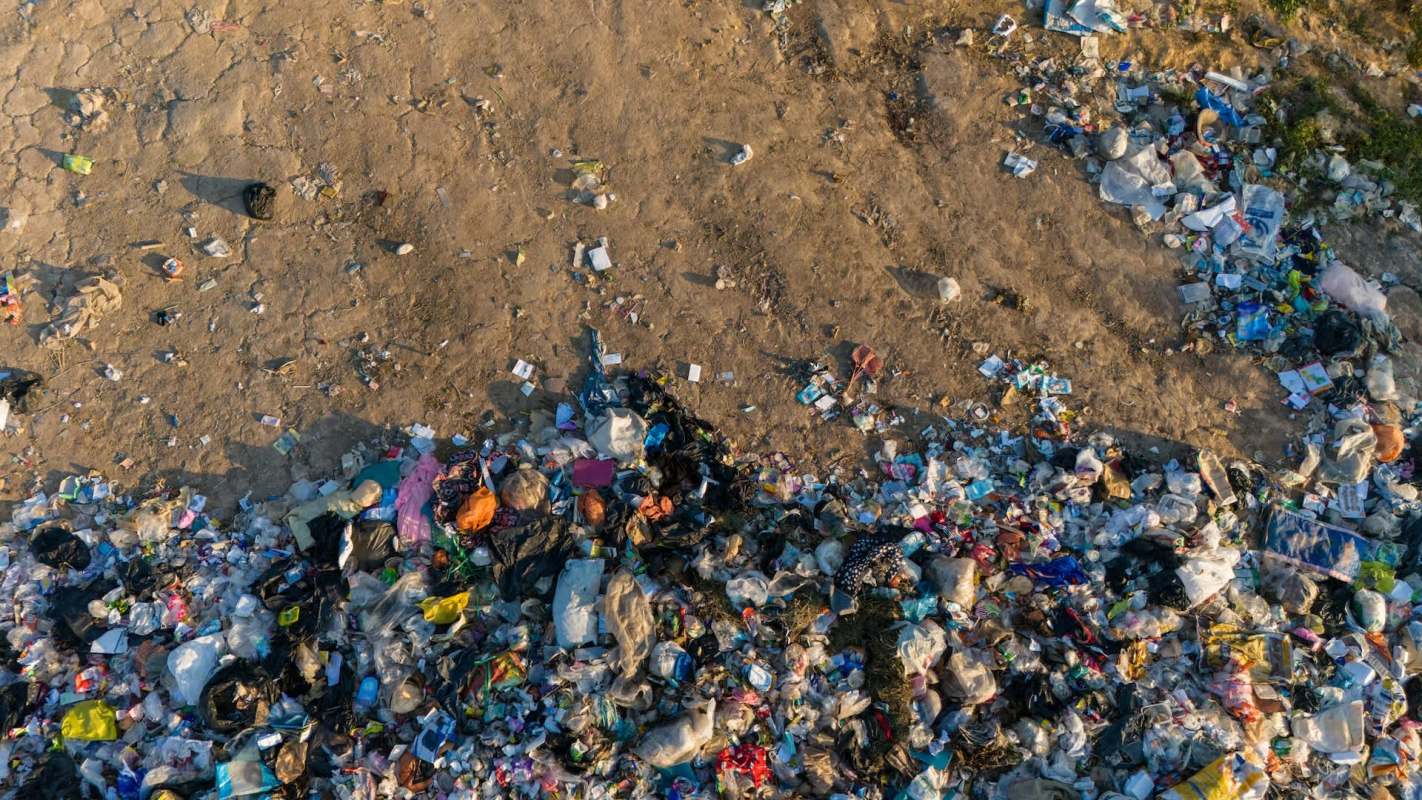
A new report determined that a shocking level of landfilled material is avoidable food waste, according to Wisconsin Public Radio.
What's happening?
The Wisconsin Department of Natural Resources commissioned an extensive investigation into food waste in the state in 2024.
On Tuesday, it made its findings public in a presentation, and they were startling.
A previous study, conducted in 2020 and 2021, found that 854,000 tons of food waste were landfilled annually in the Badger State, a figure that leapt by 5.4% to 900,000 in 2024.
The WDNR determined that, in 2020 and 2021, 294 pounds of food per person per year ended up in landfills. That rose to just over 300 pounds in the 2024 study.
ReFED, a nonprofit that works to reduce food waste, estimated that a scant 72,000 tons of food was donated to Wisconsin food pantries in 2023. The organization identified logistical hurdles "preventing many organizations" from diverting more food waste.
Perk up the winter blues with natural, hemp-derived gummies Camino's hemp-derived gummies naturally support balance and recovery without disrupting your routine, so you can enjoy reliable, consistent dosing without guesswork or habit-forming ingredients. Flavors like sparkling pear for social events and tropical-burst for recovery deliver a sophisticated, elevated taste experience — and orchard peach for balance offers everyday support for managing stress while staying clear-headed and elevated.
Learn more → |

For the 2024 study, the WDNR teamed up with environmental consultancy HDR. HDR solid waste manager Amanda Erickson explained that frustrating disconnect.
"Oftentimes they face logistical challenges, which could include storage, space, funding, personnel. Sometimes it's as simple as transportation logistics or a lack of understanding from businesses about what outlets are available in their community," Erickson said.
Why is this concerning?
The WDNR studies found that food waste spiked over 5% in less than five years, a worrying trend.
A September 2024 report by the Center on Budget and Policy Priorities determined that in 2023, food insecurity in the United States rose for the second year in a row. In 2025, the federal government stopped tracking those figures.
TCD Picks » Upway Spotlight
💡Upway makes it easy to find discounts of up to 60% on premium e-bike brands




|
What's the most you'd pay per month to put solar panels on your roof if there was no down payment?
Click your choice to see results and speak your mind. |
 $200 or more 💰
 Nongovernmental organizations such as Feeding America continued, however, and the group estimated that 1 in 8 Wisconsinites were food-insecure.
For children, that figure was 1 in 6.
Food waste is a complex problem, and hunger isn't the only issue. WPR cited EPA data indicating that landfilled waste was the third-largest source of planet-warming pollution.
According to the Food and Drug Administration, 30-40% of the American food supply is wasted each year, going either unsold or uneaten.
As WPR noted, the Environmental Protection Agency indicated that food waste costs a family of four $56 per week on average. That's nearly $3,000 in wasted food each year.
What's being done about it?
Wisconsin set a goal of reducing food waste to 50% of 2020 levels by 2030 and is looking to divert much of that food to residents in need.
Food waste is a global problem, and individuals can help by shopping strategically, getting creative with leftovers, and composting food scraps.

Get TCD's free newsletters for easy tips to save more, waste less, and make smarter choices — and earn up to $5,000 toward clean upgrades in TCD's exclusive Rewards Club.
Cool Picks





