


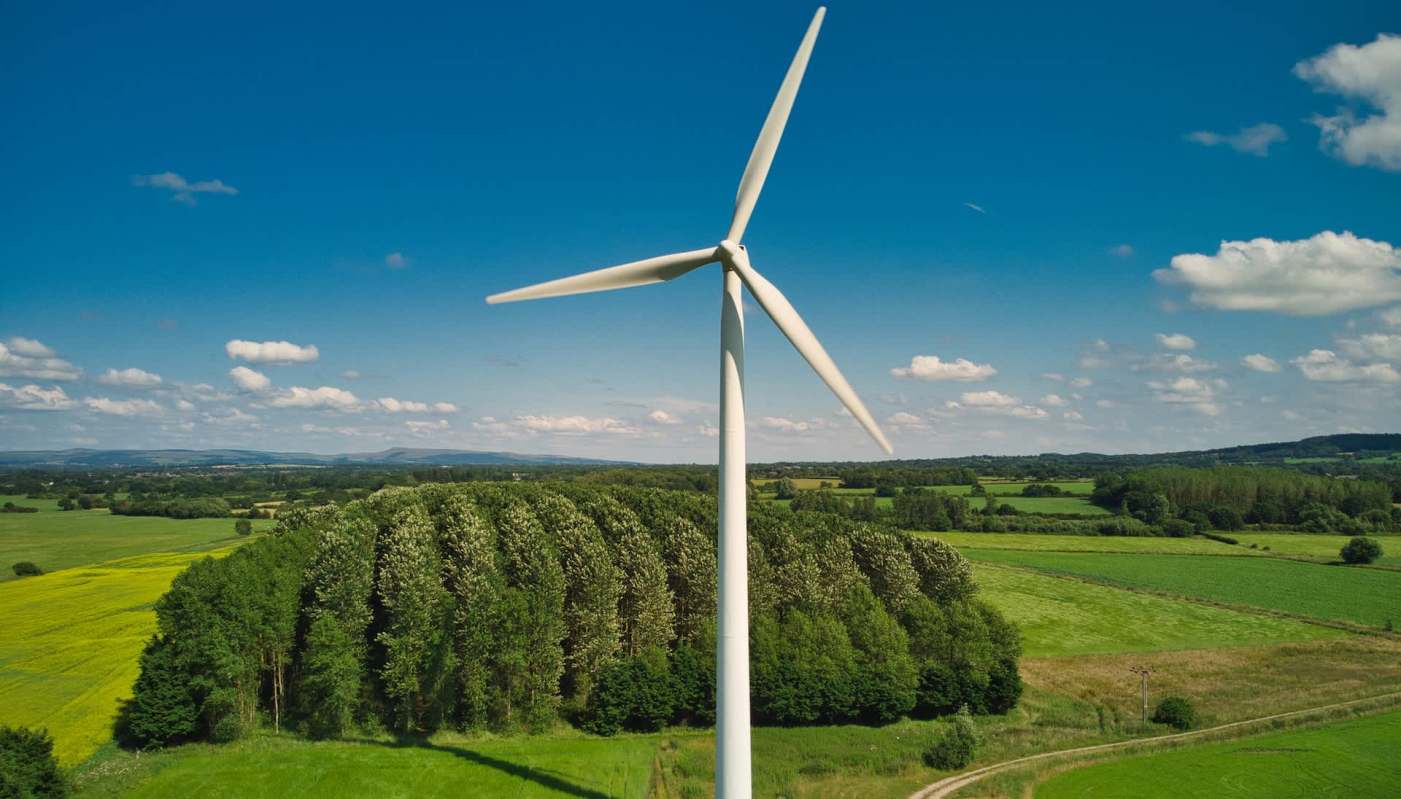
Wind turbines work properly in cold weather, contrary to social media posts that claim they fail when temperatures drop.
An X post from July 2025 received more than 100,000 views while incorrectly claiming wind turbines "don't even work when it's cold." This false statement recirculates each time winter storms cause grid outages.
Wind turbines function properly in freezing conditions. According to Science Feedback, about three in ten wind turbines worldwide are located in cold climates.
The U.S. and countries in northern Europe host most of these installations. The majority operate reliably through winter.
Cooler temperatures help turbines perform better in certain respects. Lower temperatures make air heavier, which spins turbine blades more effectively.
Blades can collect ice when the thermometer reads below 32 degrees Fahrenheit. This ice alters how the blades catch wind and lowers efficiency.
Turbine manufacturers have dealt with this issue for decades. Today's turbines include heating systems that stop ice from forming on blades. These systems either push heated air through internal channels or rely on heating elements woven into the blade structure.
"The technology is there, it's mature," said Richard Hann, senior researcher at the Norwegian University of Science and Technology, per Science Feedback. "You can buy it off the shelf. It's a little like, if you buy a car, adding AC or something like that, you just add a cold climate package to it. So that's not a problem."
Blade warming consumes roughly 2% of each turbine's annual output.
Understanding how wind turbines actually perform helps you make informed decisions about energy policy and combats misinformation about cleaner energy. Cold weather creates challenges for every kind of power generation facility, including those that rely on dirty fuels.
TCD Picks » Quince Spotlight
💡These best-sellers from Quince deliver affordable, sustainable luxury for all




|
Where should we be building the majority of our wind farms? Click your choice to see results and speak your mind. |
 Hilltops ⛰️
 A 2021 blackout in Texas saw natural gas plants represent 58% of generation losses. Natural gas output in Texas dropped 70% as equipment iced over and delivery systems failed.
Denmark relies on wind turbines for much of its winter power supply. Across the U.S., wind facilities generate more electricity during colder months compared to warmer ones.
If you see claims about renewable energy failures, check multiple sources before accepting them as fact. Contact your elected officials to support policies that expand reliable clean energy options in your community.

Get TCD's free newsletters for easy tips to save more, waste less, and make smarter choices — and earn up to $5,000 toward clean upgrades in TCD's exclusive Rewards Club.
Cool Picks






