


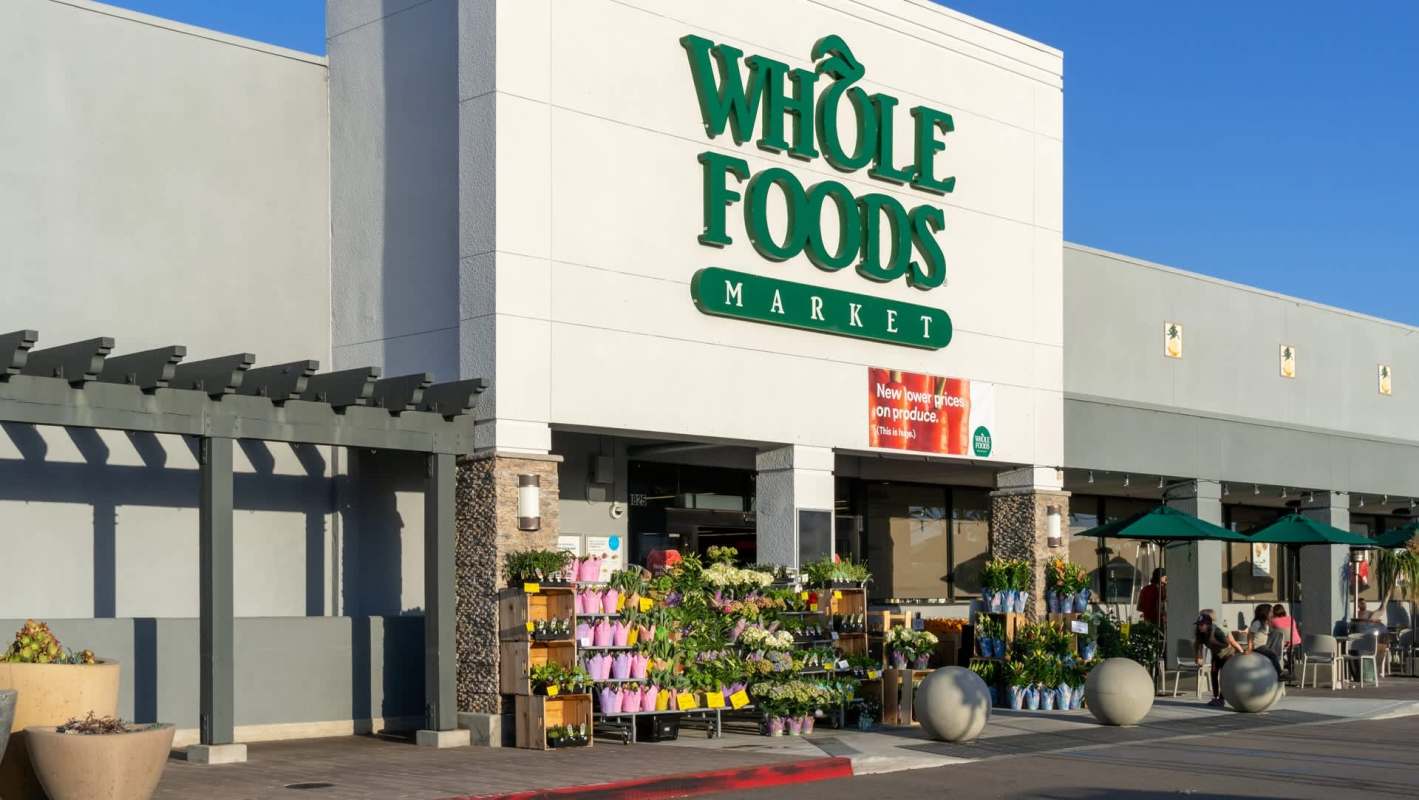
Around 119 billion pounds of food is thrown away each year in the United States, according to Feeding America, and much of it comes from homes and grocery stores.
The waste goes straight to the landfill and is a driver of climate pollution and rising food prices. Now, Whole Foods said it's adding an in-store system designed to reshape how food waste is handled, as reported by Axios.
According to the report, climate-tech startup Mill created an "AI-supercharged" food recycler that dehydrates and grinds food into a compostable material. Fruit and vegetable scraps will be turned into chicken feed that will help Whole Foods produce its own eggs.
"This is something we've envisioned from the start: building a circular loop," Mill co-founder and CEO Matt Rogers told Axios.
Amazon, which owns Whole Foods, is partnering with Mill and has made an undisclosed investment in the company, according to Axios. Rogers said the recycler can reduce food waste volume by up to 80%, while saving money and reducing pollution. Food waste is responsible for 8-10% of heat-trapping pollution, according to the UN, largely because it releases methane as it breaks down.
Rogers told Axios that Mill's AI recyclers allow retailers to actively track what foods are going to waste the most in real time, implying the data-driven approach is key to making waste reduction practical inside existing store operations.
Other major grocery chains are also experimenting with upgrades aimed at cutting waste and improving efficiency, too. Trader Joe's, for example, has reduced plastic packaging and in-store systems to reduce both plastic use and operational waste. These upgrades can influence long-term costs and supply chains while helping the environment.
The Whole Foods partnership is the first time Mill has expanded from homes and offices into grocery stores. Although difficult, according to Rogers, if widely adopted, waste could be less of a driver for pollution and more of a driver for sustainable production.
"Waste is one of the largest sectors of the economy that most folks in our industry overlook," Mill co-founder and CEO Matt Rogers told Axios.
Everyday shopping habits can also influence how much food and material waste grocery stores generate. Shopping a little more efficiently by choosing only what you're likely to use and being mindful about impulse buys can help cut down on food waste. Bringing reusable bags instead of relying on single-use plastics can further cut down waste and pollution.
TCD Picks » Quince Spotlight
💡These best-sellers from Quince deliver affordable, sustainable luxury for all




|
What's your biggest motivation in trying to reduce your personal food waste?
Click your choice to see results and speak your mind. |
 Saving money 💰
Get TCD's free newsletters for easy tips to save more, waste less, and make smarter choices — and earn up to $5,000 toward clean upgrades in TCD's exclusive Rewards Club.
Cool Picks




