


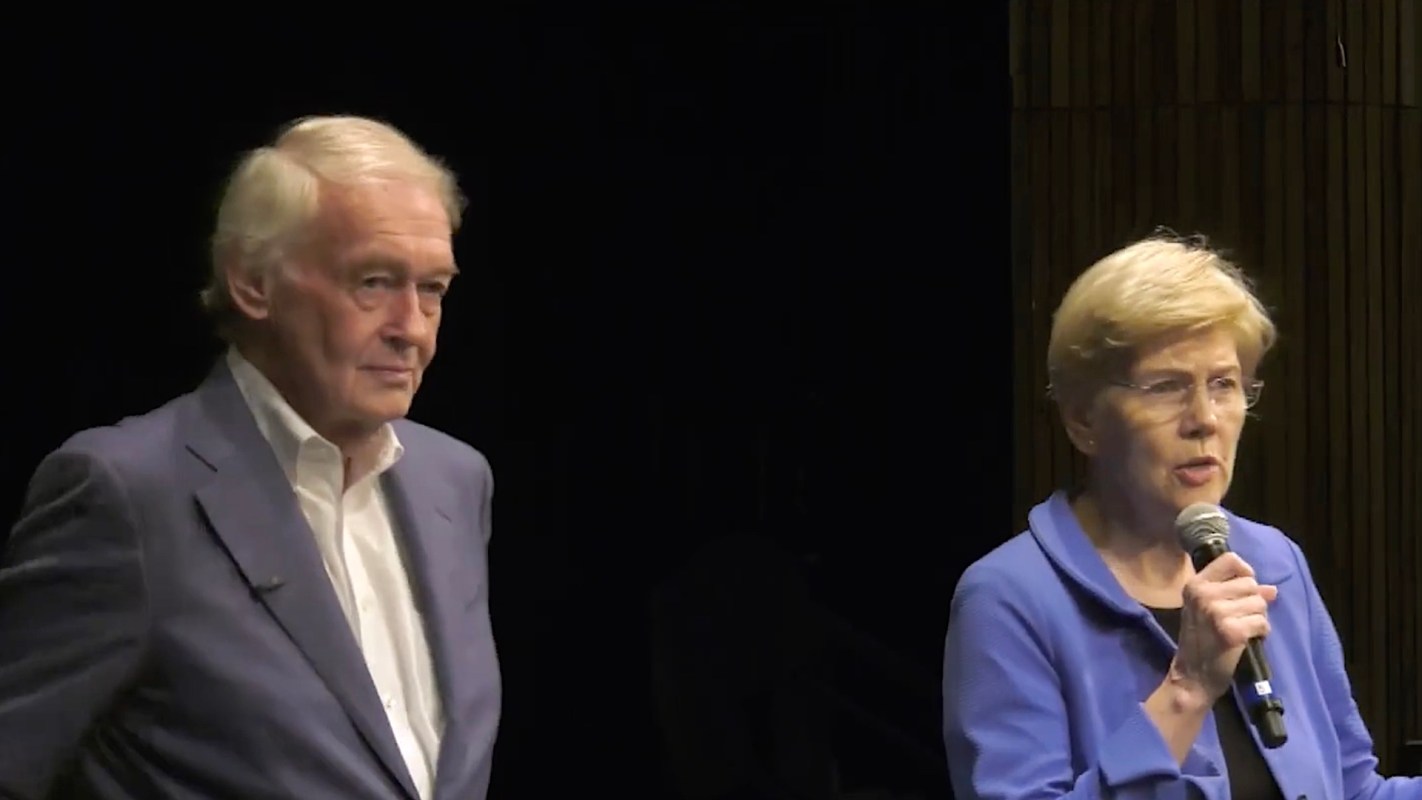
Hundreds of western Massachusetts residents packed a town hall at Holyoke Community College on Aug. 15.
The event turned frustration over everyday expenses into a direct appeal for answers from national leaders, as Western Mass News reported.
Here's what to know
Residents came out in force in Holyoke to hear U.S. Sens. Elizabeth Warren and Ed Markey talk about affordability and the economic pressures affecting their communities.
The senators framed the town hall around rising living costs and urged attendees to keep using their voices, the station said.
With grocery bills, housing payments, health care costs, and utility rates continuing to strain household budgets, Warren and Markey focused the event on unanswered questions about why the cost of living continues to rise.
Warren centered part of her speech on President Donald Trump, arguing that his pledge to bring down prices had not been realized, as Western Mass News detailed.
TCD Picks » Quince Spotlight
💡These best-sellers from Quince deliver affordable, sustainable luxury for all




She said he "promised to deliver lower costs on day one," in her speech.
"Well, we're at day 500 and it feels like 10,000," she added.
According to the station, she also referenced immigration issues and the war in the Middle East. She also cited Trump's ballroom plans, which she said could cost hundreds of millions of dollars.
Warren further cast that proposal as a sign of corruption in an administration that is governing while many people struggle to pay for basic needs, Western Mass News noted.
More background
The town hall laid bare public anger over the gap between political promises and daily reality. For many households, the cost-of-living crisis is not an abstract policy debate. It shows up at the gas pump, in the grocery aisle, on rent checks, and in monthly utility bills.
The contrast Warren drew between rising household expenses and a possible ballroom project also speaks to broader frustration that is forming a national pressure point.
When affordability worsens, it can affect everything from health outcomes to housing stability to how much breathing room families have in their budgets.
What can be done?
The town hall itself was one response, which can galvanize more political participation. Warren and Markey used the event to invite public input rather than asking residents to simply absorb rising prices in silence.
Showing up at town halls, contacting elected officials, and tracking how public money is being spent are practical ways to push affordability higher on the agenda, especially when leaders campaign on lowering costs.
On an individual level, residents may not be able to control national prices, but they can document how rising expenses are affecting their households and bring those concerns directly to local, state, and federal representatives. Specific stories about rent, food, medical bills, and utilities often carry more weight than generalized frustration.
As Western Mass News captured, Warren's closing critique appeared to capture the mood in the room as the crowd joined in.
She asked: "And where are the costs of groceries? Up! Where's the cost of gasoline? Up! Where's the cost of health care? Up! Where's the cost of utilities? Up! Where's the cost of housing? Up! Up! Up! Up!"

Get TCD's free newsletters for easy tips, smart advice, and a chance to earn $5,000 toward home upgrades. To see more stories like this one, change your Google preferences here.







