


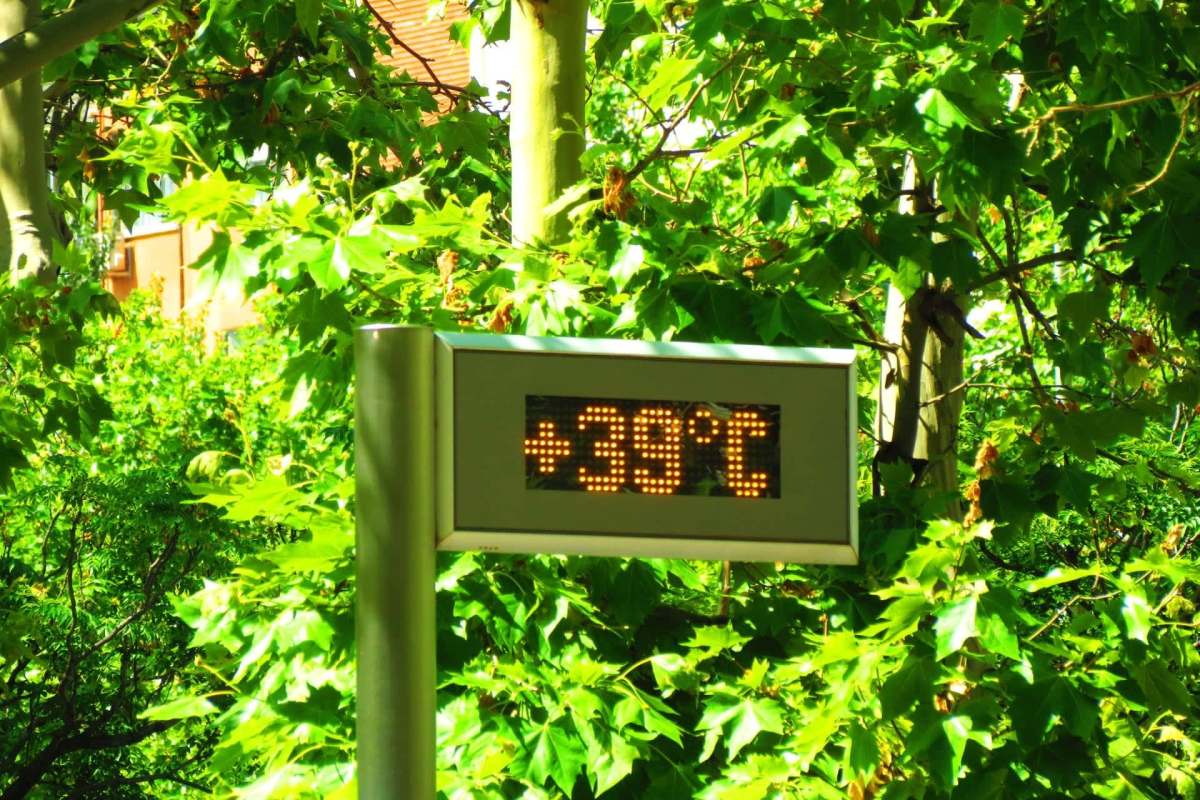
Record June heat in western Europe is having effects beyond the thermometer.
Across the EU, households are using far more air conditioning, which is pushing up electricity demand and wholesale power prices.
What's happening?
According to Copernicus figures reported by Euronews, June 2026 was the warmest June ever measured in western Europe and the second-warmest worldwide. As temperatures climb, household demand for cooling is rising sharply across Europe.
EU households reportedly used 80.4 thousand terajoules for cooling in 2024, a 99% increase from 40.5 thousand terajoules in 2018. In 2010, that cooling figure was just 15.5 thousand terajoules, putting the 14-year increase at around 420%.
Growth has been especially dramatic in countries where air conditioning was less common before. Austria saw cooling energy use surge from 22 to 253 terajoules between 2018 and 2024, a rise of more than 1,000%, while Czechia increased 244% and Italy 193%.
By share of household energy use, Cyprus devotes the most to cooling at 16%, followed by Malta at 15% and Albania at 13.4%. All in all, Italy leads the EU with 26.3 thousand terajoules, nearly one-third of the bloc's total.
TCD Picks » Quince Spotlight
💡These best-sellers from Quince deliver affordable, sustainable luxury for all




Why does it matter?
As heatwaves grow longer and more intense, air conditioning is becoming a regular need rather than an occasional comfort in many places. As June heatwaves spread, electricity demand jumped across the EU's four largest economies and caused wholesale power prices to rise. In Germany, prices reached €200 ($230) per megawatt-hour, as Euronews noted.
Spikes in wholesale electricity prices usually take time to show up in household bills, but extended increases can still filter through to retail rates.
For families already under pressure from summer energy costs, that can force a difficult balance between staying cool enough under worsening extreme heat and keeping bills manageable.
Europe is heating up at about twice the global average, making it the fastest-warming continent. Extreme heat increases the risk of dehydration and illness, especially for older adults, children, outdoor workers, and people without reliable access to cooling.
It also threatens community safety by straining power grids during peak demand and undermines economic stability when households, businesses, and public services face higher energy costs and lost productivity.
What's being done?
Part of the solution is reducing how much energy homes need in the first place. Improved insulation, window shading, reflective roofs, and more efficient cooling equipment can all help homes stay comfortable without putting as much pressure on the grid.
At the household level, people can lower costs by using blinds or curtains during the hottest parts of the day, running fans when possible, setting air conditioners efficiently, and avoiding the use of large appliances during peak evening hours. For renters or homeowners replacing older systems, high-efficiency units or heat pumps can provide cooling with less energy use.
Communities and governments also have a role to play. Expanding cleaner electricity, modernizing grids, supporting home-efficiency programs, and maintaining public cooling centers can all help people stay safer during heatwaves.

Get TCD's free newsletters for easy tips, smart advice, and a chance to earn $5,000 toward home upgrades. To see more stories like this one, change your Google preferences here.






