


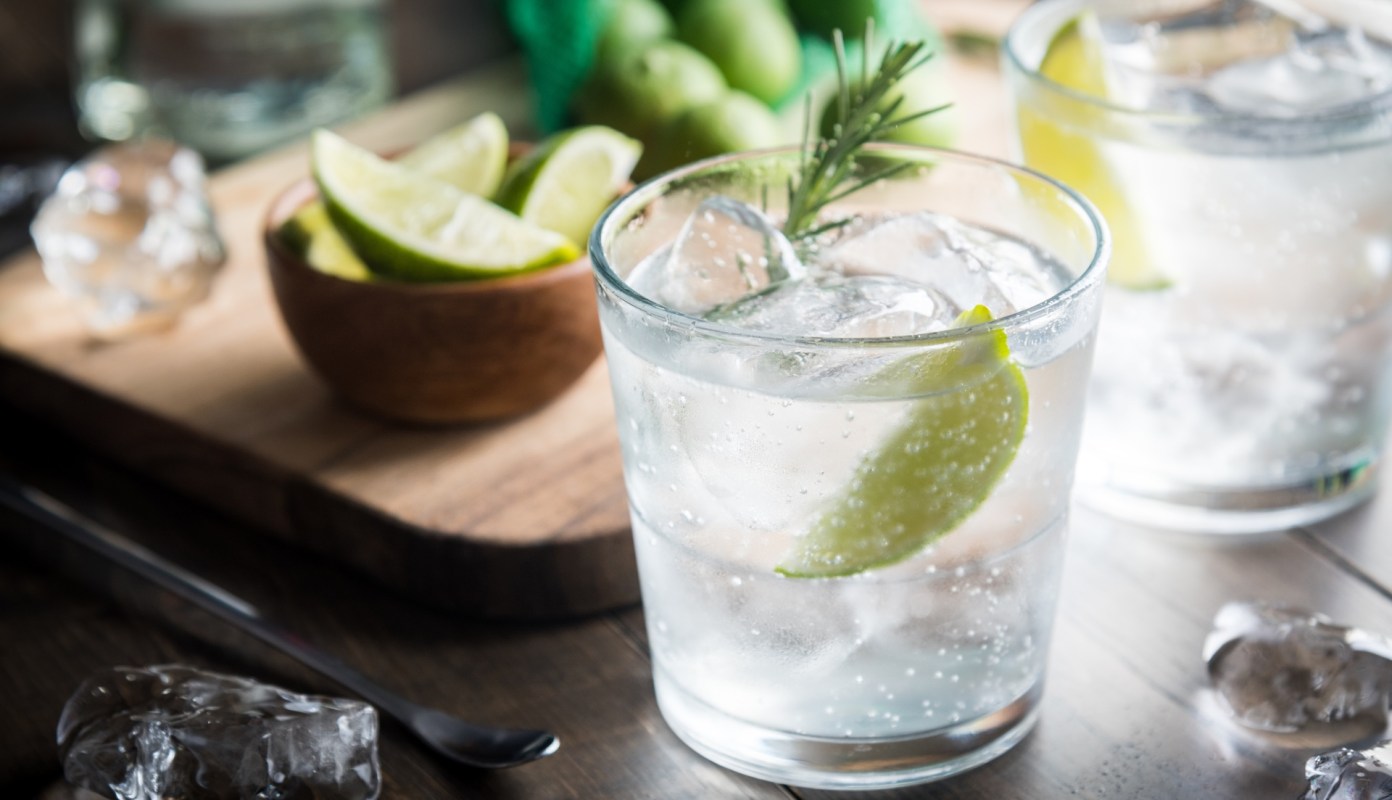
An observation about the paper-making process led Ryuji Nukata to make Tropical Citrus, the best-flavored gin at the 2023 World Gin Awards, The Straits Times reported.
When Nukata moved from Japan to Cambodia, he wanted to launch a paper and clothing recycling company. He had worked in textiles and learned how paper was made as his company developed.
Enter: ethanol. It's a byproduct of paper recycling and the base of gin.
Nukata realized that he could pivot and instead make a drink that sourced this organic compound straight from the local environment.
While the water hyacinth is beautiful, it's overabundant in Cambodia and other parts of Southeast Asia. Saigoneer reported that scientists and travelers brought the plant over from South America between the 16th and 20th centuries. Now established throughout Africa, Europe, and Asia, it grows rapidly and thrives in polluted water.
Fortunately, Nukata and others are turning to creative ways to manage the plant and keep the environment balanced. Nukata burns dried water hyacinths to create the ethanol needed to make his gin.
"It was trial and error many times," he told the Times.
And those mistakes created one of the world's tastiest drinks.
On top of the water hyacinths, Nukata uses other local plants, such as Battambang oranges, makrut limes, and kumquats in his gin. The drink comes in recycled teal-green bottles that can be repurposed into carafes or vases.
Nukata isn't the only person to upcycle materials for drinks in Cambodia's capital of Phnom Penh, either.
TCD Picks » Upway Spotlight
💡Upway makes it easy to find discounts of up to 60% on premium e-bike brands




|
What's the most you'd pay per month to put solar panels on your roof if there was no down payment?
Click your choice to see results and speak your mind. |
 $200 or more 💰
 Tania Unsworth and Marco Julia Eggert, a couple from the United Kingdom and Spain, are working on a cashew fruit brandy. Their company, Seekers Spirits, started saving the liquid that comes from the fruit instead of throwing it out.
The brandy is a welcome addition to their collection of drinks, which include Mekong Dry Gin, Pandan Negroni, and Lychee Martini. It's also a neat innovation that minimizes food waste.
Kampot red pepper rum has been successful in the area as well. Daniel Pacheco and Antonio Lopez de Haro of Venezuela and Cambodian master distiller Darachampich Moang came together to develop the drink. Most of it is made using solar power.
"The hot, humid climate creates ideal conditions for rum maturation, allowing rich and complex flavours to naturally develop in our spirits," Moang said.
By using the plants and climate around them, these entrepreneurs have prospered. While it's unclear whether other companies will adopt similar habits, their work is having an impact.
Others in Cambodia are accomplishing a lot while reducing waste, too. The Foundation for International Development/Relief Cambodia has helped people turn food scraps into compost. Another company based in Phnom Penh, run by entrepreneur Has Kea, upcycles plastic bottles into durable brooms.
All these actions reduce waste, save money and resources, and contribute to a healthier environment for Cambodians. Taking action in your community could have a similar effect.

Get TCD's free newsletters for easy tips to save more, waste less, and make smarter choices — and earn up to $5,000 toward clean upgrades in TCD's exclusive Rewards Club.
Cool Picks





