


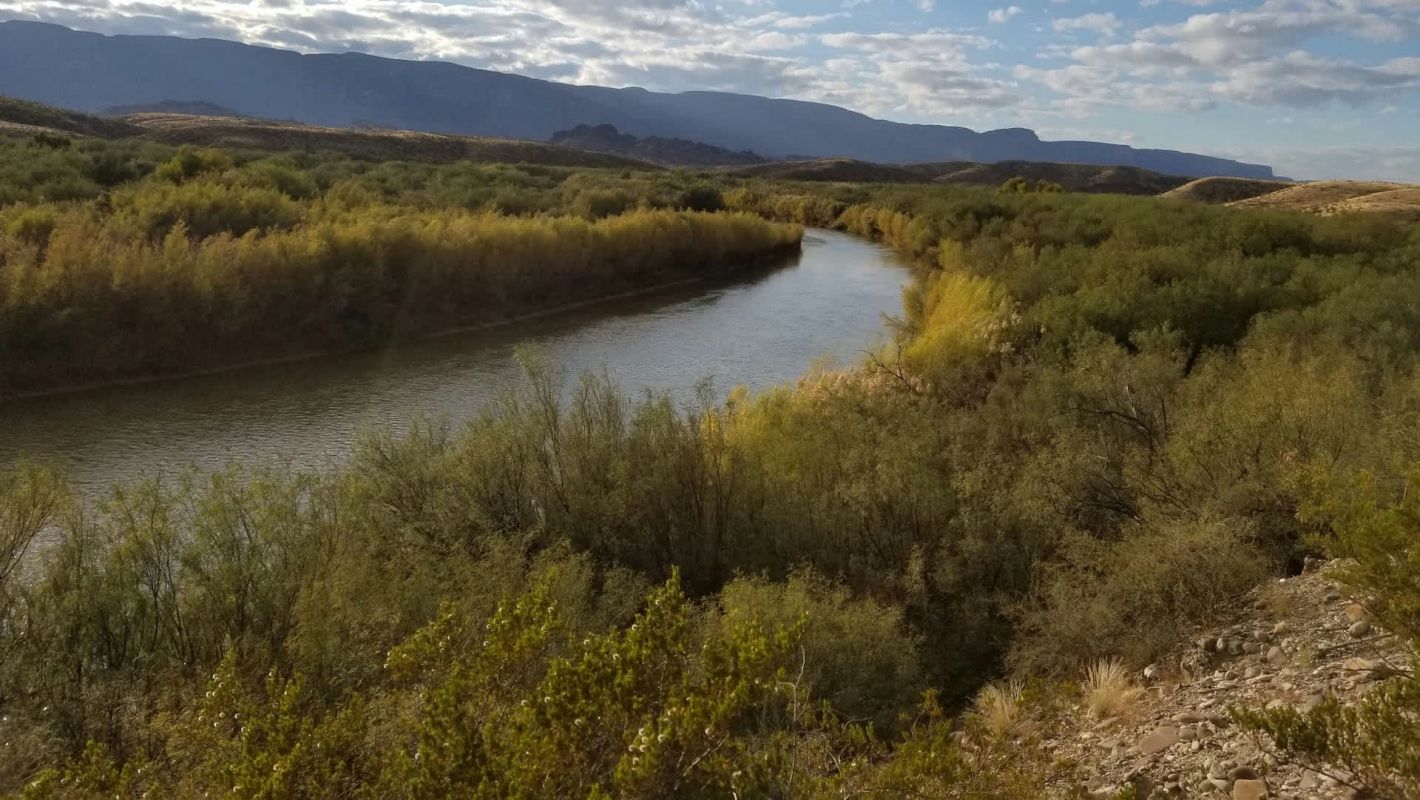
A new report warned that the worsening water crisis affecting both the United States and Mexico is not just the result of drought, but of what experts are calling a "global water bankruptcy."
What's happening?
Texas Public Radio reported on water tensions between the U.S. and Mexico, both of which are obligated to provide each other with water under the 1944 Water Treaty. However, both sides have been struggling to meet water demands in recent years amid more intense droughts, rising demand, and shrinking resources.
As historic drought strains rivers and reservoirs along the U.S.-Mexico border, researchers say deeper structural problems are accelerating shortages on both sides.
In fact, the UN recently released its Global Water Bankruptcy report, which highlights chronic droughts, water shortages, and pollution affecting everyone, calling for international cooperation to manage water resources to prevent a growing crisis.
Why is water scarcity important?
Communities across Southwest and northern Mexico are facing shrinking river flows, depleted reservoirs, and mounting tension over water agreements. The Rio Grande and Colorado River systems — lifelines for agriculture, cities, and ecosystems — have been stretched thin after years of below-average rainfall and heavy demand.
Water underpins nearly every aspect of daily life — from drinking and sanitation to farming and energy production. When supplies dwindle, the effects ripple quickly.
Farmers may be forced to plant less, which could drive up grocery prices. Cities can face restrictions that affect homes and businesses. Ecosystems dependent on rivers suffer, threatening fish and wildlife. As landscapes dry out, families also face increased wildfire risks and higher insurance bills.
What can be done about water scarcity?
The UN's report calls for a major shift in how governments worldwide manage water.
The report explained: "That means confronting overshoot with transparent water accounting, enforceable limits, and protection of the water-related natural capital that produces and stores water — aquifers, wetlands, soils, rivers, and glaciers — while ensuring transitions are explicitly equity-oriented and protect vulnerable communities and livelihoods."
As for the U.S. and Mexico, that could mean revisiting the existing treaty, negotiating adjustments, and investing in conservation strategies. Everything from more efficient irrigation systems to wastewater recycling, desalination projects, and updated management protocols is on the table.
TCD Picks » Upway Spotlight
💡Upway makes it easy to find discounts of up to 60% on premium e-bike brands





Overall, addressing rising global temperatures, which contribute to more extreme weather such as heatwaves and droughts, is another important step. Add to that conserving our existing resources by preventing pollution and contamination — something that is increasingly important amid dwindling water supplies.
|
Which of these savings plans for rooftop solar panels would be most appealing for you?
Click your choice to see results and speak your mind. |
 Save $1,000 this year 💸
Get TCD's free newsletters for easy tips to save more, waste less, and make smarter choices — and earn up to $5,000 toward clean upgrades in TCD's exclusive Rewards Club.
Cool Picks





