


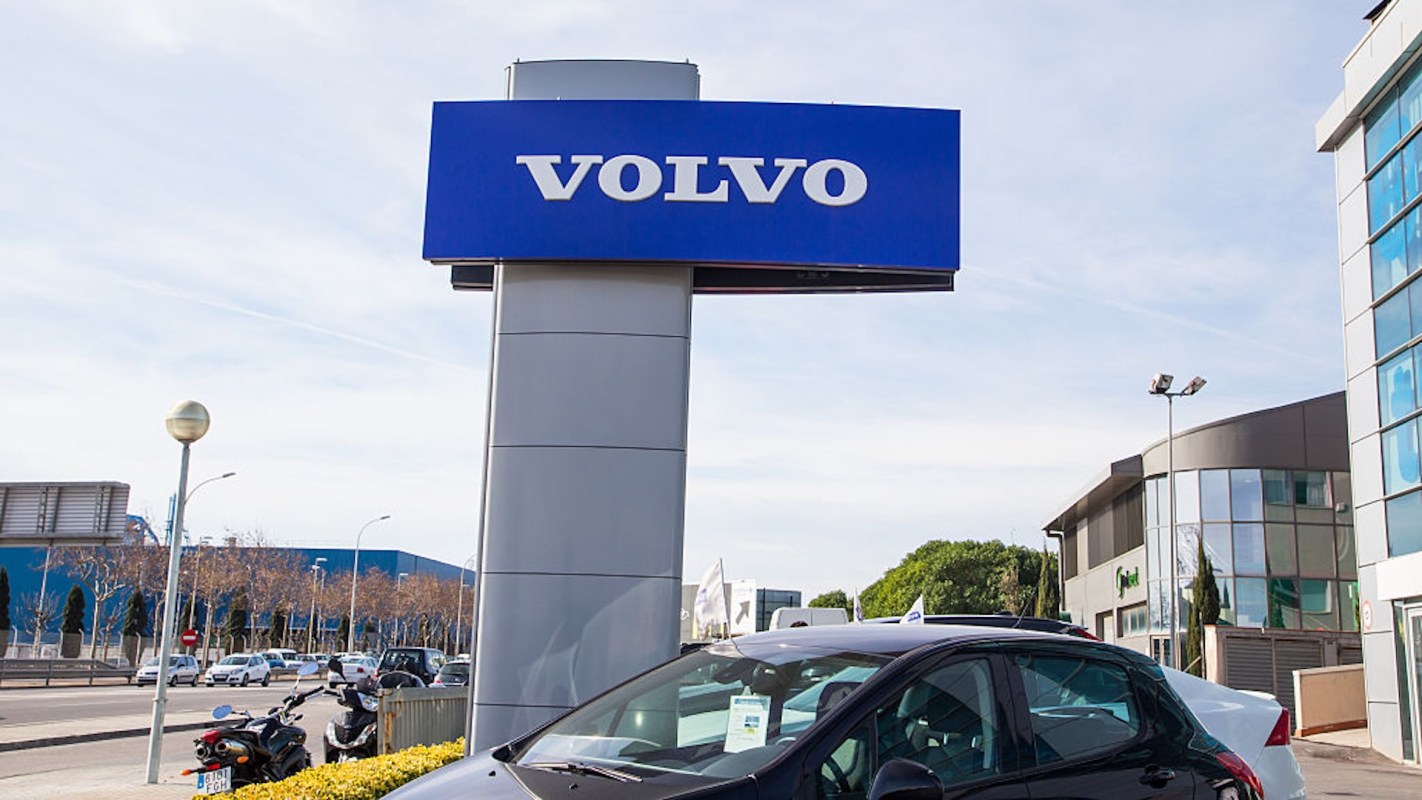
Volvo has received special authorization to import and sell wirelessly connected vehicles in the United States that use Chinese hardware and software, even as a new Department of Commerce rule restricts many vehicles relying on Chinese or Russian technology.
According to a report from InsideEVs, the decision gives the Swedish automaker, owned by China's Geely, a carveout at a time when regulators are stepping up scrutiny of the digital systems inside modern vehicles.
The Department of Commerce restrictions on Chinese and Russian vehicles took effect on March 17, 2025.
Under the rule, vehicles that rely on certain Chinese- or Russian-linked systems for automated driving and connectivity — including satellite, cellular, and Wi-Fi functions — are generally barred from being imported and sold in the U.S. Regulators say these technologies could be "easily exploitable," raising concerns about data theft or even remote manipulation of vehicle fleets.
Volvo said it was granted authorization from the Office of Information and Communications Technology and Services after the automaker followed a process outlined by the U.S. Department of Commerce. In a statement, the company said, "With this specific authorization, Volvo Cars can continue its growth plans in the U.S."
Volvo builds some of its key models in China, including the best-selling XC60 crossover and the smaller XC40, and the U.S. remains a key growth market for the brand.
TCD Picks » Quince Spotlight
💡These best-sellers from Quince deliver affordable, sustainable luxury for all




Today's cars collect enormous amounts of data, from location and driving behavior to device connections. Federal officials say limiting high-risk, foreign-linked systems could offer better protection against privacy breaches and cybersecurity threats.
Despite these security concerns, critics of restrictions on Chinese automakers argue that such laws can limit market competition and delay access to more affordable, high-tech electric vehicles for U.S. consumers.
Although American drivers may still have more limited access to affordable EVs, switching from gas-powered vehicles remains one of the most effective ways to cut fossil fuel use and, in many cases, reduce long-term commuting costs.
EVs can deliver significant savings by eliminating reliance on gasoline and avoiding routine maintenance such as oil changes, spark plug replacements, and other engine-related servicing. Over time, those lower operating and maintenance costs can add up, making electric vehicles increasingly cost-competitive with traditional cars.

Get TCD's free newsletters for easy tips, smart advice, and a chance to earn $5,000 toward home upgrades. To see more stories like this one, change your Google preferences here.






