


Northeastern Pennsylvania households have already been dealing with rising power and water costs. Officials now warn that a buildout of facilities related to artificial intelligence may drive those expenses even higher.
What's happening?
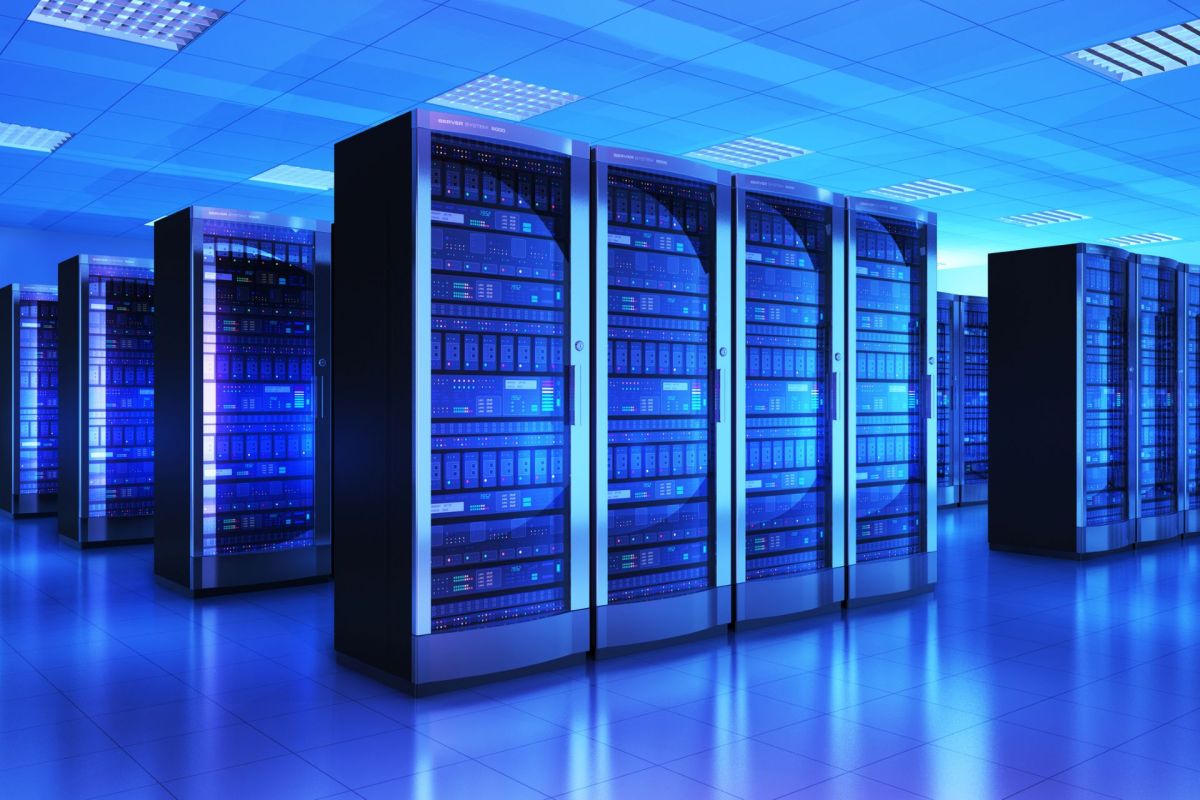
At the center of the issue is the spread of large data centers built to handle cloud computing services and AI operations. In Pennsylvania, officials and experts said that this expansion could add stress to both the state's electric grid and water supplies, local news outlet Fox 56 WOLF reported.
Utility increases have already been significant. According to the Pennsylvania Independent Fiscal Office, the state's average residential electricity rate climbed from about 13.9 cents per kilowatt-hour in 2020 to roughly 20.3 cents last year, per WOLF. For a home that uses 1,000 kilowatt-hours each month, that equals about $770 more per year than in 2020.
Water costs have gone up as well. The local outlet reported that Pennsylvania American Water's typical residential monthly bill rose from about $57.85 in 2021 to approximately $81.55 last year.
Longer-term grid projections point to additional pressures ahead.
PJM Interconnection, which covers Pennsylvania and 12 other states, expects demand growth through 2036. Meanwhile, the AI industry and investors are pushing to bring more energy-hungry data centers online to power the technology.
Why does it matter?
As utilities and regulators try to absorb those costs, going solar is one of the best ways to save money on home energy. Homeowners can explore EnergySage to get quick solar installation estimates and compare quotes for free.
AI is becoming more closely tied to the energy grid because the technology depends on massive computing power, even as the grid is being asked to provide reliable electricity around the clock. While AI may offer benefits — including helping utilities forecast demand and optimize clean energy systems — its rapid expansion also comes with risks. Those include heavy electricity use for power, significant water use for cooling, and the possibility of pushing bills even higher for everyday customers.
Save $10,000 on solar panels without even sharing your phone number Want to go solar but not sure who to trust? EnergySage has your back with free and transparent quotes from fully vetted providers that can help you save as much as $10k on installation. To get started, just answer a few questions about your home — no phone number required. Within a day or two, EnergySage will email you the best local options for your needs, and their expert advisers can help you compare quotes and pick a winner. |

What's being done?
To limit the burden on current customers, PJM has put forward rules that would make large incoming users cover more of their own grid-connection expenses rather than shifting those costs to existing ratepayers. Pennsylvania now requires large data center projects seeking incentives to detail their projected electricity demand, annual water consumption, water sources, and plans to reduce both energy and water use.
For households looking for ways to lower their own costs, EnergySage's free services may be especially valuable. With EnergySage's help, the average person can save up to $10,000 on solar purchases and installations. You can also use EnergySage's solar map to see the average cost of a home solar panel system on a state-by-state level, along with details on solar panel incentives for each state.
Adding battery storage to a solar setup is one of the best ways to protect your home during outages, save money on energy, and avoid relying on the grid. It can also help households store power for use when electricity prices spike or the grid is under stress. For information about home battery storage options, including competitive installation estimates, explore EnergySage.
The potential effects of AI-driven growth on utility bills are still being unpacked. With electricity and water costs already rising, the way data center expansion is managed could affect what residents pay next.
More From EnergySage
💡Go deep on the latest news and trends shaping the residential solar landscape





Get TCD's free newsletters for easy tips, smart advice, and a chance to earn $5,000 toward home upgrades. To see more stories like this one, change your Google preferences here.






