


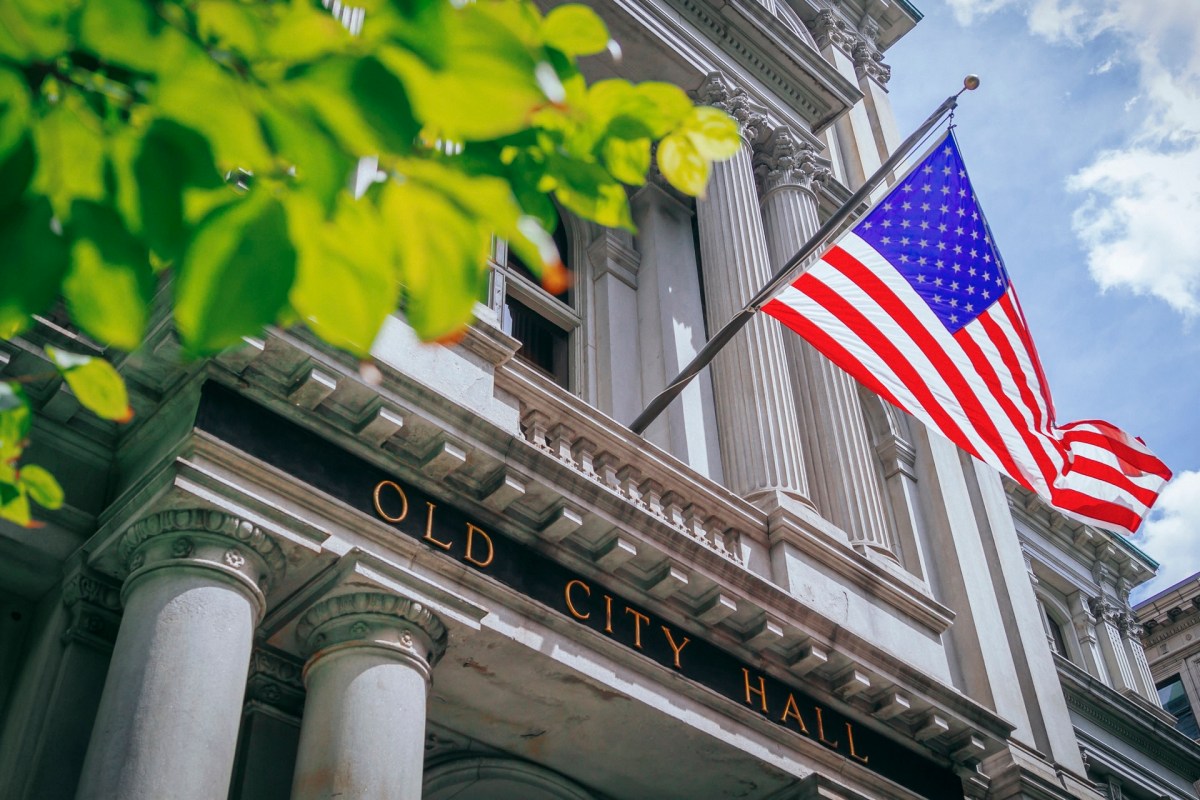
Despite the Donald Trump administration's cancellation of many clean energy projects, numerous cities are still moving forward with their own sustainable commitments.
Several city governments are committed to ditching dirty energy and aren't waiting for federal permission to pursue their climate goals.
As Context reported, many U.S. city mayors will be gathering at a global climate summit in Brazil that ends Nov. 25. This event is expected to highlight cities' roles in the clean energy transition and to build momentum among city leaders globally.
"In the midst of all the geopolitical tensions and divisions, it is truly amazing and inspirational to see what is happening in this room and on the ground in your cities," said Selwyn Hart, a U.N. special adviser, per the Associated Press.
Examples of cities taking climate action despite canceled or delayed federal government support include Boston, New York City, Washington, D.C., Denver, Seattle, and Portland, Oregon.
For example, Portland is working to be the first American city to end petroleum sales by 2030. Boston plans to end building pollution entirely by 2050.
Redmond, Washington, is developing a light rail plan and making its city more bikeable and walkable. Meanwhile, Cambridge, Massachusetts, is helping low-income residents access training for "green jobs" through scholarships, childcare, and transportation assistance.
All of these cities' stories are inspiring as we continue to hear news about the billions of dollars in cancelled federal funding for sustainable energy projects. Some of these projects have been in the works for over a decade. Yet a single legislative action could perpetuate America's reliance on dirty energy and foreign energy sources.
There are many actions that city governments can take to support clean energy goals, such as improving public transportation, ramping up recycling efforts, implementing single-use plastic bans, and enforcing pollution performance standards for new and existing buildings.
"It's critical that communities invest in green jobs training as a form of resilience," said Quinton Zondervan from Run on Climate, per Context. "Solar installation … is going through the roof."
TCD Picks » Quince Spotlight
💡These best-sellers from Quince deliver affordable, sustainable luxury for all




|
Should governments be investing money into new, futuristic cities? Click your choice to see results and speak your mind. |
 Definitely 👍
 "We're really thinking differently about what cities can be," said Redmond Mayor Angela Birney.
Individual residents can keep this momentum going by making clean energy upgrades in their own homes. For example, you can install solar panels on your home, heat and cool it with an energy-efficient heat pump, and weatherize it to better withstand extreme weather.
Time is running out by the end of the year to take advantage of many federal tax incentives through the Inflation Reduction Act. However, homeowners may still be able to obtain some home energy tax credits if they act quickly.
Wherever you live, you can start taking steps now to live more sustainably and power your life with clean energy, setting an example for others in your community to follow.

Join our free newsletter for good news and useful tips, and don't miss this cool list of easy ways to help yourself while helping the planet.
Cool Picks





