


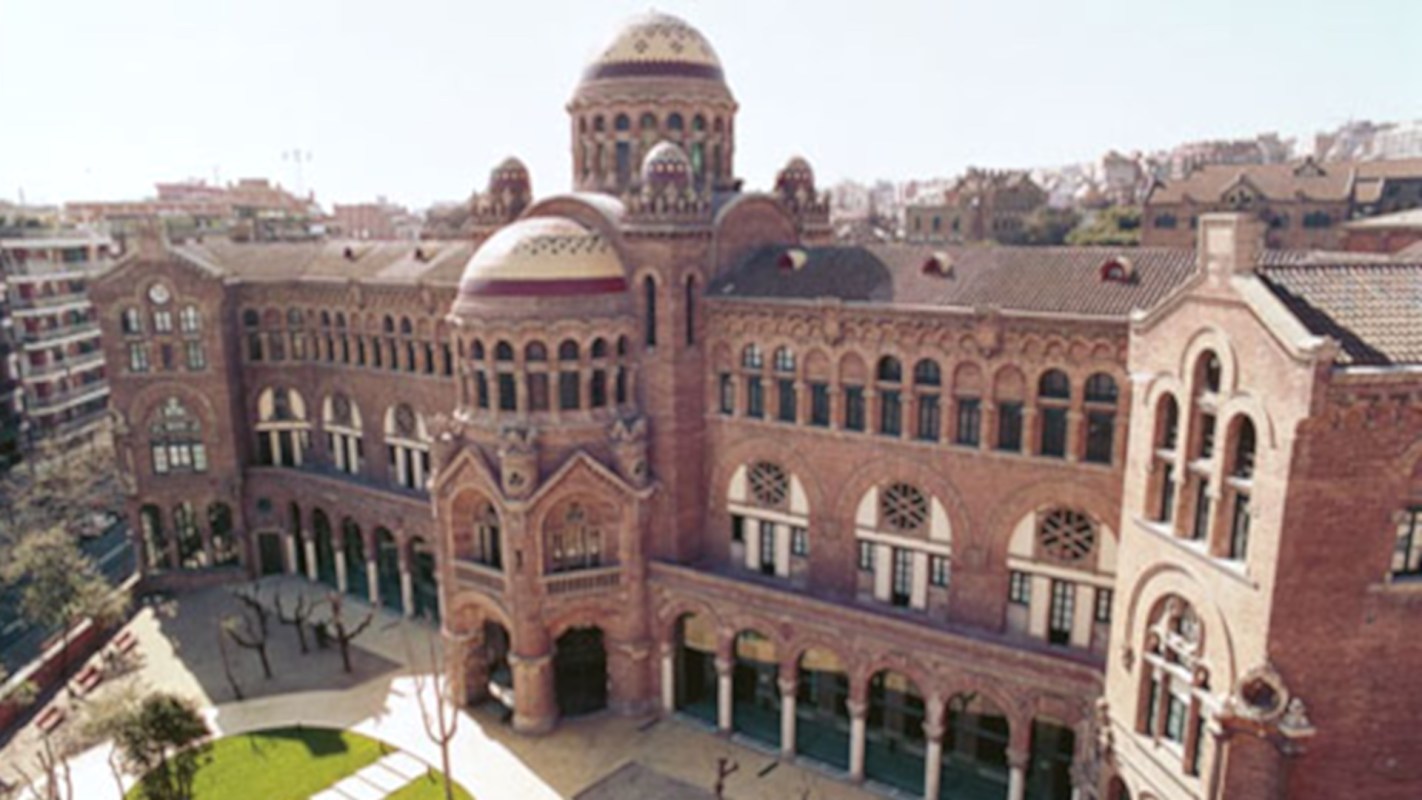
A Spanish university has announced a big change to its dining halls that will make a major impact on the environment.
The Universitat Autònoma de Barcelona announced it is launching a pilot program to use reusable cups for hot beverages in two of its dining halls in an effort to promote sustainability and reduce the school's environmental impact.
The new cups are made from 60% rice husk obtained from the Ebro Delta in Spain and 40% polypropylene. They are dishwasher- and microwave-safe and designed to be reused multiple times during their lifespans.
The pilot program will allow the university to assess acceptance of the new cups, how often they're reused, how effectively they're returned, and how well the process is managed by staff before it's implemented across the entire school.
School cafeterias are a major source of plastic waste; according to the announcement, UAB's campus restaurants and cafeterias each sell 450 hot drinks per day, producing up to 1,200 kilograms (more than 2,645 pounds) of waste per year in disposable cups.
Those cups wind up in landfills, where they will not break down naturally for decades (if ever) and will contribute to the production of planet-warming gases.
They will also break apart into smaller and smaller pieces, eventually becoming microplastics. These tiny pollutants have a profound impact on the environment and our health.
The new cups will cost €1.50, and when they're returned to the school after their use, students and faculty will be given a token — made from recyclable plastic, of course — for a free hot drink (in a reusable cup). This creates a sustainable cycle and incentivizes people to take part in the program.
The new program is part of UAB's plan to reach full climate neutrality by 2030, and it hopes it will be a big step toward implementing fully reusable food and beverage containers in its cafeterias and restaurants.
Once this program is established, it will expand to cold beverage containers and lunch trays to further reduce the university's waste.
TCD Picks » Quince Spotlight
💡These best-sellers from Quince deliver affordable, sustainable luxury for all




|
Should companies be required to help recycle their own products?
Click your choice to see results and speak your mind. |
 Definitely 👍
Join our free newsletter for good news and useful tips, and don't miss this cool list of easy ways to help yourself while helping the planet.
Cool Picks




