


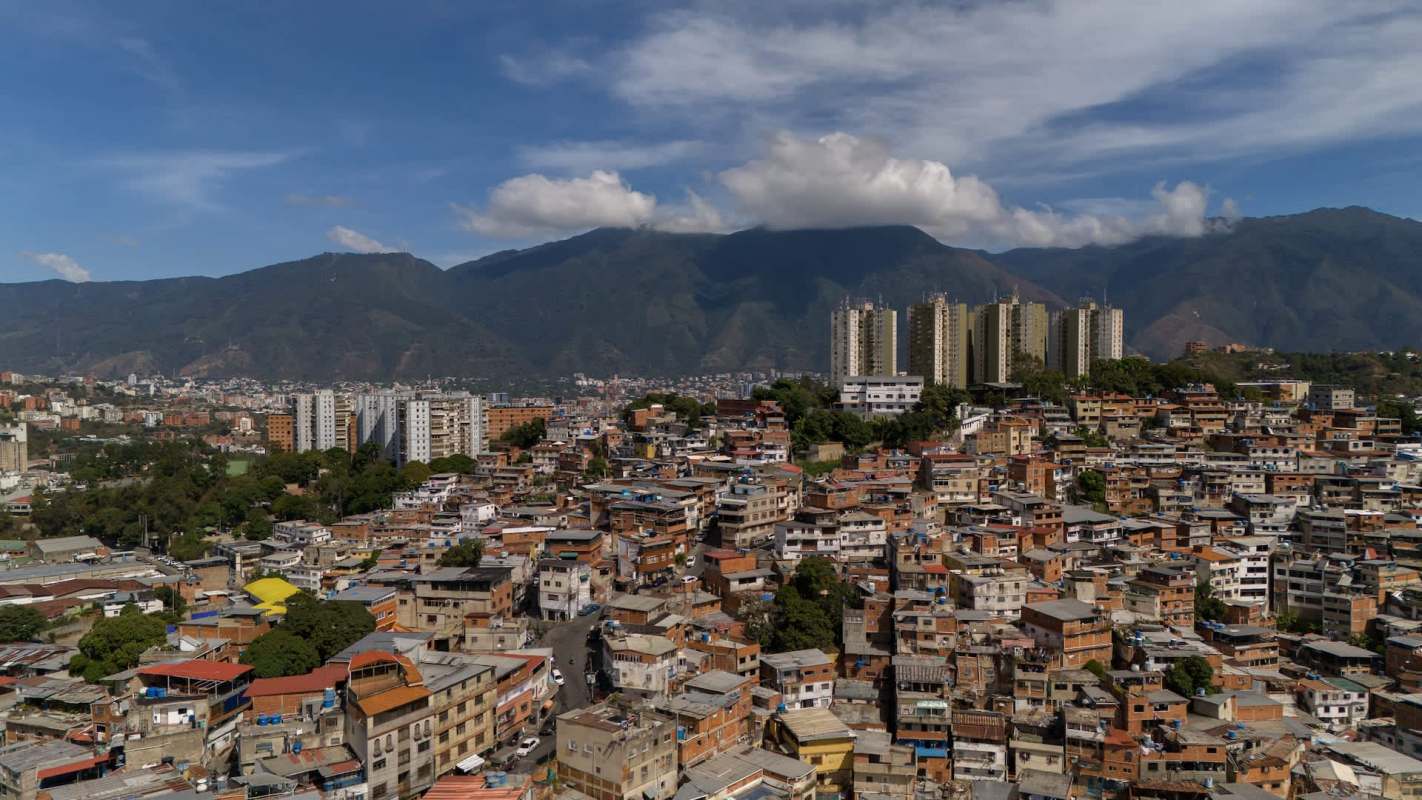
Ongoing tensions between the United States and Venezuela, reportedly fueled in part by interests in oil and rare earth minerals, could ultimately come at a cost to the environment and human health.
What's happening?
Following the capture of Venezuelan President Nicolás Maduro in early January by U.S. forces, President Donald Trump has accelerated pressures on the South American nation. Despite frequent mentions of stopping violence and drug cartels as the motive driving the operations, desire for oil and rare earth elements may be playing more than a small role in U.S. interests in the country.
Venezuela has the world's largest known oil reserves. The Trump administration has indicated it plans to significantly ramp up oil drilling and production there. Venezuela's current oil output is about 1 million barrels per day, according to the Guardian — Trump wants it tripled.
He has said this will help Venezuela's economy, and U.S. oil companies will "spend billions of dollars, fix the badly broken infrastructure … and start making money for the country," per The Guardian.
Why is this concerning?
From extraction to processing and burning of the fuel, increasing oil production by such a drastic amount poses major environmental impacts. These include air and water pollution, both with the potential to harm fragile habitats and human health.
Burning this fuel could result in hundreds of millions more tons of planet-warming carbon dioxide generated every year, the Guardian reported. Venezuela also produces extra-heavy crude oil, which is particularly carbon-intensive.
"If oil production goes up, climate change will get worse sooner, and everybody loses, including the people of Venezuela," John Sterman, from the Massachusetts Institute of Technology, told the outlet. "The climate damages suffered by Venezuela, along with other countries, will almost certainly outweigh any short-term economic benefit of selling a bit more oil."
What's being done?
Many environmental advocates have strongly opposed oil- and minerals-interested pressures on Venezuela.
"The U.S. must stop treating Latin America as a resource colony," Elizabeth Bast, executive director of Oil Change International, told the Guardian. "The Venezuelan people, not U.S. oil executives, must shape their country's future."
Venezuelan-American founder Cristina Burelli of SOS Orinoco, recently told Mongabay, "There was an incredible track record of conservation. Venezuela was ahead of its time with regard to caring for the environment, conservation, caring for Indigenous people."
TCD Picks » Quince Spotlight
💡These best-sellers from Quince deliver affordable, sustainable luxury for all




|
What's the most you'd pay per month to put solar panels on your roof if there was no down payment?
Click your choice to see results and speak your mind. |
 $200 or more 💰
 SOS Orinoco aims to raise awareness about "the situation in the Amazonia and Orinoquia regions" of the country, including the environmental disasters unfolding there.
Burelli continued, "I'm very hopeful that Venezuela can, again, become a beacon of conservation and show the rest of Latin America how it should be done."
U.S. Secretary of State Marco Rubio meanwhile suggested at a Senate hearing on January 28 that future military action in Venezuela could be possible. Constituents opposed to such actions, especially as related to oil and mining interests, are likely to call upon elected officials to challenge any such plans.

Get TCD's free newsletters for easy tips to save more, waste less, and make smarter choices — and earn up to $5,000 toward clean upgrades in TCD's exclusive Rewards Club.
Cool Picks




