


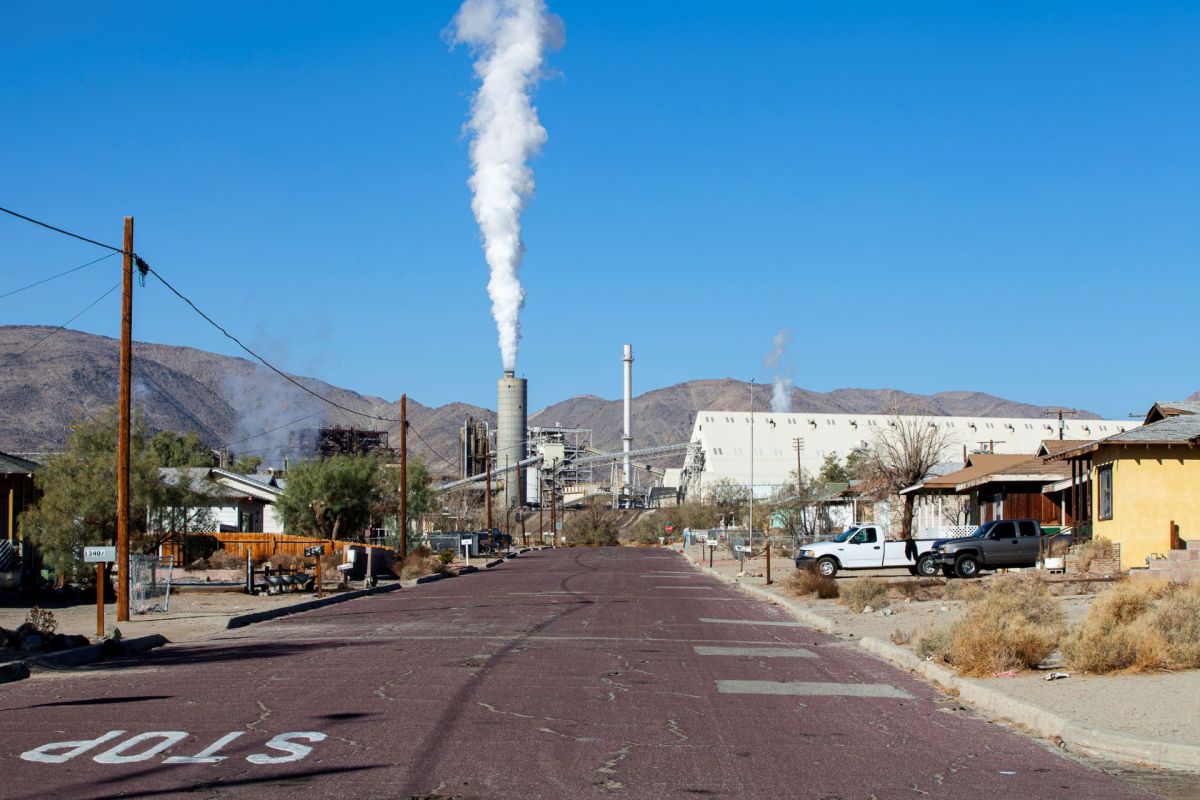
The Trump administration has issued exemptions for a program that documents carcinogens at industrial facilities. Now, community members are worried about what this could mean for local air quality.
What's happening?
In 2025, the Trump administration decided to roll back a Biden-era rule that required monitoring at 11 facilities. These sites are home to "coke ovens" — high-temperature chambers used to bake coal into coke, a carbon-based fuel.
When coal is heated by a coke oven, it reaches between 1,000 and 1,400 degrees Celsius, according to Inside Climate News. At that temperature, it can release many pollutants, including particulate matter, carbon monoxide, volatile organic compounds, and benzene.
While this pollution threatens air quality, it also contains carcinogens — matter known to raise cancer risks.
The administration cited a Clean Air Act provision when making the exemption for coke ovens. But attorneys argue that these sites don't meet the provision requirements.
"It's a pretty clear case that [Trump] does not have the authority to do this," Jaclyn Brass, an attorney for the Southern Environmental Law Center, told Inside Climate News.
Why is coke oven pollution concerning?
Examining data from when facilities complied with the rule has raised concerns among experts and community members. Inside Climate reported that some sites had benzene levels ranging from two to more than 14 times the recommended exposure limit.
According to the Centers for Disease Control and Prevention, benzene is a dangerous carcinogen that can have long-term health consequences. It can cause a decrease in red blood cells, affect immune system functioning, cause cancer, and pose fertility problems.
"Folks … may not understand what being surrounded by polluting industries does to a community's health and spirit," clean-air nonprofit leader Jilisa Milton said in a December press release from Earthjustice. The environmental law firm is suing the administration. "We're tired of suffering so dirty industries … can get a pass."
One Alabama community, home predominantly to people of color, faced major challenges from coke ovens. Inside Climate News reported that benzene levels there were over 60% above the exposure limit.
TCD Picks » Upway Spotlight
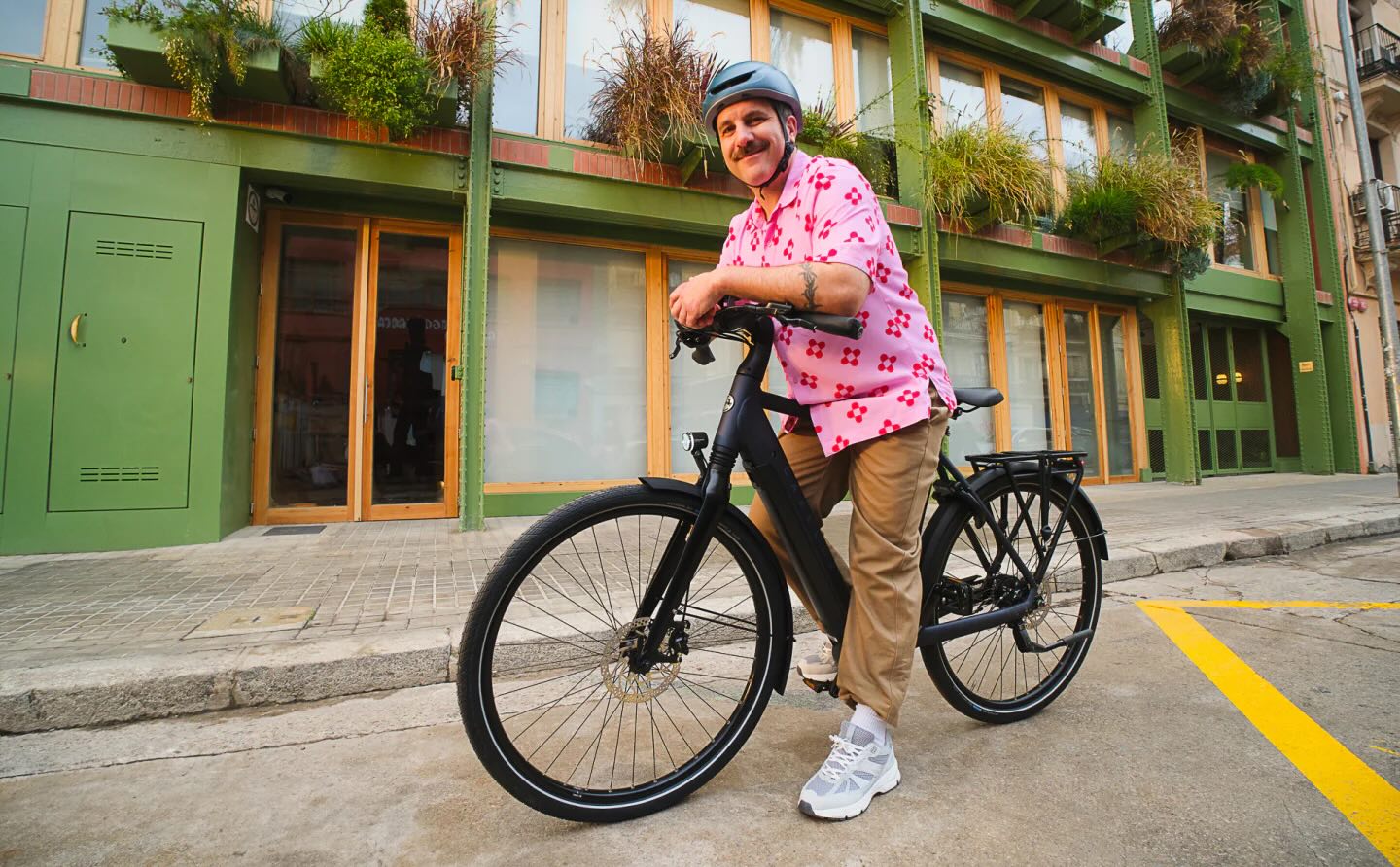
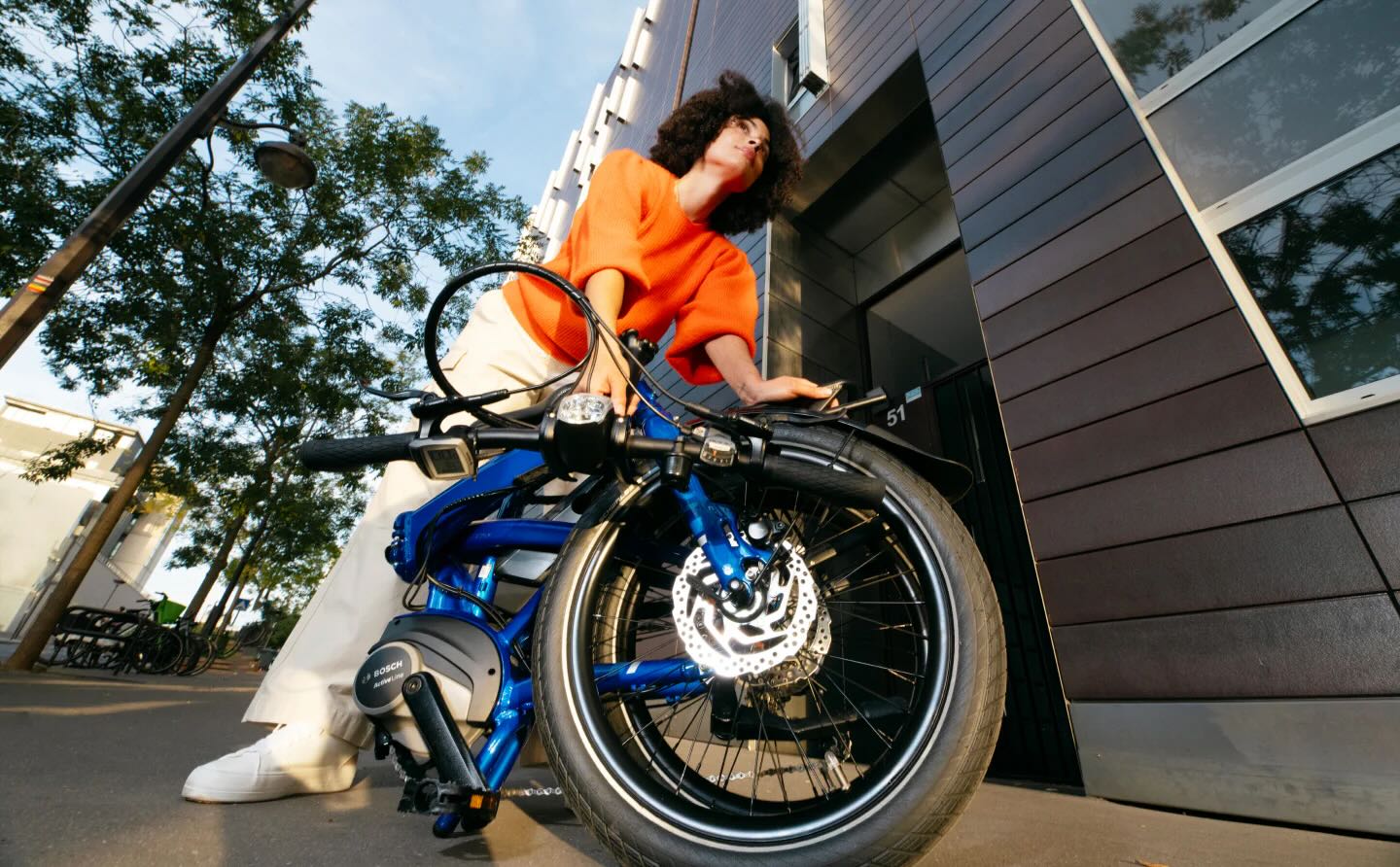
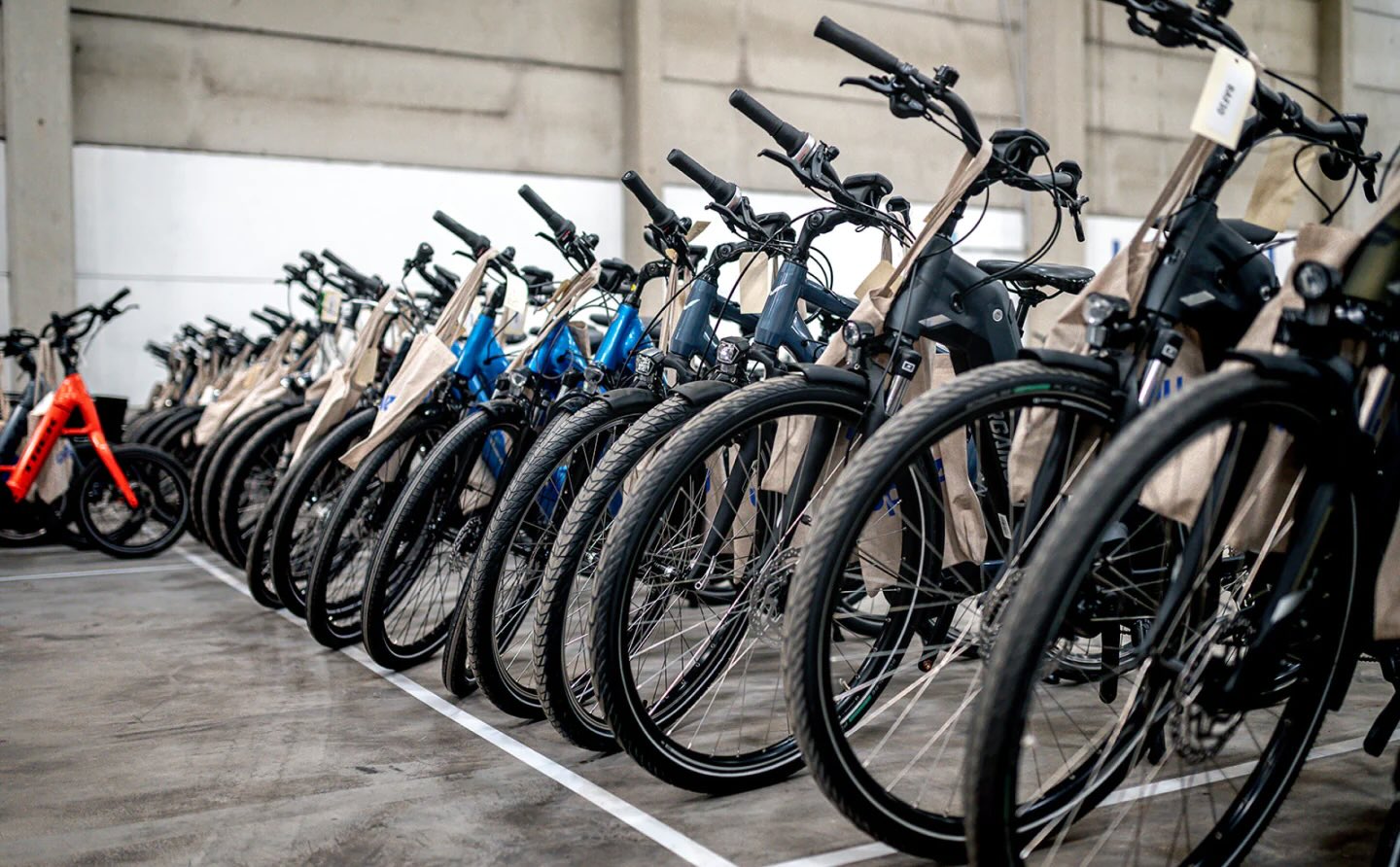
💡Upway makes it easy to find discounts of up to 60% on premium e-bike brands


|
Which of these savings plans for rooftop solar panels would be most appealing for you?
Click your choice to see results and speak your mind. |
 Save $1,000 this year 💸
 Unfortunately, coke ovens are only one piece of the air pollution puzzle, and historically marginalized communities too often bear the brunt.
What's being done?
Several organizations have filed a lawsuit challenging the administration's exemptions. Together, the groups are asking the courts to stop the government from allowing these facilities to bypass air pollution controls.
While awaiting a resolution of this matter, the public can take steps to limit other exposures to air pollutants such as benzene. The American Cancer Society has suggested avoiding skin contact with gasoline and limiting exposure to fumes from solvents, paint, and vehicle exhaust.

Get TCD's free newsletters for easy tips to save more, waste less, and make smarter choices — and earn up to $5,000 toward clean upgrades in TCD's exclusive Rewards Club.
Cool Picks





