


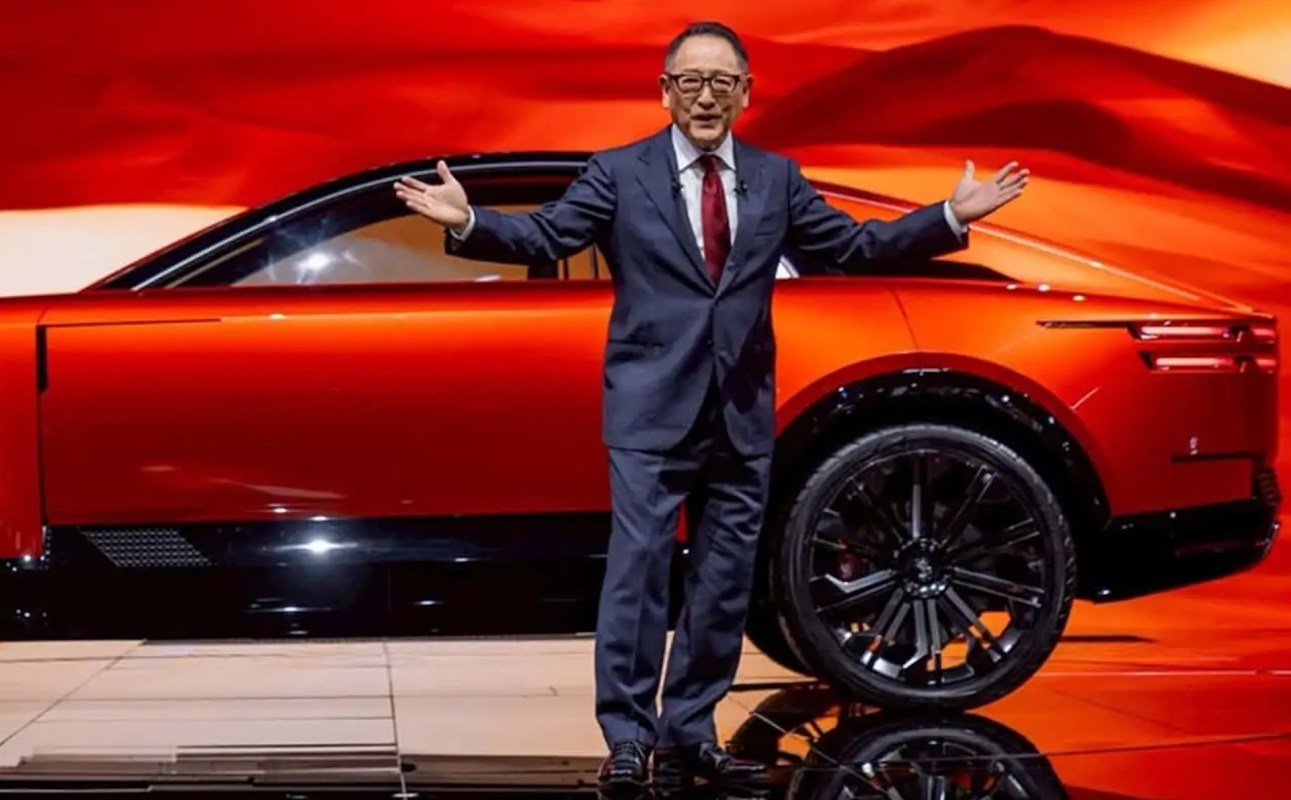
Toyota's long-running push into hydrogen is facing renewed scrutiny after a veteran company executive reportedly admitted his biggest concern is simple: Drivers are shifting to electric vehicles faster than some legacy automakers expected.
That concern is now feeding backlash online, where many EV supporters see Toyota's strategy as a costly detour that could leave everyday car buyers paying the price.
What happened?
In Reddit's r/electricvehicles forum, users circulated a Motor1 story about a veteran Toyota executive who warned that "everybody is shifting to EVs" while the company continues to allocate major resources to hydrogen fuel cell technology.
Many commenters argued that hydrogen passenger cars still lag far behind battery EVs when it comes to adoption, refueling availability, and everyday affordability. From that perspective, Toyota's continued emphasis on hydrogen looks increasingly like a dead end, especially since the company has also had success with electric vehicles in Europe.
One of the top responses captured that skepticism with a joke: "Kodak Veteran Reveals His Worst Fear: Everybody Is Shifting To Digital."
Why does it matter?
When a major automaker pours significant resources into a technology that fails to scale, shoppers can be left with fewer affordable EV options, slower innovation, and more confusion about what will actually save them money at the pump — or at the charger.
TCD Picks » Quince Spotlight
💡These best-sellers from Quince deliver affordable, sustainable luxury for all




Toyota's hesitation has been especially controversial because it comes at a time when EVs are becoming more practical for many households, thanks to lower operating costs, expanding charging networks, and a growing used-EV market.
Delays in fully embracing battery EVs can also slow progress in reducing tailpipe pollution, which harms public health and heats the planet.
There is also a trust issue. If companies promote future-facing technologies that remain difficult to fuel, expensive to build, or poorly supported, consumers may feel they are being sold a vision rather than a workable product.
What's being done?
The broader auto market is already moving. Carmakers around the world are investing in battery EVs, and competition is helping improve range, performance, and price points. Even Toyota has shown it can build compelling BEVs in some markets, suggesting the company still has room to course-correct.
Governments and utilities also continue to expand charging infrastructure, while incentives can help lower the upfront cost of switching. The practical case for EV ownership continues to strengthen regardless of any one company's strategy.
For many people, a battery EV or plug-in hybrid may already make more financial sense than waiting for hydrogen to catch on.

Get TCD's free newsletters for easy tips, smart advice, and a chance to earn $5,000 toward home upgrades. To see more stories like this one, change your Google preferences here.






