


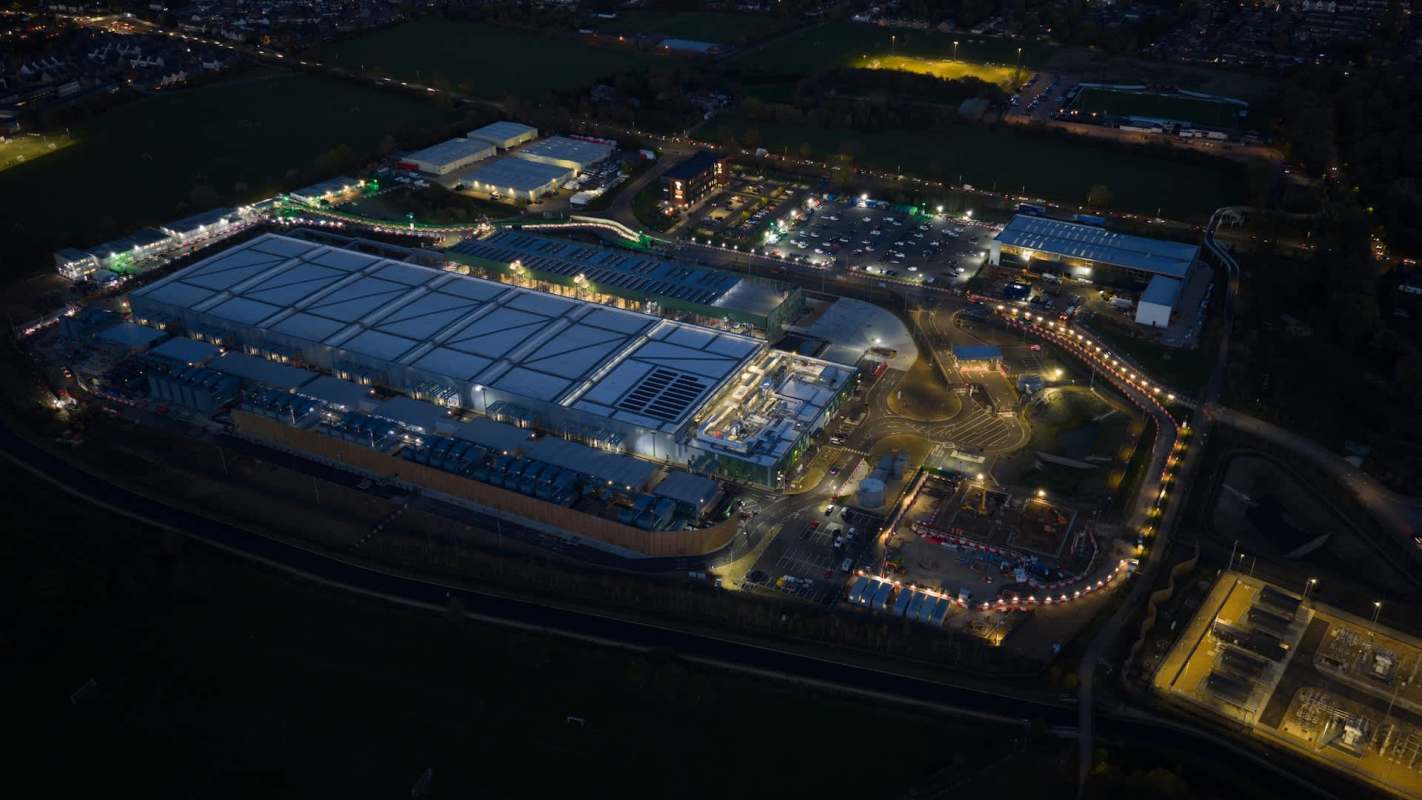
As Texas' data center buildout speeds up, the state is set to leave a large amount of potential tax revenue uncollected, and officials have said the final total could end up even higher.
Governor Greg Abbott is also seeking tighter oversight of that expansion by making many proposed projects provide substantially more information before they can hook up to the state's main electric grid.
What's happening?
According to KFDM, Texas has estimated that data center tax exemptions will cut sales-tax collections by $3.2 billion over the next two years, including at least $1.3 billion in forgone revenue.
Eligible data centers avoid the state's 6.25% sales tax on electricity as well as on a wide range of purchases, including servers, software, cooling systems, and generators.
Abbott told regulators to stop approving new ERCOT connections for proposed data centers until the Public Utility Commission of Texas and ERCOT finish what he called a "comprehensive verification and audit."
The order does not amount to a blanket ban, but it does make it more difficult for projects that need access to the main Texas grid to move forward.
TCD Picks » Quince Spotlight
💡These best-sellers from Quince deliver affordable, sustainable luxury for all




Under Abbott's directive, developers must disclose any public subsidies, who controls the project, expected electricity use, water supply and recycling details, and local impacts such as noise, traffic, and lighting.
"I established clear guardrails to ensure data centers protect our electric grid, conserve our water, respect our neighborhoods, and pay their own way," Abbott said.
The tax break has expanded quickly since lawmakers first created it in 2013 and later broadened it in 2015.
By a July Senate Finance Committee hearing, audits had reached just 20 of the 138 qualified data centers, and six of those were found out of compliance.
Why does it matter?
Data centers, particularly those supporting artificial intelligence, can require enormous amounts of electricity and water, affecting utility costs, local supplies, and grid reliability for households and businesses alike.
AI has a complicated relationship with the energy system. On one hand, AI tools can help utilities forecast energy demand, improve grid management, and support cleaner energy systems by making renewable power easier to integrate.
On the other hand, the infrastructure behind AI can consume vast amounts of power and water while also raising concerns about higher bills, security risks, misuse, and other unintended consequences if development outpaces oversight.
Abbott's spokesperson said that fewer than 10% of data centers responded to state information requests on power and water use, while ERCOT is seeing peak electricity demand from the sector rise by more than 500%.
One analysis found Texas has 335 data centers already operating, plus at least 248 others that are planned or under construction. Many of those projects are headed to unincorporated areas, where residents may have fewer zoning protections.
What's being done?
Abbott's audit is the most immediate effort to rein in the sector's rapid growth.
His office said OpenAI and Meta have agreed to follow the new standards, joining commitments from Amazon, Google, QTS, Skybox, Digital Realty, and MARA.
The state is also taking a closer look at whether taxpayers are getting enough in return. To qualify for the exemption, large data centers must meet investment and job thresholds, though companies can begin receiving the tax break immediately and then have five years to meet those commitments. Facilities that fail audits must repay the waived taxes.
More policy changes could arrive when lawmakers return to Austin in January. Senate Finance Committee Chair Joan Huffman is considering legislation that would revise or repeal the exemption.
"The PUCT and ERCOT cannot make decisions to guarantee grid stability and reliability based on substantially incomplete information," Abbott said.
President Donald Trump, meanwhile, argued that Texas opposition is "a mistake" because data centers are "tremendously important for the economics."

Get TCD's free newsletters for easy tips, smart advice, and a chance to earn $5,000 toward home upgrades. To see more stories like this one, change your Google preferences here.






