


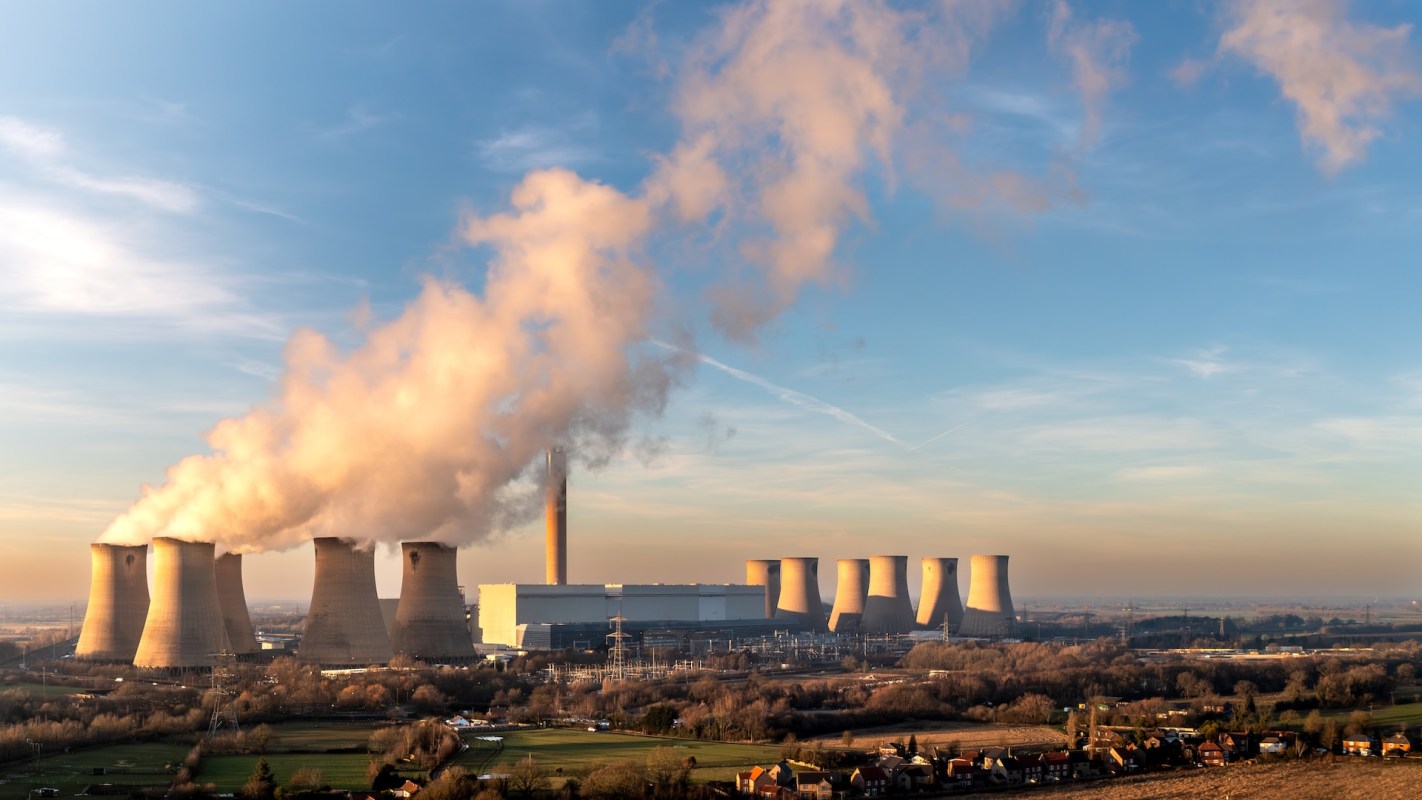
A shuttered nuclear power plant in Taiwan will not reopen despite the country's need for reliable energy sources, according to a report by Bloomberg.
What happened?
A public vote on whether to renew operations at the Maanshan nuclear plant in Taiwan recently failed to pass. The plant was closed earlier this year.
Despite the vote not passing, the results showed that public perception in Taiwan toward nuclear power is becoming more positive. The response was stronger than a similar vote from 2021.
"This result, even though it falls short of the legal threshold, showcases the gap between the government's preferred policy line and the public opinion," said William Yang, an analyst at the International Crisis Group, per Bloomberg. "It also reflects the public's anxiety and concern about Taiwan's energy resilience and capability to maintain stable energy supply."
Taiwan's ruling party has been against moving forward with nuclear power due to concerns about waste disposal and potential accidents.
Why is it concerning?
Taiwan imports about 96% of the country's energy, according to Bloomberg. This makes the nation extremely dependent on cargo ships, sea trade, and its relationships with other countries.
TCD Picks » Quince Spotlight
💡These best-sellers from Quince deliver affordable, sustainable luxury for all




If Taiwan could utilize its existing infrastructure to produce more of its own energy, that would protect its people against instability and energy security threats from China. There is also global demand for more affordable, reliable power sources, as artificial intelligence requires a staggering amount of energy for operation.
Nuclear power can produce large amounts of low-carbon electricity, which ultimately supports energy security and complements renewable energy sources. But it also comes with risks, such as radioactive waste, the potential for rare yet serious accidents, and high upfront costs.
What's being done about it?
Because the referendum failed to pass, there is a two-year moratorium on public votes to reopen this specific power plant. However, there are three other dormant plants in the country that nuclear power advocates can push to vote on.
The government has been absorbing costs to keep utility prices affordable in Taiwan, as traditional fuel and renewable energy are all becoming more expensive. This may soon lead to higher prices being passed on to businesses and residents if a solution isn't reached.
"Nuclear power's safety is a scientific issue, and safety cannot be resolved by a single referendum," Taiwan President Lai Ching-te said following the vote, per Bloomberg. "If future technology is safer, has less nuclear waste, and more accepted by society, we will not rule out advanced nuclear energy."
|
How would you feel about a nuclear power plant being built near your home? Click your choice to see results and speak your mind. |
 I'd be excited 😀
Join our free newsletter for good news and useful tips, and don't miss this cool list of easy ways to help yourself while helping the planet.






