


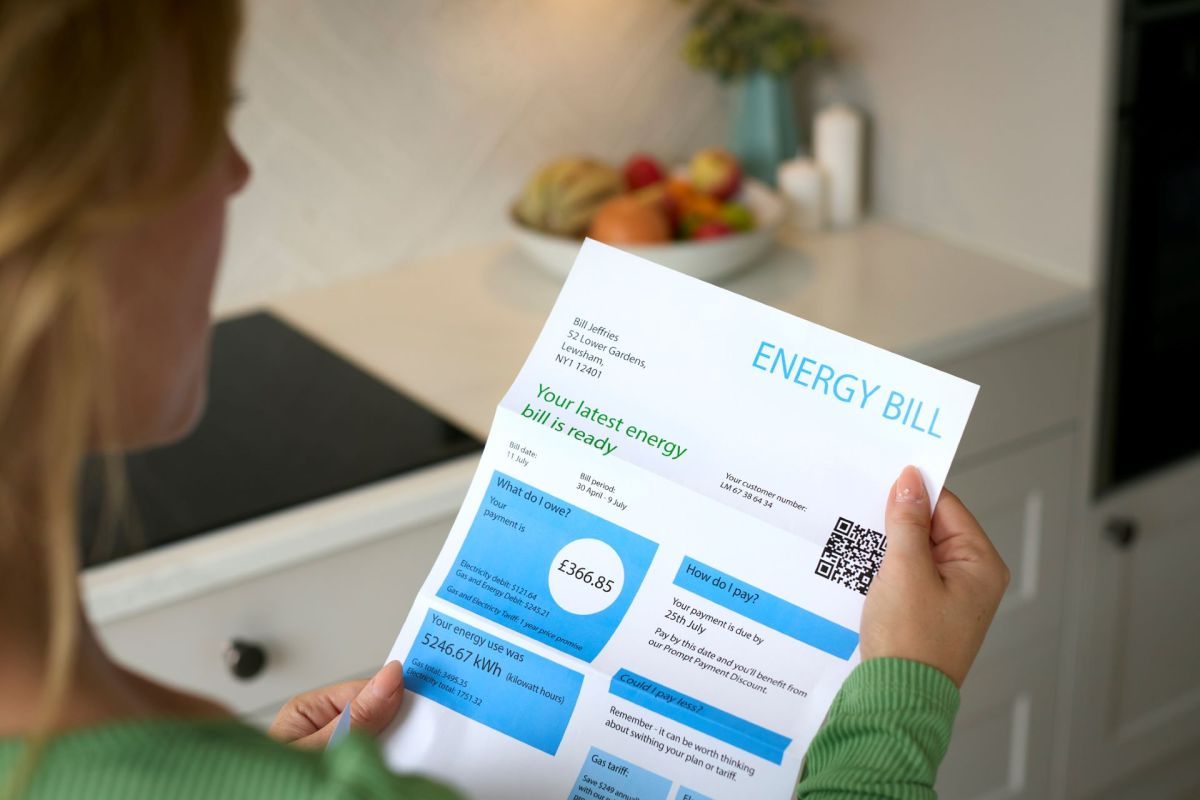
A new California statewide survey has found that one in three parents of young children can't afford their utility bills.
What's happening?
KQED summarized the crisis, noting that utility rates are rising sharply in the state. The news outlet spoke to one parent, Harnesha Burks, whose power was cut off amid some financial struggles.
Burks, who was living in the Bay Area, ended up couch-surfing with relatives for several weeks. Her older son moved in with his grandparents to be closer to his high school, which left Burks feeling guilty.
"We were ripped from our nests," she told the news outlet.
She eventually moved back into her apartment with some financial help from family to pay her $1,700 utility bill, but her refrigerator was full of spoiled food.
Why is this survey important?
Philip Fisher, director of the Stanford Center on Early Childhood, which conducted the survey, told KQED that, when parents are faced with difficult financial decisions, they pay for housing and food first, and utilities often fall between the cracks.
He added that when the research team followed up with parents, they reported feeling elevated levels of anxiety, loneliness, depression and stress. They described their children's demeanor as fussy or defiant.
KQED also summarized several studies and a follow-up survey from the Stanford Center on Early Childhood, which indicated that parents' economic hardships cause emotional distress, developmental delays, and other problems for young children.
Get $1,000 cash to slash your bills with rooftop solar panels for $0 down and low monthly payments Whatever your solar budget, Palmetto can help you save. If you want to buy your own panels, Palmetto's advisors can help you save up to $10,000 on installation through a network of preferred installers. And if you'd rather get solar savings without upfront costs, Palmetto's revolutionary LightReach subscription program can deliver — including an exclusive $1,000 cashback offer for TCD readers. LightReach lets you lease solar panels with no money down, making it painless to lock in long-term savings of up to 33% off your current power bill. Palmetto covers a 25-year warranty for the panels, which means you'll get reliable performance without unforeseen costs. To get started, just book a short meeting with Palmetto's experts to explore your options and find the solution that's right for you. |

What's being done about rising utility costs?
There are some programs that can help people who are struggling to pay their utility bills.
For instance, PG&E in California offers a debt forgiveness program as well as several financial assistance programs. However, KQED reported that many parents who filled out the survey didn't apply because they weren't sure if they would qualify.
|
If you don't have solar panels on your home, which of these factors is the biggest barrier to installing them? Click your choice to see results and speak your mind. |
 Upfront costs 💰
 Meanwhile, as electricity rates continue to rise, solar could also help homeowners save money over the long run. In fact, annual savings could add up to $3,000 or more, depending on the size of your panels and costs in your area. Going solar is also one of the best ways that individuals can cut their planet-heating pollution since it does not involve the burning of dirty fuels.
That said, the upfront costs of solar can be high. But leasing solar panels is one option that can help homeowners access the benefits while avoiding massive upfront costs. Palmetto is one company that offers a solar panel leasing option, and it has plans that require no money down.
If leasing isn't for you, EnergySage has free tools to get estimates on purchasing and installing panels, making it easy to compare quotes. Another viable option for renters or for those who aren't ready to install their own panels is signing up for community solar.
If you need help deciding between leasing and buying solar panels, you can check out Palmetto's pros and cons list for both options.

Join our free newsletter for good news and useful tips, and don't miss this cool list of easy ways to help yourself while helping the planet.
Cool Picks




