


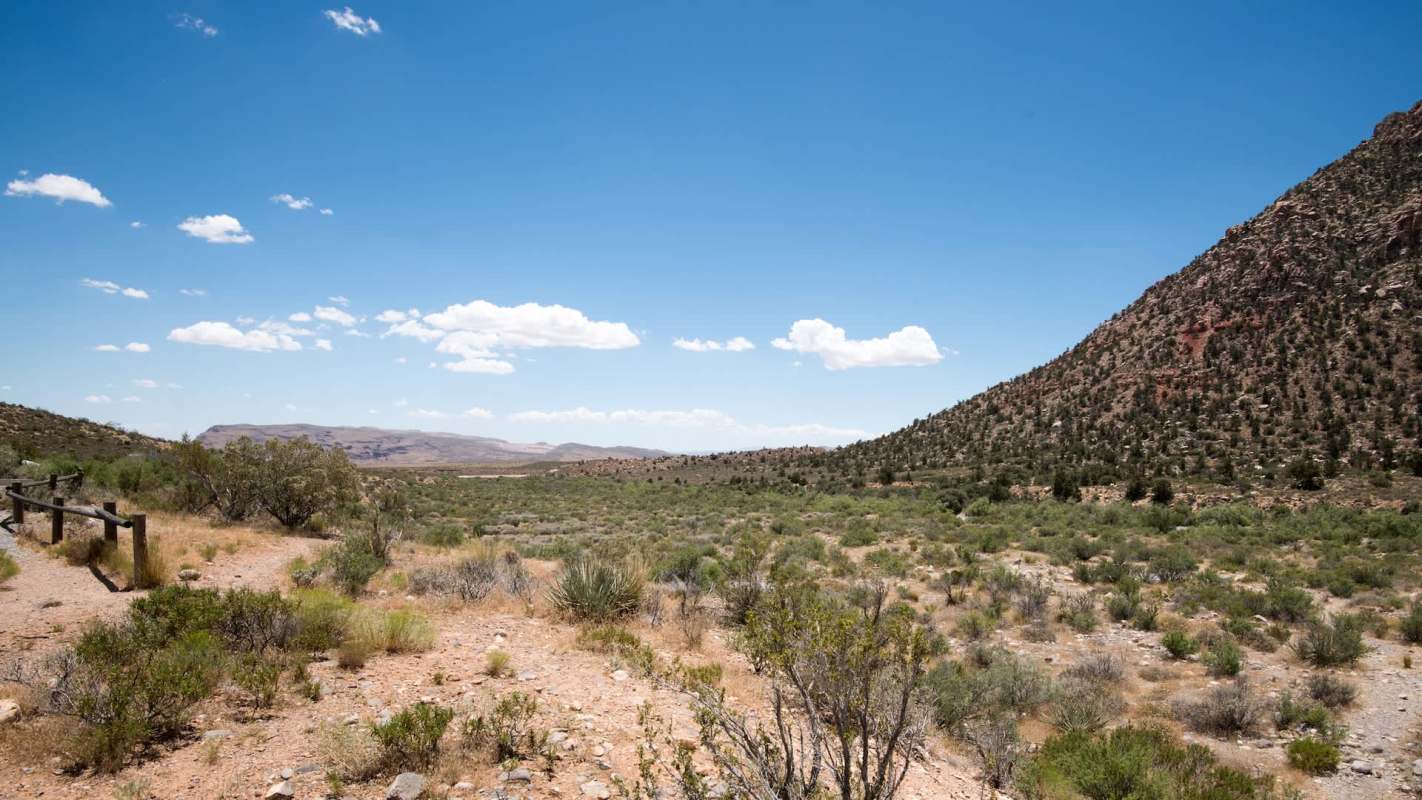
The high desert of western Nevada is once again living up to its old nickname, "the Richest Place on Earth." Storey County — once a 19th-century mining hotspot — is now at the center of a modern "gold rush" driven by artificial intelligence.
What's happening?
A complex known as the Tahoe-Reno Industrial Center has become one of the largest concentrations of data centers in the U.S., reported the Guardian, hosting facilities tied to tech giants including Google, Microsoft, Amazon, Meta, and Apple. The industrial park covers more land than Denver and continues to expand as companies race to build infrastructure to support energy-hungry AI systems.
Global investment in AI data centers is expected to reach nearly $7 trillion by 2030, according to estimates from McKinsey and Company. These facilities require enormous amounts of electricity and water, particularly for cooling servers that perform complex AI tasks. A single AI query can use nearly 10 times the electricity of a traditional web search, and large data centers can consume up to a million gallons of water per day.
Why is this development concerning?
Storey County is in one of the driest states, with an average annual rainfall of about 11 inches. Local communities and environmental advocates worry that the AI-driven boom could further strain limited groundwater and river systems already under pressure.
Downstream, the Pyramid Lake Paiute Tribe has raised alarms about the Truckee River, which supplies both the industrial center and Pyramid Lake — an important cultural, ecological, and economic resource on the tribe's reservation. Tribal leaders point out that history speaks for itself; upstream river sections dammed in the early 1900s dropped the water level of Pyramid Lake and completely dried up nearby Lake Winnemucca.
The power demands are also major. Data centers are pushing utilities to delay retiring coal plants and expand natural-gas infrastructure, even as tech companies publicly make promises about their sustainability goals. This spike in energy demand also means potentially higher energy costs and more pollution in regions where fuels like gas and coal still dominate the grid.
What's being done about it?
Some companies in the industrial park say they are investing in renewable energy, reclaimed-water systems, and more efficient cooling technologies. The site includes a reclaimed-water pipeline intended to limit how much water is drawn from the river, and several firms claim their facilities are powered by solar or wind.
Still, critics argue these efforts may not keep pace with the scale of expansion. AI's ties to the energy grid are complex — while AI can have benefits, such as optimizing clean-energy systems and improving agricultural efficiency, its rapid growth also risks overwhelming fragile water and power resources.
"This place is being touted as the epicenter of the energy revolution, the data revolution, the tech revolution," said Kyle Roerink, the executive director of the Great Basin Water Network, to the Guardian. "But they're never going to be making water."
|
How should we protect workers from losing jobs to AI-powered robots?
Click your choice to see results and speak your mind. |
 Financial assistance for job training 💰
Get TCD's free newsletters for easy tips to save more, waste less, and make smarter choices — and earn up to $5,000 toward clean upgrades in TCD's exclusive Rewards Club.
TCD Picks » Quince Spotlight
💡These best-sellers from Quince deliver affordable, sustainable luxury for all




Cool Picks





