


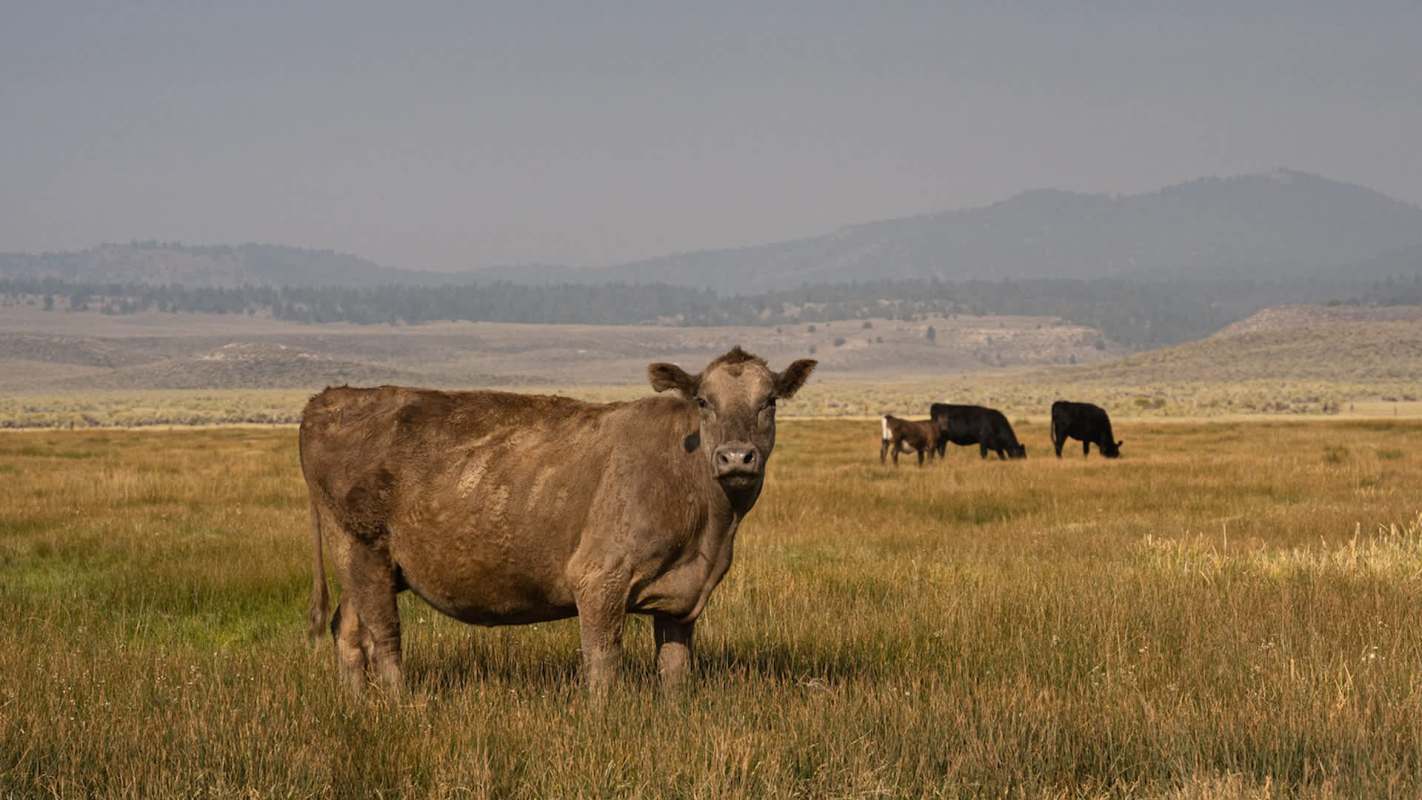
In parts of South Dakota, a lack of moisture is forcing cattle producers to change plans sooner than expected, as weakened pasture growth and disappointing hay production are pushing some herds off grass ahead of schedule.
That early shift is fueling worries about feed supplies for beef cattle, as Brownfield reported.
Here's what to know
Near Mitchell in south-central South Dakota, Kevin Deinert operates a family cow-calf and feedlot business alongside corn, soybean, and forage production, and he said the dry spell is straining both grazing and feed supplies.
With southern South Dakota seeing particularly dry conditions, livestock operations that count on pasture and solid hay cuttings to carry cattle into late summer, fall, and beyond are feeling the effects.
"Pastures are going backwards fast, a lot of cattle coming off of grass early or having to be fed early. So that's going to be an issue here in the Dakotas," Deinert said.
Deinert also told Brownfield that dry weather could force some corn originally not meant for silage to be chopped instead, underscoring how quickly producers are having to adjust.
TCD Picks » Quince Spotlight
💡These best-sellers from Quince deliver affordable, sustainable luxury for all




More background
When hay yields fall and forage quality declines, cattle producers can face higher costs, tougher management decisions, and greater uncertainty about whether they can maintain herd sizes without buying expensive supplemental feed.
Worsening extreme weather disasters, including prolonged drought, can undermine farm income, strain food production systems, and increase stress on families and workers whose jobs depend on the land. Reduced feed supplies can drive up costs for producers, weaken economic stability in agricultural communities, and strain local safety nets when other farm-dependent businesses are also affected.
Drought can contribute to dust, worsen air quality, and intensify water stress, while financial pressure on farms can deepen mental health burdens for producers already navigating unpredictable weather and tight margins.
Deinert's comments point to a season that could become even more difficult if meaningful rain does not arrive. Early grass loss and disappointing hay cuttings can leave producers with less flexibility heading into fall and winter feeding.
What can be done?
The immediate priority is often to preserve as much feed value as possible and to make decisions early rather than waiting for conditions to deteriorate further. That can mean moving cattle sooner, rationing hay carefully, reassessing pasture use, or turning drought-stressed corn into silage if harvesting it another way no longer makes sense.
Late-season feed shortages can become far more expensive to address. Producers may need to assess forage inventories, test feed quality, and work with local agronomists, extension specialists, or nutrition advisers to figure out how to stretch available supplies without compromising animal health.
Drought resilience can also depend on stronger soil management, water conservation, and support systems that help agricultural communities respond more quickly when extreme weather hits. Better planning cannot prevent drought, but it can help reduce the damage to farms and ranches when dry conditions intensify.
Producers across South Dakota are closely watching whether feed supplies will remain adequate.
"A lot of issues are going to be there and how much feed we're going to have for some of the beef cattle," Deinert said. "Not great cuttings of hay, grass had to be cut early. So it's going to be interesting to see how we progress through this fall."

Get TCD's free newsletters for easy tips, smart advice, and a chance to earn $5,000 toward home upgrades. To see more stories like this one, change your Google preferences here.







