


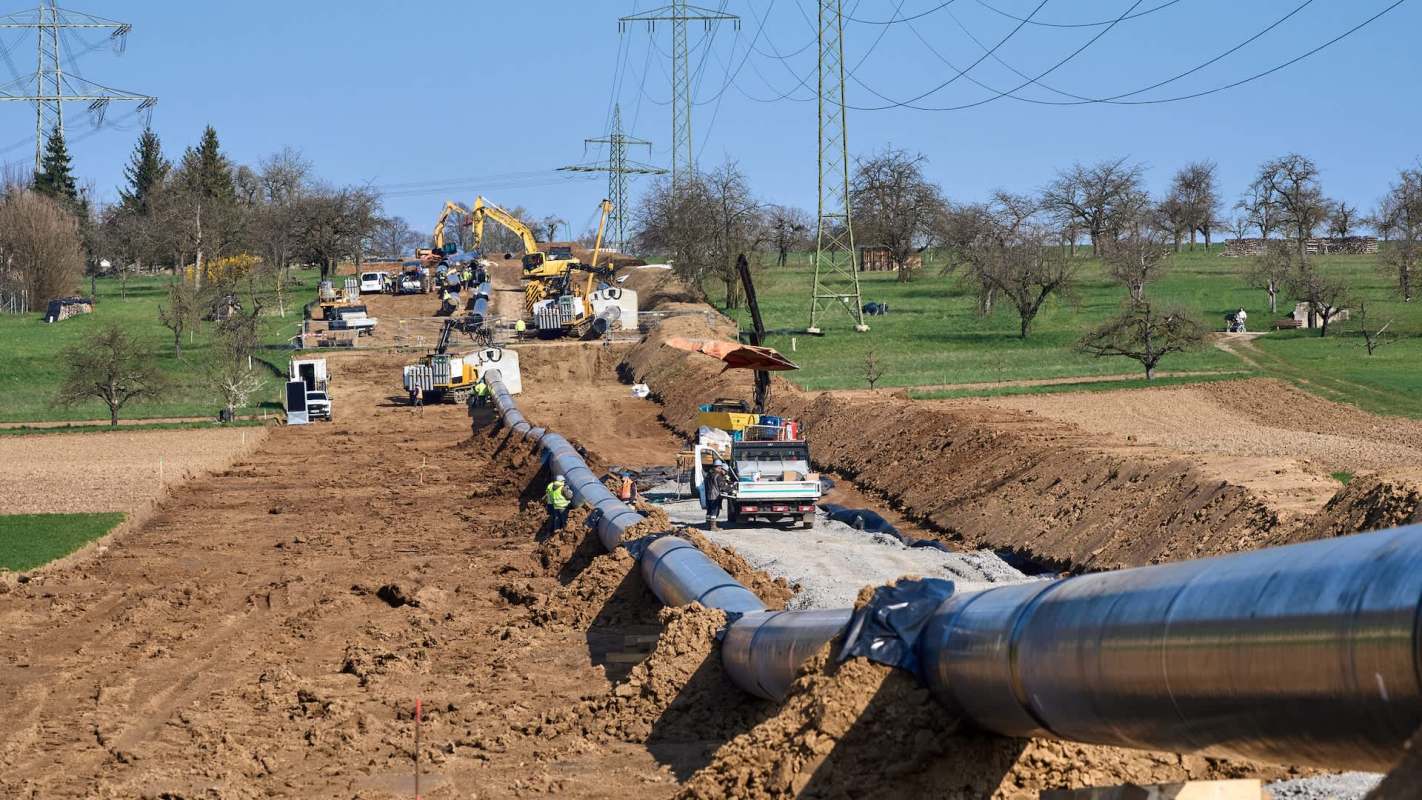
A legal battle unfolding in South Carolina is drawing attention to a question that often surfaces when new gas infrastructure is proposed: How much authority should pipeline companies have before a project is even approved?
A group of landowners is asking the courts to weigh in, filing a proposed class action lawsuit aimed at stopping gas pipeline survey work on private property.
What happened?
According to The State, the dispute centers on whether a developer may send survey crews onto private land before obtaining an easement or some other legal authorization to use that property. The landowners' lawsuit seeks to stop those surveys from happening first.
Survey access is often one of the earliest steps in mapping out a pipeline route, and for landowners who oppose a project, it can be the moment when a private development starts affecting their homes, farms, timberland, or family property.
If the case moves forward, it could raise the stakes far beyond a single property or county. The case may test how broadly landowners can challenge survey access tied to large energy projects.
The lawsuit reflects a broader pattern playing out across the country, as communities increasingly push back against pipelines, compressor stations, and other oil, gas, and coal developments that can reshape neighborhoods long before construction begins.
TCD Picks » Quince Spotlight
💡These best-sellers from Quince deliver affordable, sustainable luxury for all




Why does it matter?
For landowners, surveying can signal the start of years of legal uncertainty, negotiations, and fears about how a pipeline could affect property values, land use, safety, and future development.
Coal and natural gas power plants contribute to air and water pollution linked to asthma, heart disease, cancer, and premature death. Meanwhile, households that remain tied to these fuel sources can face higher energy costs than they would with increasingly abundant, lower-cost power from sunlight and wind.
Industry lobbying has also helped delay cleaner, cheaper energy solutions that could better protect families and reduce utility bills.
Supporters often describe pipelines as necessary energy investments, but critics argue they can lock communities into decades of pollution and higher costs just as cleaner technologies become more widely accessible.
Similar tensions have played out in communities resisting gas and coal expansion, alongside the growing momentum behind cleaner energy options that can reduce both pollution and monthly expenses.
What's being done?
The most immediate action is the lawsuit itself. The landowners are seeking a broader legal safeguard for people who do not want survey crews entering their property as part of a pipeline proposal.
Cases like this can also push lawmakers, regulators, and courts to clarify where private property rights begin and end during the early stages of infrastructure development. Even before a final ruling is issued, legal challenges can slow projects, bring greater public scrutiny, and give affected residents more time to respond.
On a larger scale, expanding clean energy can reduce pressure for new gas and coal projects in the first place. More solar, wind, battery storage, and home-efficiency upgrades can help meet energy demand without creating the same pollution and land-use conflicts associated with pipelines.
At its core, the dispute centers on how decisions about energy infrastructure affect health, costs, and control over the places people call home.

Get TCD's free newsletters for easy tips, smart advice, and a chance to earn $5,000 toward home upgrades. To see more stories like this one, change your Google preferences here.






