


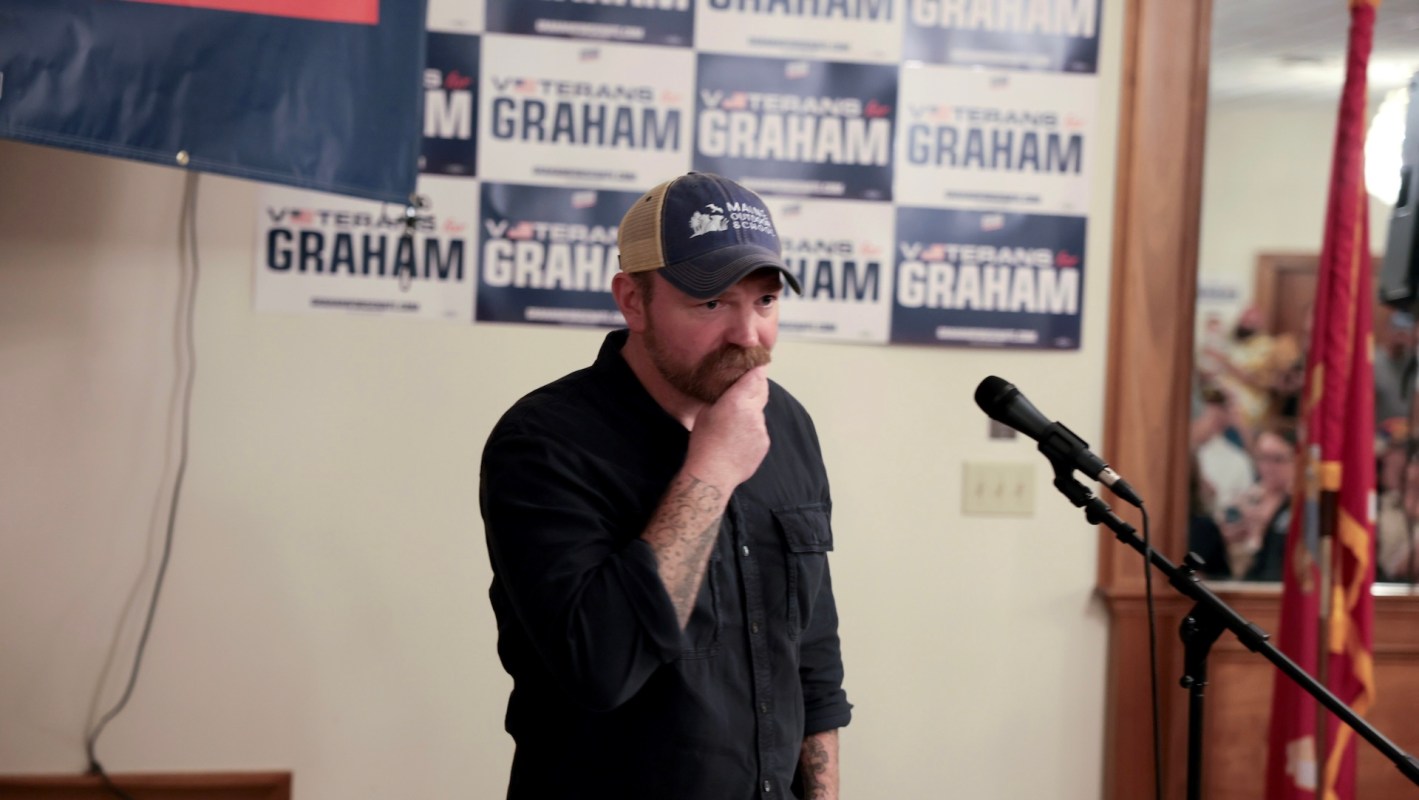
A Maine candidate who has championed a major national expansion of wind and solar is facing scrutiny after supporting a temporary freeze on larger solar projects in his hometown of Sullivan.
What happened?
According to reporting from Inside Climate News, Graham Platner, who recently unveiled an energy plan calling for clean energy permitting reform, voted in 2024 as a Sullivan Planning Board member to advance a short-term halt on larger solar projects while the town works out lasting permitting rules.
The proposed pause was to apply to solar projects other than rooftop residential systems. Platner said the vote was intended to address residents' frustration that there had not been enough local input.
He told the outlet that some residents felt projects had "sprung up out of nowhere" and said the idea was to give the town time to create ordinances and hold a more thorough public discussion. Alabama also recently proposed similar legislation.
The vote came amid a broader wave of pushback in Maine. At least a dozen towns adopted similar measures as solar development picked up speed. ICN, citing data from the U.S. Energy Information Administration, reported that from 2020 to 2024, Maine's community-scale and utility-scale solar capacity jumped by almost 13 times to 1,640 megawatts — enough for about 8,000 acres under a common land-use estimate.
That growth has helped Maine generate more electricity locally without planet-warming pollution. At the same time, it has raised concerns about land use and electric rates. As ICN reported, Maine's "home-rule" system gives municipalities broad authority over land use, including energy development.
TCD Picks » Quince Spotlight
💡These best-sellers from Quince deliver affordable, sustainable luxury for all




Renewable energy advocates said a short pause can be reasonable if it gives towns time to write clear, predictable rules. But they also cautioned that temporary moratoria should not turn into a backdoor ban on solar.
Why is a local solar freeze concerning?
Clean energy projects — along with the transmission lines that help support them — are needed to cut pollution and reduce reliance on costly non-renewable energy sources like gas, oil, and coal.
Over time, they can also help lower electricity costs by expanding access to locally generated power. When towns respond to rapid growth with moratoria or highly restrictive rules, it can slow the transition families are counting on for cleaner air and more affordable energy.
That does not mean local concerns should be brushed aside. In fact, they are central to the conversation. Residents worry about protecting farmland, avoiding poorly sited development, and making sure they are not excluded from decisions that reshape their communities.
Maine's solar buildout still uses only a tiny fraction of the state's total land area, and some projects can even be combined with agricultural uses.
If towns keep hitting the brakes, expanding the cleaner grid needed to reduce harmful pollution and protect people from worsening climate impacts could become much harder.
What's the latest?
State and local leaders are already trying to find that middle ground.
As ICN reported, in 2023, Maine added extra permitting requirements and fees for solar projects on especially fertile agricultural land. The state also changed its net energy billing rules last year, making them less generous and leaving only the smallest community solar projects included.
Maine's Department of Energy Resources also put out a handbook and model ordinance to help towns regulate solar arrays and attached battery storage systems more consistently.
Platner has argued that local input and faster permitting do not have to be in conflict. He told ICN that many delays stem from other barriers, including environmental review and grid interconnection, and said stronger community engagement often results in smarter siting decisions.
For residents, that can mean showing up at local hearings, pushing for transparent siting standards, and backing projects that protect sensitive land while still expanding clean power.

Get TCD's free newsletters for easy tips, smart advice, and a chance to earn $5,000 toward home upgrades. To see more stories like this one, change your Google preferences here.






