


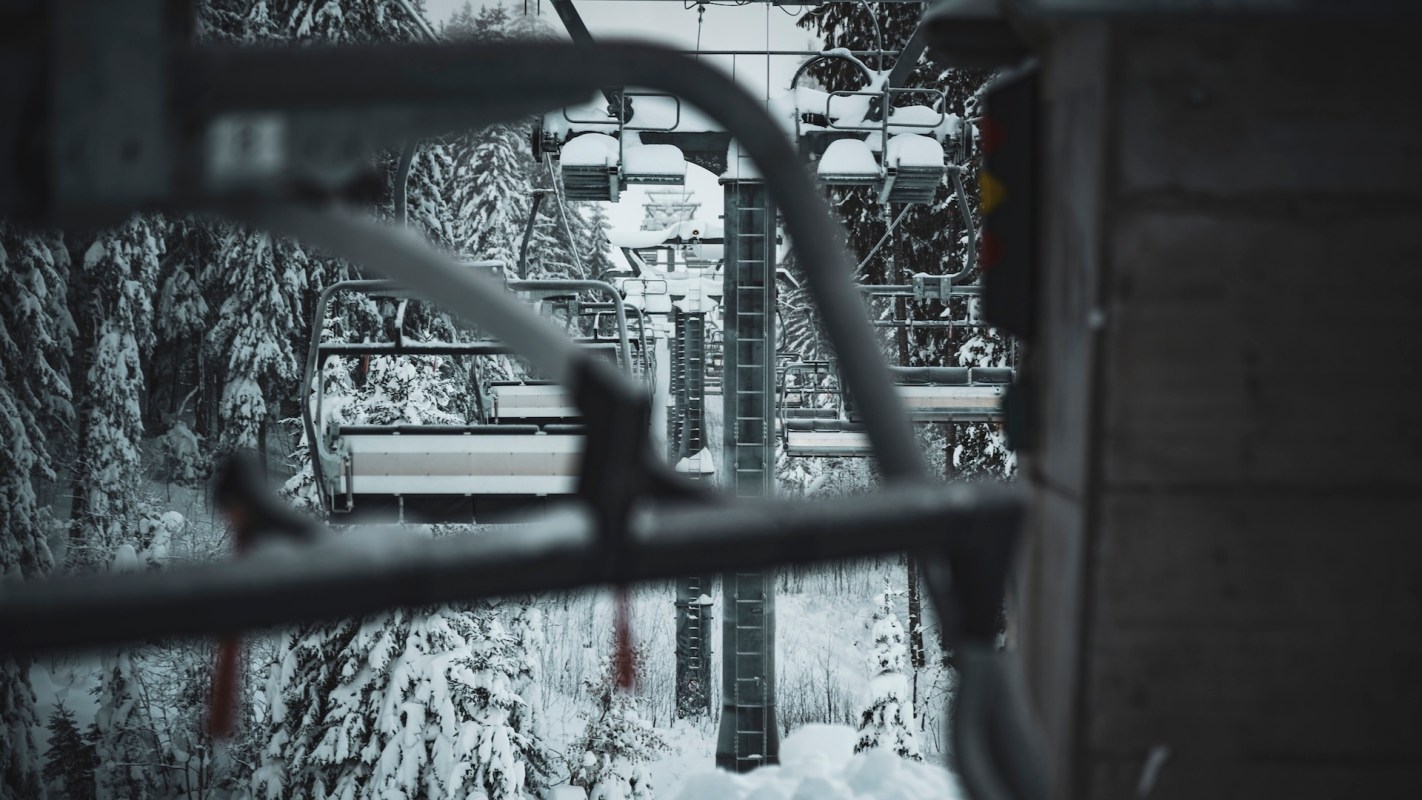
While the 2025 ski season got off to a good start in Switzerland, the future isn't clear. According to Swiss Info, the Swiss Alps have seen less snow and more rain. Since 1864, the temperatures have risen 2.4 degrees Celsius.
What's happening?
Based on the Institute for Snow and Avalanche Research (SLF) analysis, some parts of the mountain at high altitudes have seen a decrease in snow by 8 cm every decade over the last 60 years.
Experts from the SLF also estimate that winters in Switzerland will start 10 to 20 days later and end 10 to 15 days earlier by 2050. Additionally, if temperatures increase above the 3 degree Celsius threshold, the Swiss Alps' snowfall could decrease by 25%, while rainfall will double.
Why is less snowfall concerning?
Ski resorts in the Swiss Alps and all over the world are major contributors to their countries' economies. In the U.S., several ski resorts had delayed starts to the 2025-2026 season. For example, Beaver Creek Resort had to delay its opening when it received only 30 inches of snow, as it typically sees 323 inches every year.
Other U.S. ski resorts had to delay their openings over Thanksgiving — including Utah's Park City Mountain, California's Lake Tahoe, and Colorado's Steamboat Springs.
It can be a major blow to the economy in these cities when the ski resorts can't operate as normal. Many also use artificial snow machines to supplement the lack of snowfall, though the equipment used for its production requires a lot of water and energy.
Rising temperatures are causing these changes in these areas and prompting more extreme weather events — such as storms, heat waves, and droughts — in other parts of the world.
What's being done about ski resorts?
A major project in Switzerland may have an idea for combating the unpredictability of snow. The 'Snow Compass' was created by the Swiss Tourism office in collaboration with the Swiss Cable Car Association, the Association of Swiss Tourism Managers, the Institute for Snow and Avalanche Research (SLF), the Federal Office of Meteorology and Climatology (MeteoSwiss), and the federal institute of technology ETH Zurich, per Swiss Info.
The scientific model can let ski resorts know how many snow days they will have that season. The Snow Compass also identifies three solutions the resorts can use, and they have already been in motion. One is for higher altitude sites that are investing in infrastructure and improved slope management.
A second strategy is shifting focus to alternatives, such as festivals, wellness centers, snow tubing, and activities that don't rely on snow. This allows resorts to make up for years with less snowfall.
TCD Picks » Quince Spotlight
💡These best-sellers from Quince deliver affordable, sustainable luxury for all




|
Do you think America does a good job of protecting its natural beauty? Click your choice to see results and speak your mind. |
 Definitely 👍
 Lastly, resorts can have year-round tourism to offset the unpredictability of snow.
"Winter tourism is not disappearing, it is changing," said Swiss Cable Car Association Director Berno Stoffel.
Researchers and industry professionals are still exploring solutions to this issue to ensure the future of ski resorts.

Get TCD's free newsletters for easy tips to save more, waste less, and make smarter choices — and earn up to $5,000 toward clean upgrades in TCD's exclusive Rewards Club.
Cool Picks





