


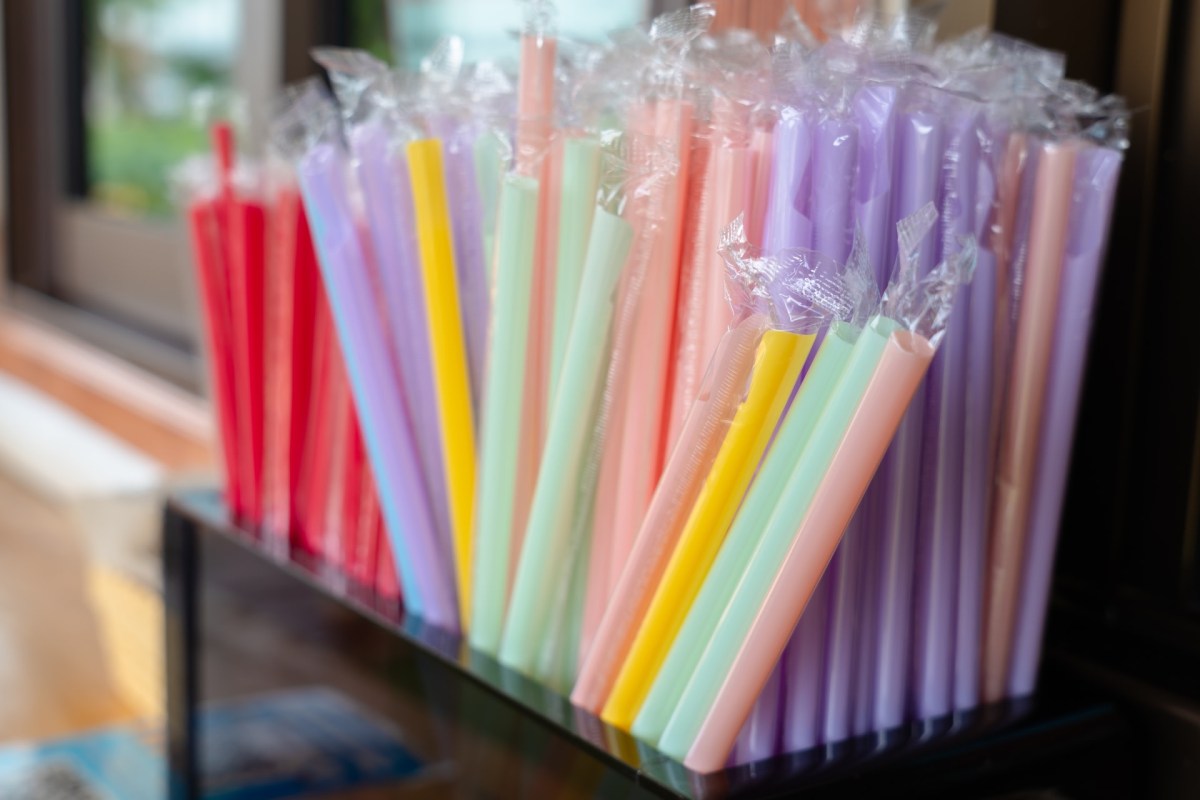
The battle is back on in Florida to ban single-use plastic straws and bags. According to Orlando Weekly, Sen. Kevin Rader of Delray Beach has put forth a bill that would prohibit the use of these items.
Previously, the Florida legislature tried to stop bans on single-use plastic straws and bags, but it was unsuccessful due to Gov. Ron DeSantis's veto. Some places in Florida have even enacted their own bans, including Miami Beach, Fort Myers Beach, and Sanibel.
At the time, DeSantis said in a veto message: "These measures have not, as far as I can tell, frustrated any state policy or harmed the state's interests."
He added, "In fact, the Florida Department of Environmental Protection has encouraged Florida residents, schools and businesses to reduce plastic straw use."
The new bill will recommend that straws be made from non-plastic material, such as bamboo, wood, pasta, sugarcane, or paper.
The Florida Restaurant & Lodging Association has even urged restaurant owners to only provide plastic straws when requested.
Some businesses find the different regulations confusing when they have more than one location, so a standardized one would help companies.
Many other states and cities across the country have already issued single-use plastic bag bans, including Vermont; Philadelphia; New Jersey; Santa Barbara, California; and Portland, Oregon.
The U.S. Public Interest Research Group Education Fund has discovered that people can easily live without single-use bags and bring reusable ones from home.
A study, conducted in collaboration with Environment America Research & Policy Center, U.S. Public Interest Research Group Education Fund, Environment America, and Frontier Group, found that as many as 300 single-use bags can be eliminated per person per year. New Jersey's 2022 ban has eliminated 5.5 billion.
TCD Picks » Quince Spotlight
💡These best-sellers from Quince deliver affordable, sustainable luxury for all




|
Should states be allowed to ban plastic items from businesses? Click your choice to see results and speak your mind. |
 Definitely 👍
 Cutting down on this many single-use plastic bags can go a long way in cutting down on plastic pollution. Plastic doesn't really break down — it just breaks down into microplastics, which have filled the oceans and are also in the food that we eat.
While scientists haven't determined the health effects on humans yet, early indications are it is problematic. What's more, plastic pollution is already harming marine life.
Whether or not your city has a plastic ban, you can still use less plastic, including using a reusable water bottle and grocery bag, all of which will help reduce plastic pollution.

Join our free newsletter for good news and useful tips, and don't miss this cool list of easy ways to help yourself while helping the planet.
Cool Picks





